









By Fran Ulom
CALABAR (CONVERSEER) – Three more persons have been confirmed dead following renewed clashes in farm settlements around Camps Two and Four located between Akpabuyo and Akamkpa Local Government Areas of Cross River State.
According to Daily Post, the latest violence, which occurred on Tuesday, reportedly stemmed from reprisal attacks linked to disagreements over rate collections and land ownership within the settlements.
Camp Two borders Akpabuyo, while Camp Four shares boundaries with Akamkpa — both lying close to the Mtamosing community, home to a major cement plant and known for its limestone deposits and farming activities.
Residents Flee as Fear Spreads
Eyewitnesses said residents have begun fleeing the affected areas as assailants continue to move from house to house in search of suspected rivals.
A 62-year-old resident, Etebom Effiong, who escaped the attacks, said the conflict escalated after disagreements over imposed levies by groups dominating the settlements.
“Yesterday, two people died from reprisal attacks, and another was also killed. There’s been tension and fear for life. People are fleeing because gangs of assailants are rampaging,” Effiong recounted.
READ ALSO: Mixed reactions trail NASS’ proposal to hold 2026 elections in November
He added that the killings followed earlier incidents three weeks ago when two persons were murdered, prompting the formation of local vigilante groups to track down the perpetrators.
Calls for Security Presence
A local trader, Madam Angelina, who frequents the settlements to buy farm produce, confirmed that violent clashes have been recurring in the area.
“Last year, security personnel took over after similar attacks. We need a permanent security post here,” she said, urging government intervention.
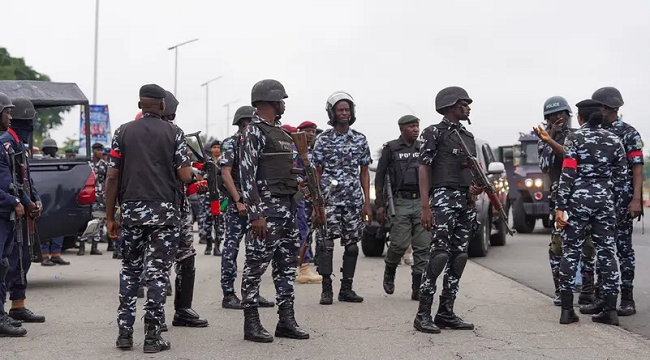
The Deputy Police Public Relations Officer in the state, Igri Ewa, told Daily Post that the command was aware of the situation. “We will investigate the report and revert,” he stated.
The situation has left residents and farmers in fear, raising concerns over safety, food production, and the need for improved security surveillance in the border communities.