








By Emmanuel Ndon
In today’s interconnected economy, presence matters as much as participation. The Ibom Tower in Lagos represents a strategic effort to extend economic relevance beyond state boundaries, positioning Akwa Ibom within one of Nigeria’s busiest commercial environments. More importantly, it reflects a growing focus on ensuring that existing assets are not merely owned but actively contributing to development and opportunity.
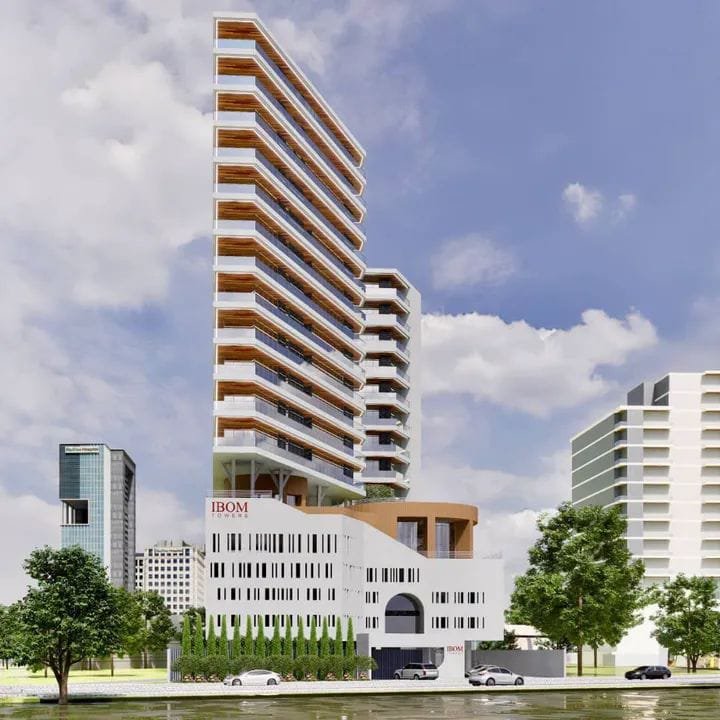
Ibom Tower is a commercial high-rise property located in Lagos, designed to serve as a centre for business activities and corporate engagements. It stands as a physical investment outside the state, created to tap into the energy and opportunities of a fast-moving economic hub. The idea behind it is simple: to create a space where business can thrive and value can be generated consistently.
The importance of the tower is closely tied to its location. Lagos remains a major centre of commerce in Nigeria, attracting businesses, investors and partnerships from across the country and beyond. By maintaining a presence there, Akwa Ibom positions itself to benefit from this continuous flow of economic activity.
Over time, however, assets like Ibom Tower require renewed attention to remain effective. Changes in business environments, evolving market demands and management challenges can affect performance. This makes periodic reassessment necessary to ensure continued relevance and productivity.
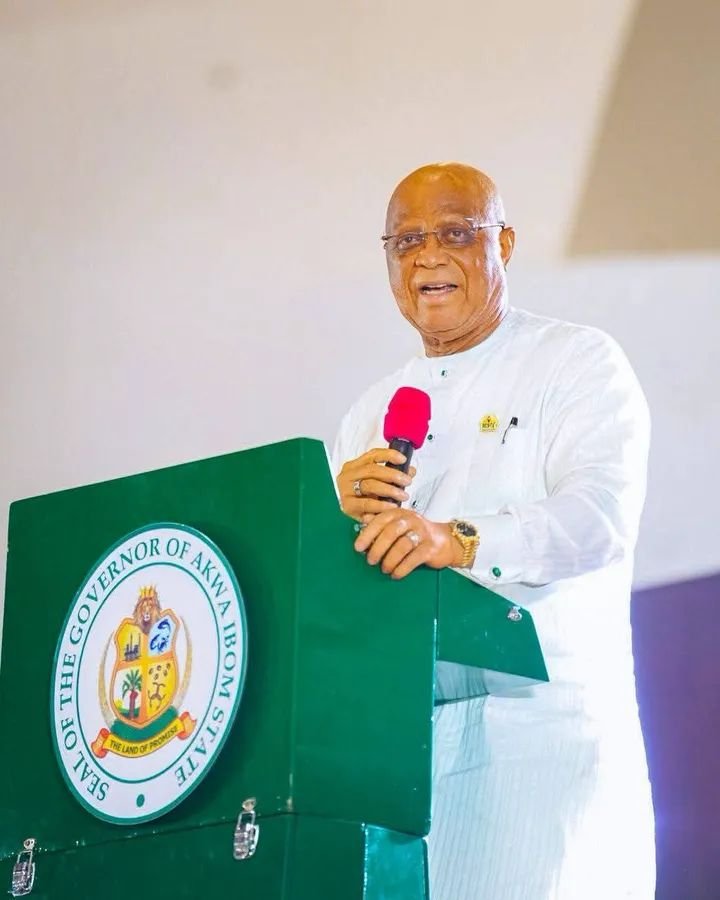
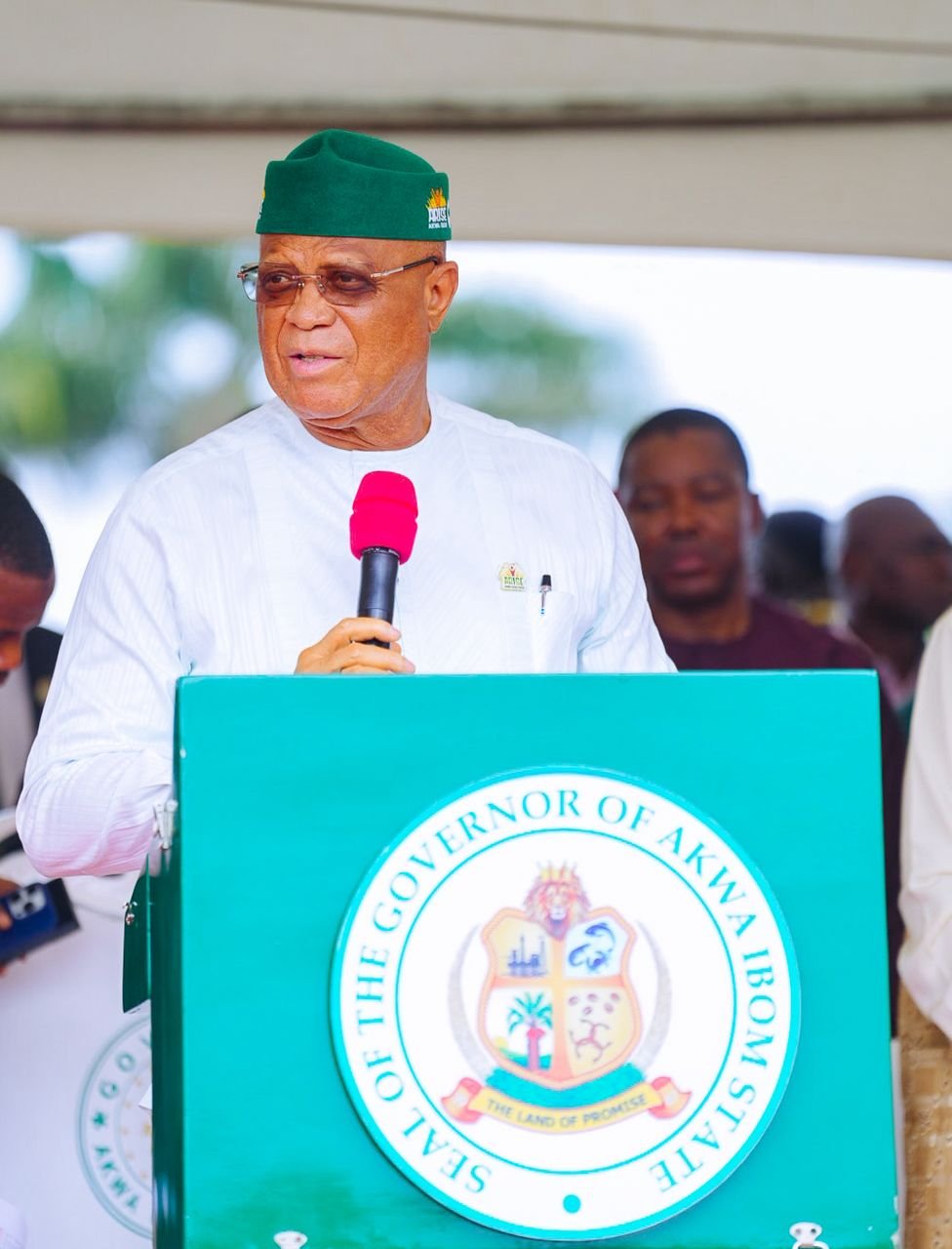
Recent attention to Ibom Tower under the leadership of Governor Umo Eno reflects a shift toward improving its functionality and overall impact. Rather than allowing the property to remain underutilised, efforts are being made to ensure that it serves its intended purpose more effectively. This includes efforts to strengthen management, improve occupancy and enhance maintenance standards.
This approach reflects a clear understanding that value comes from use, not just ownership. A building that hosts businesses, supports operations and attracts partnerships becomes far more impactful than one that remains idle. This thinking is shaping the renewed focus on the tower.
Part of this effort involves making the property more attractive to potential occupants. Businesses are more likely to operate in spaces that are well-managed, properly maintained and strategically positioned. Creating such an environment is expected to help improve occupancy and overall performance.
Another area of focus is revenue generation. Commercial properties of this nature are expected to generate income through rents, leases and related business activities. Strengthening these channels is expected to support long-term financial sustainability.
There is also a need to align the tower with current business realities. As corporate needs evolve, workspaces must adapt to remain relevant and competitive. This ensures that the building continues to meet modern expectations.
When fully optimised, Ibom Tower has the capacity to generate a steady income that can support broader development efforts. Revenue from such assets can be reinvested into other projects, creating a cycle of growth and sustainability.
The tower also strengthens economic presence in Lagos. It serves as a visible and functional representation of Akwa Ibom’s participation in the national economy, with the potential to open pathways for new relationships, partnerships and opportunities.
For businesses, the availability of such a space creates room for collaboration and expansion. Companies operating within the tower can benefit from proximity to other enterprises and services, an environment that often encourages innovation and growth.
Employment opportunities are another potential outcome. From facility management to administrative roles and support services, the operation of the tower requires a workforce, contributing to job creation and livelihoods.
Indigenes living in Lagos may also find value in the tower. It provides a familiar point of connection and a space that reflects their home state within a major city, strengthening identity and community ties.
Beyond immediate benefits, the tower represents an effort toward improved asset utilisation. Rather than remaining underused, it is being positioned to become a productive component of the state’s investment portfolio. This shift from passive ownership to active use reflects a practical approach to development.
In the long term, assets like Ibom Tower can contribute to economic stability. Consistent revenue, business activity and partnerships all play a role in strengthening financial capacity and supporting broader development goals.
Ibom Tower is more than a structure; it is a strategic investment with the potential to deliver lasting value. It reflects an understanding that growth can come not only from new projects but also from improving existing ones.
At its core, the story of Ibom Tower is about unlocking value and creating opportunity. It highlights the importance of thinking beyond boundaries and making effective use of available resources. In doing so, it points toward a future where strategic investments continue to support growth, connection and progress.