
By Frank Ulom
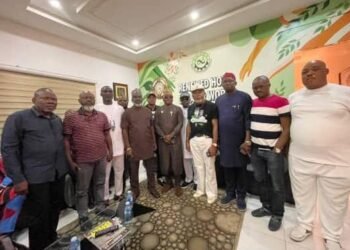
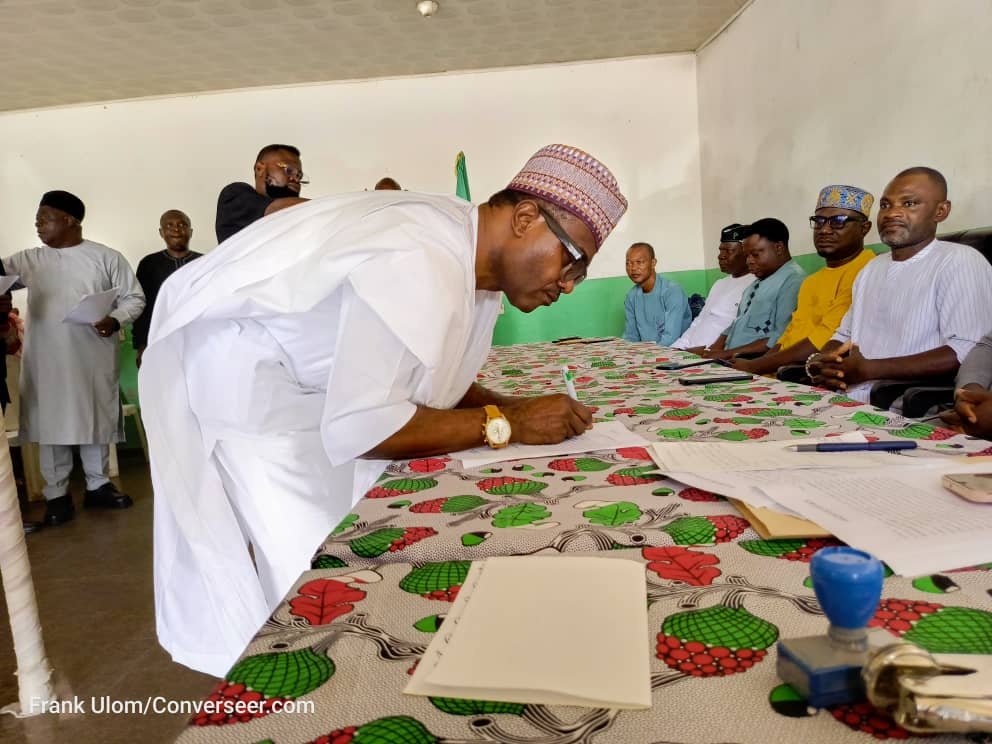
The lawmaker representing Boki/Ikom Federal Constituency, Hon. Victor Abang, has formally declared his intention to seek re-election in the 2027 general elections, pledging continuity, experience, and sustained development under the platform of the All Progressives Congress (APC).
In a detailed declaration address delivered to constituents, on Wednesday, Abang, popularly referred to as “Mature” said his decision was driven by a sense of duty and the need to consolidate gains recorded during his first term in the House of Representatives. He emphasised that his tenure since June 2023 had been guided by what he described as a “social contract” between himself and the people.
“I stand before you today not merely as your representative, but as your servant—one entrusted with your hopes, your voices, and your collective aspirations,” he stated. “With a deep sense of humility and responsibility, I formally declare my intention to seek your mandate for a second term.”
Abang highlighted a range of legislative interventions, noting that his engagements in the National Assembly had been “intentional, people-driven, and impact-oriented.” He listed several bills he sponsored, including proposals for the establishment of a Federal College of Agriculture (Forestry) in Okundi and a Federal College of Education (Technical) in Ikom, both introduced in 2023. Others include a Federal Medical Centre in Boki (2024), the Labour Act Amendment Bill (2025), the National Park Service Amendment Bill (2024), and the Elite Sheriff Corps Establishment Bill (2023).
Beyond legislative proposals, the lawmaker said he had raised motions addressing pressing concerns affecting the constituency, such as Nigeria-Cameroon boundary disputes, elephant invasions in Bamba communities, and infrastructure deficits. He also cited advocacy for the completion of the Ikom Specialist Hospital by the Niger Delta Development Commission (NDDC), dredging of the Calabar River, and progress on the Odukpani–Ikot Ekpene road project.
According to him, these efforts were aimed at securing tangible outcomes rather than fulfilling procedural obligations. “These were not mere legislative exercises, but deliberate efforts aimed at securing tangible outcomes for our constituency,” Abang said.
On constituency development, he outlined interventions across all 22 wards, including projects in water supply, sanitation, rural electrification, telecommunications, healthcare, education, and road infrastructure. He added that farmers had received support in the form of seedlings, agrochemicals, and equipment to boost agricultural productivity, while capacity-building initiatives and food relief programmes were also implemented.
Abang argued that continuity in representation would enhance the constituency’s influence at the national level, noting that legislative effectiveness improves with experience and seniority. He cautioned against replacing first-term lawmakers with new entrants, describing such expectations as unrealistic.
“Anyone who has studied the presidential system of democracy will tell you that the first tenure of a parliamentarian is often a period of learning and foundation-building,” he said. “Sustainable impact is built on continuity, experience, and the strengthening of institutional voice over time.”
The lawmaker, however, acknowledged challenges, particularly fiscal constraints affecting the pace of project implementation. He explained that reduced national revenue impacted the 2025 budget cycle, leading to the extension of some projects into 2026.
“These are not excuses—they are realities we confront with strategy and resilience,” he said, expressing confidence that improved fiscal policies and sustained advocacy would accelerate development efforts.
Abang reaffirmed his commitment to representing the interests of his constituents, promising to intensify efforts to attract more projects and opportunities if re-elected.
He also used the occasion to commend national and state leadership, including Bola Ahmed Tinubu for his development agenda, and Bassey Edet Otu for what he described as transformative governance in Cross River State.
“I return to you—not as a ruler, but as your servant—seeking once again the privilege to serve,” he said.
The declaration marks an early signal of political activity ahead of the 2027 elections, with Abang positioning his candidacy on continuity, legislative experience, and grassroots development.