BERLIN (DPA, CONVERSEER) – The German government has so far mainly used billions in new debt earmarked for investments in infrastructure and climate action to plug holes in the budget, according to an analysis by a leading economic think tank released on Tuesday.
Some €24.3 billion ($27.9 billion) in loans was unlocked last year as part of a special fund to overhaul infrastructure and boost climate efforts, but an overwhelming 95% of the money was not actually used for investments, the Munich-based ifo Institute found.
“We have found that politicians have used almost all of the debt-financed funds for other purposes, namely to plug budget deficits,” ifo President Clemens Fuest said. “That is a major problem.”
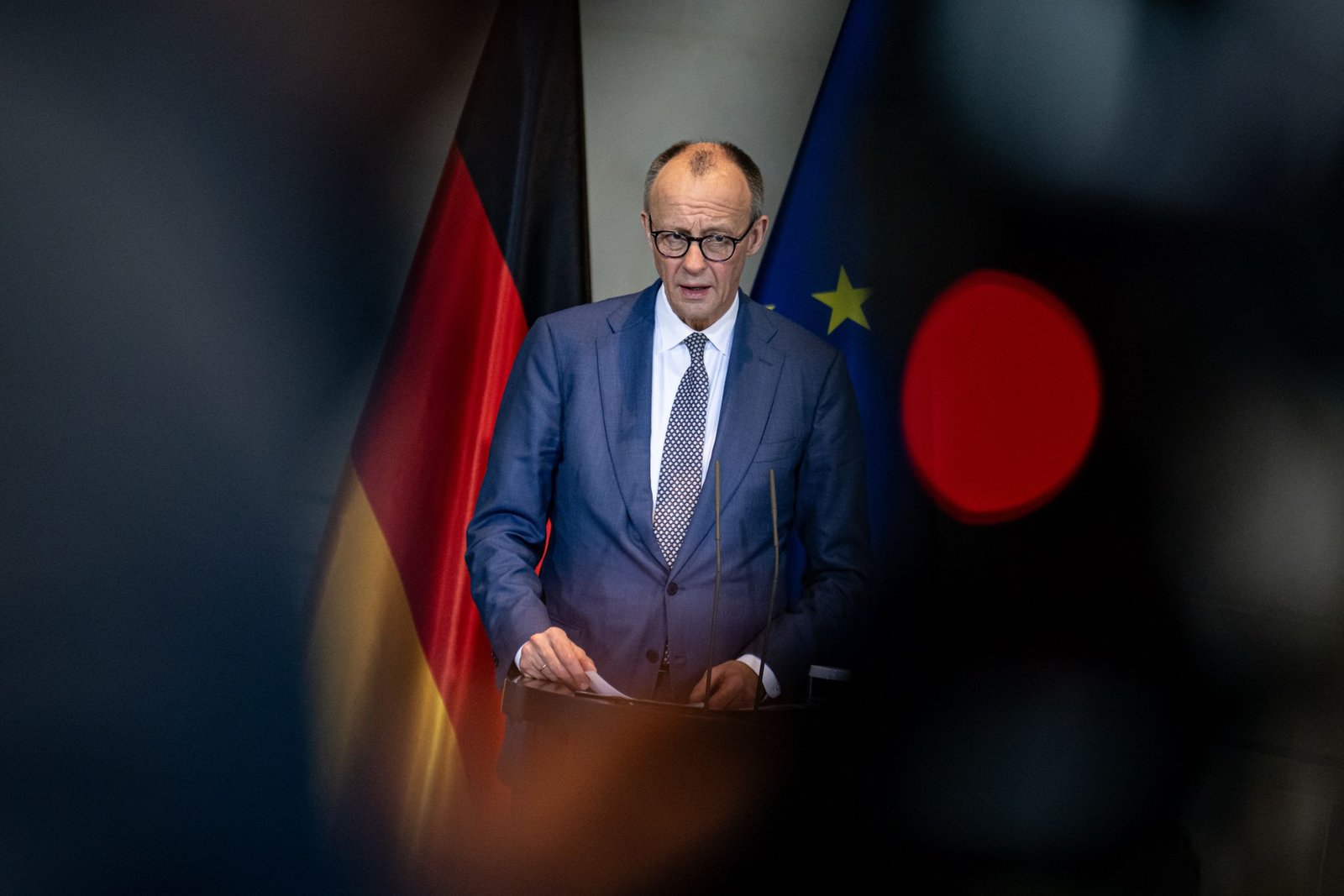
Following elections in February 2025, the conservatives of Chancellor Friedrich Merz and the Social Democrats pushed through plans to loosen Germany’s strict debt rules and unlock hundreds of billions of euros to boost the ailing economy.
The deal created a €500-billion special fund for investments in infrastructure and climate-related measures to be spent over the next decade.
Back in August, Germany’s central bank criticized the government for failing to funnel a significant proportion of the new debt into investment.
READ ALSO: Germany aims to quadruple AI processing capacity by 2030
Ifo researches estimate that German government spending on investment reached €69.9 billion last year, a marginal increase of €1.3 billion on the amount spent in 2024, despite an additional €24.3 billion in debt unlocked via the special fund.
This misallocation stems from the government cutting investment previously covered by the core budget, according to the ifo calculations, which are based on official budget and financial reports.
Study author Emilie Höslinger noted that “individual items” were shifted from the core budget to the debt-funded special fund last year, including transport sector subsidies.