








By John Obi Odu
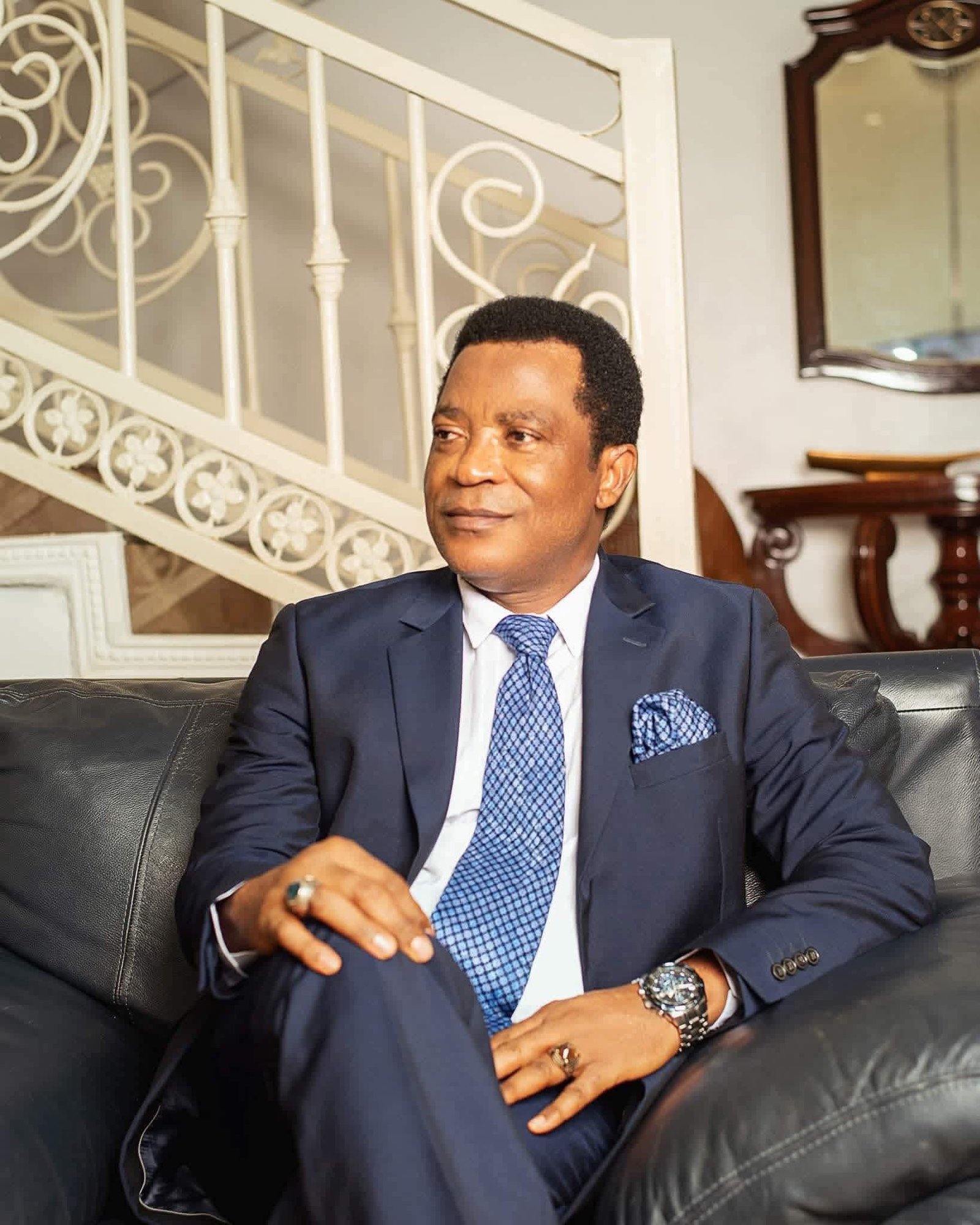
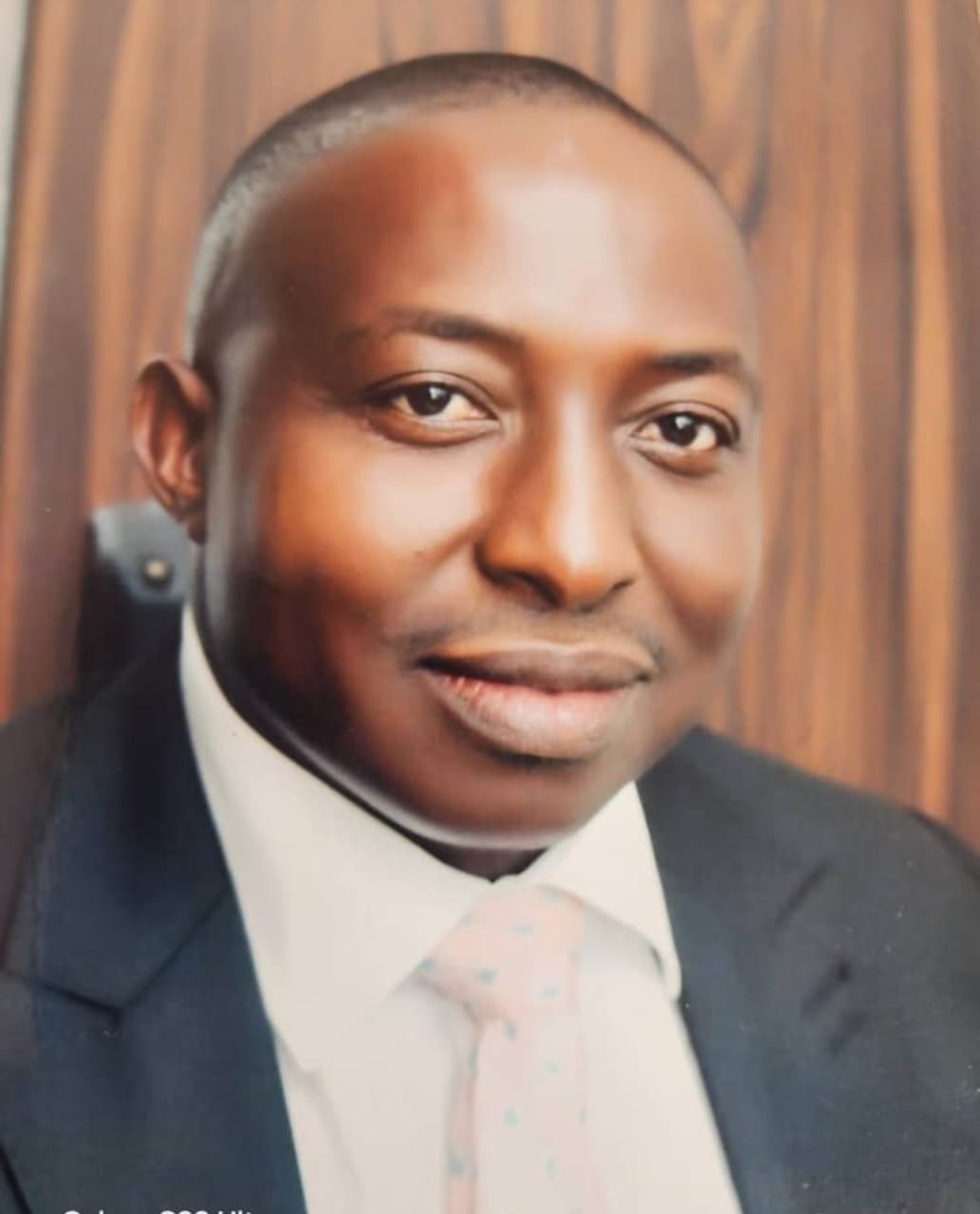
In the unfolding contest over the political future of Ikom/Boki Federal Constituency, one name is steadily gaining traction among stakeholders, opinion leaders, and grassroots actors alike: Mr Alvin Ochang. Against a backdrop of growing dissatisfaction with existing representation and a palpable demand for credible renewal, Ochang’s profile is no longer seen merely as an alternative, but as a serious proposition for transformative leadership.
At a time when constituents are calling for leadership that combines competence with connection, Ochang’s emergence will reflect a broader shift in political expectations. The constituency, long regarded as politically conscious and historically engaged, appears less willing to recycle familiar faces whose tenures have failed to produce meaningful impact. Instead, there is a clear appetite for a candidate whose experience, disposition, and vision align with contemporary governance demands.
Ochang’s background in banking and enterprise is widely viewed as one of his strongest assets. In an era where legislative effectiveness increasingly intersects with economic literacy, fiscal discipline, and strategic planning, his private sector experience offers a distinct advantage. Analysts argue that such exposure equips him with the capacity to engage more meaningfully in policy debates, attract development opportunities, and advocate for sustainable economic initiatives that directly benefit the constituency.
Yet, beyond professional credentials, it is Ochang’s philanthropic footprint that resonates most deeply within Ikom/Boki. Known for consistent, if largely understated, interventions in community development, educational support, and individual empowerment, he has cultivated a reputation as a benefactor who acts without excessive political spectacle. For many constituents, this reinforces a perception of authenticity, a leader motivated less by optics and more by tangible impact.
Community leaders point to his track record in human capital development as particularly significant. In a region where youth unemployment and limited access to opportunity remain pressing concerns, Ochang’s emphasis on empowerment initiatives speaks directly to the constituency’s most urgent needs. His interventions, spanning skills development, enterprise support, and mentorship, suggest a policy orientation anchored in long-term capacity building rather than short-term political gain.
Crucially, Ochang’s political trajectory is also shaped by a defining moment in the 2023 general elections, when he contested for the same federal seat under the Labour Party. Many of his supporters maintain that the outcome of that election did not reflect the true will of the people, alleging that the process was compromised.
Yet, in the face of provocation and mounting pressure, Ochang made a deliberate and principled choice: he refused to deploy violence or sponsor thuggery to defend his mandate.
Instead, he adopted a position reminiscent of former Nigerian President Goodluck Jonathan, affirming that no political ambition is worth the shedding of innocent blood. This stance, though it may have cost him immediate victory, has since elevated his moral standing among constituents who are weary of electoral violence and the normalisation of desperation in politics.
Observers argue that this decision speaks volumes about his temperament and leadership philosophy. “It is easy to win power at all costs,” a local analyst noted, “but far more difficult to restrain oneself when the stakes are high. That restraint is what defines statesmanship.”
His relatively fresh political footprint is also being interpreted as a strategic advantage. In a field populated by seasoned politicians with mixed legacies, Ochang’s perceived independence from entrenched political baggage positions him as a unifying figure, capable of bridging divides and attracting a broader coalition of support. This neutrality, analysts suggest, could prove decisive in a constituency often shaped by factional alignments.
As political realignments gradually take shape ahead of the 2027 general elections, the central question confronting both party leadership and the electorate is whether to persist with familiar trajectories or embrace a recalibrated path anchored in competence, credibility, and principled leadership.
For many in Ikom/Boki, the answer is becoming increasingly clear. The growing momentum around Alvin Ochang reflects not just a candidacy, but a statement: that the future of the constituency must be built on integrity, capacity, and a genuine commitment to the people.
If the prevailing mood is any indication, the call for renewal is no longer abstract. It is taking form, finding voice, and coalescing around a figure whose blend of experience, philanthropy, and principled restraint may well define the next chapter of representation in Ikom/Boki.