By Kingsley Agim
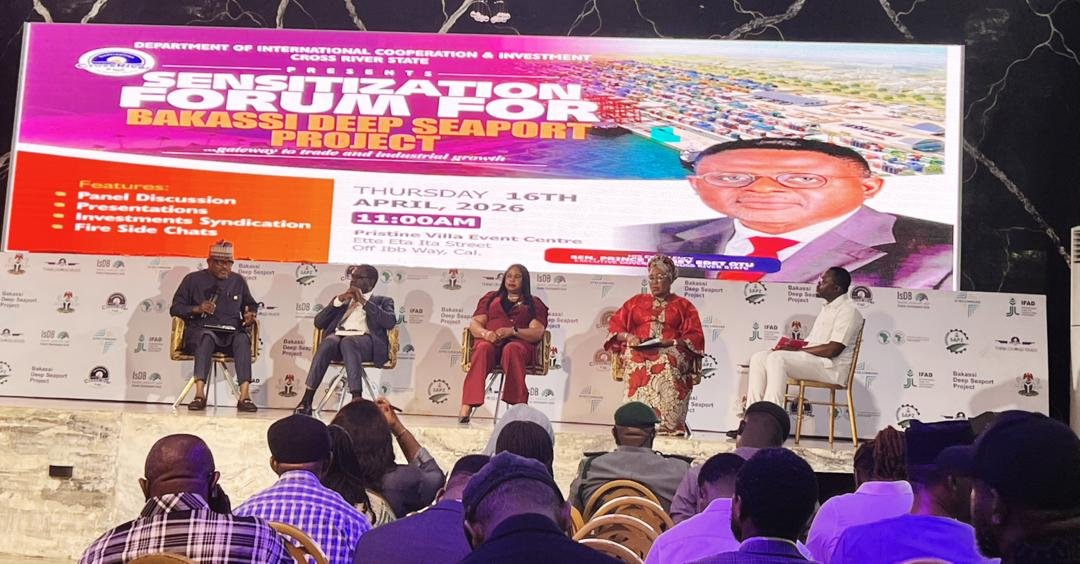
Cross River State has intensified efforts to unlock a maritime-driven economic boom, as the government on Thursday in Calabar convened a high-level sensitisation forum to galvanise stakeholder support for the Bakassi Deep Seaport project, a flagship initiative aimed at repositioning the state as a major hub in Nigeria and the West African sub-region.
Speaking at the forum, the Special Adviser to the Governor on International Donor and Investment, Reverend Victor Edet, said the engagement was designed to review progress, align expectations, and chart a clear path forward for the project. He noted that the forum would feature robust, interactive sessions to allow stakeholders to freely contribute ideas that would strengthen implementation.
Edet explained that the state’s development drive is anchored on a “transitional transformation” philosophy aimed at delivering sustainable impact, supported by the proposed Vision 2050 framework, which seeks to drive long-term prosperity and improve the quality of life for citizens.
He stressed that the project is timely, given that over 80 per cent of global trade is conducted via maritime routes, adding that evolving geopolitical dynamics demand that Cross River strategically positions itself to take advantage of emerging global opportunities.
Providing further insight, Edet said the Bakassi Deep Seaport, with an estimated depth of 18 meters, will accommodate large vessels directly, eliminate the need for transhipment, and enhance trade linkages with neighbouring countries such as Cameroon, Chad, and Niger, while reducing pressure on existing ports.
He added that the project will be supported by a 275-kilometre evacuation corridor, incorporating road and rail infrastructure to ensure seamless movement of goods, and will also leverage opportunities under the African Continental Free Trade Area to attract foreign direct investment and boost regional trade.
Chairman of the Cross River Internal Revenue Service, Dr Edwin Okon, expressed confidence that the project would materialise within the next five years, citing the approval granted by the Federal Executive Council and increasing interest from foreign investors.
Okon said the state government is prepared to grant tax waivers and provide business support to investors, projecting that the seaport could generate up to ₦40 billion monthly in its early years, driven by both direct and indirect economic activities.
In his remarks, President of the Calabar Chamber of Commerce, Industry, Mines and Agriculture (CALCCIMA), Dr Kelly Ayamba, described the project as ambitious and transformative, capable of redefining the state’s economic trajectory. He disclosed that the seaport project will be presented at an upcoming international trade fair in China as part of efforts to attract investors and secure global partnerships for its realisation.
Also speaking, the Special Adviser to the Governor on General Duties, Chief Ekpenyong Akiba, described the seaport as a “signature project” with the potential to trigger an economic revolution across sectors, including trade, agriculture, logistics, and employment.
Offering an economic perspective, financial analyst and University of Calabar lecturer, Dr Joseph Nkiri, highlighted disruptions in global shipping routes, noting that Nigeria stands to benefit significantly if it positions itself strategically. He urged stakeholders to rally support for the project to maximise its economic potential.
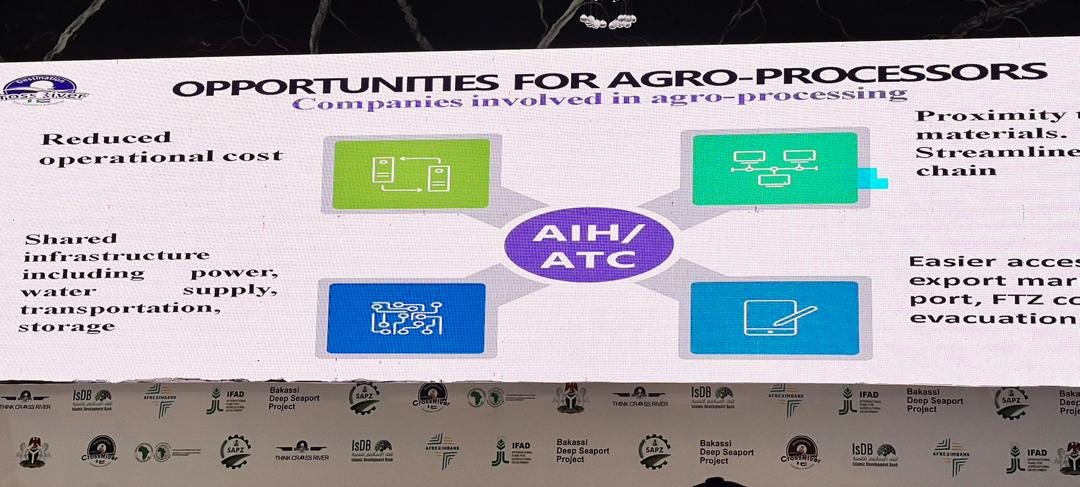
On sector-specific opportunities, development expert Dr Bethel Ewung emphasised that the seaport would boost agro-processing, encourage value addition, and increase farmers’ incomes, while Bishop Usen Umo of the Manufacturers Association of Nigeria described it as a game-changer that would accelerate industrialisation and attract significant investments into the state.
Panellists, including Dr Francis Ntamu, Senior Special Adviser to the Governor on Public-Private Partnership, Dr Abigail Orok, Commissioner for Commerce, Dr Kelly Ayamba of CALCCIMA, and Dr Anie Iton, Chief Executive Officer of Brightflow Logistics, further engaged stakeholders on the project’s viability, implementation strategy, and investment opportunities, stressing the need for sustained collaboration and policy support to bring the Bakassi Deep Seaport to fruition.