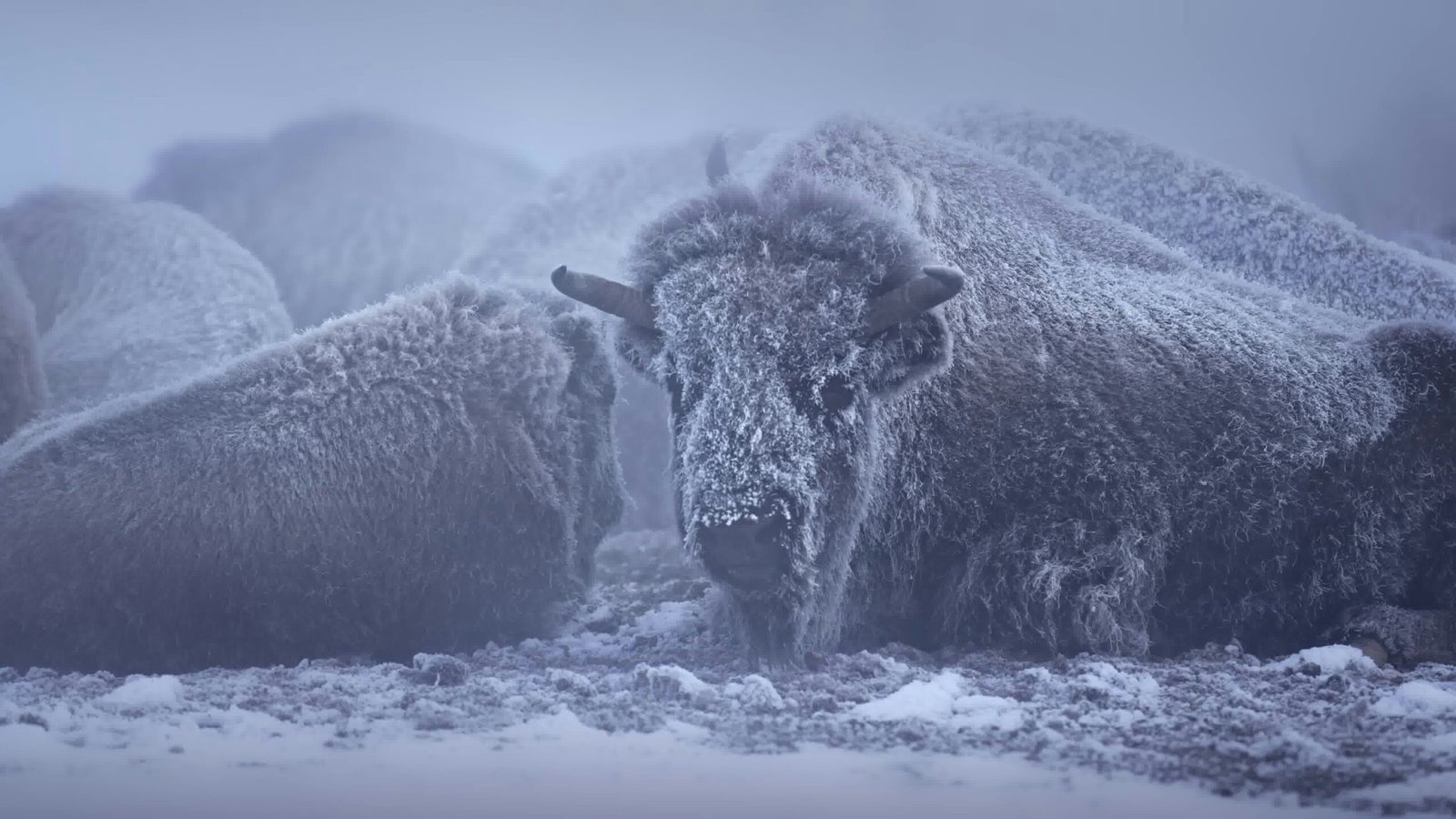
Introduction to Winter Woes
Winter presents a unique set of challenges, particularly in regions where temperatures drop significantly. As the days become shorter and the chill in the air intensifies, the need for warmth becomes paramount. Low temperatures can lead to discomfort and may pose health risks such as hypothermia and frostbite if adequate precautions are not taken. Therefore, understanding the importance of staying warm during winter is crucial for both physical and mental health.
Cold weather can affect our bodies in multiple ways, including the tightening of blood vessels, which can lead to increased blood pressure and a higher risk of cardiovascular issues. Additionally, prolonged exposure to cold can exacerbate existing health problems such as arthritis. The harshness of winter can also take a toll on mental well-being, as it is a time when many individuals experience seasonal affective disorder (SAD), stemming from reduced sunlight and colder temperatures. This condition can result in feelings of sadness, lethargy, and a lack of motivation.
While winter may bring about beautiful snowy landscapes and festive atmospheres, it is essential to acknowledge the accompanying challenges. Staying warm during this season is not merely about comfort; it is integral to maintaining one’s overall health. Neglecting this can lead to adverse effects on both the body and the mind. Hence, it is vital to be equipped with effective strategies and tips to combat the cold. The subsequent sections will delve into practical measures that can help individuals adapt to winter’s woes, ensuring that warmth and comfort prevail despite the frigid conditions.
Layering Your Clothing: The Key to Warmth
As the winter season approaches, understanding the concept of layering your clothing becomes essential for retaining body heat effectively. Layering is a strategic way to manage warmth and comfort during cold weather. The approach involves wearing multiple layers of clothing, which work together to trap heat while allowing moisture to escape.
The first layer, known as the base layer, is crucial for moisture management. This layer should be made from breathable and moisture-wicking materials such as merino wool, polyester, or synthetic blends. These fabrics serve to draw sweat away from your skin, keeping you dry and warm even during physical activities. Opting for a snug fit will enhance the effectiveness of this layer, as it reduces the amount of cold air that can penetrate.
The next layer, or insulating layer, is designed to trap warmth. This layer can include materials such as fleece, down, or wool. Each of these fabrics provides excellent thermal options, helping to maintain body heat even in frigid temperatures. A thicker insulating layer may be necessary for extremely cold conditions, but ensure that it still allows for movement and flexibility to prevent discomfort.
Finally, the outer layer serves as a protective barrier against the elements. This layer should be windproof and waterproof or water-resistant, depending on the weather forecast. Look for jackets made of materials like Gore-Tex or nylon, which provide both durability and breathability. Properly shielding yourself from wind, snow, and rain is essential to maximise the insulating effect of the layers beneath.
Incorporating this layering strategy helps individuals maintain warmth and comfort throughout the winter months while ensuring they are prepared for sudden changes in temperature or weather conditions. Investing in quality materials for each layer not only enhances warmth but also contributes to a more enjoyable winter experience.
The Importance of Insulating Your Home
Proper insulation is crucial in maintaining a warm and comfortable living environment during the chilly winter months. By effectively insulating your home, you can significantly reduce heating costs while creating a cozy atmosphere that retains warmth. This not only contributes to your comfort but also has a positive impact on energy efficiency and overall environmental sustainability.
One of the most straightforward methods to enhance insulation is by weatherproofing windows and doors. Gaps and drafts can cause heat to escape, leading to cold spots in your home. Utilising weatherstripping or caulking can effectively seal these openings, preventing cold air from entering and warm air from escaping. Additionally, storm windows or thermal window film can be applied to improve insulation levels further, reducing heat loss.
Another effective strategy is the use of heavy curtains. Thick, insulated drapes can act as an additional barrier against the cold, trapping heat inside your home. Keeping curtains closed during the night can minimise heat loss, while opening them during the day can allow natural sunlight to warm your living spaces. This simple adjustment can make a substantial difference in maintaining indoor temperatures.
Moreover, incorporating area rugs into your home not only adds aesthetic appeal but also contributes to better insulation. Rugs help to trap heat, especially on cold floors, providing an additional layer of warmth that can enhance your comfort. By placing rugs in high-traffic areas or rooms where you spend considerable time, you will create a warmer environment that encourages relaxation during the winter season.
Incorporating these insulation methods into your winter preparation routine can significantly improve your home’s ability to retain heat. By implementing weatherproofing solutions, utilising heavy curtains, and adding rugs, you will foster a warm and inviting atmosphere for your household throughout the colder months.
The Power of Warm Beverages
As temperatures drop, the importance of staying warm becomes increasingly significant. One effective strategy to maintain body heat during winter is to incorporate warm beverages into your daily routine. Hot drinks not only provide comfort but also contribute to an overall sense of well-being. They serve as a delightful way to warm up from the inside out, thereby enhancing your body’s core temperature.
Warm beverages such as hot tea, coffee, and homemade herbal infusions have numerous health benefits that extend beyond just warming the body. For instance, herbal teas such as chamomile and peppermint not only help in promoting hydration but can also aid in digestion and relaxation, reducing the stress often associated with cold weather. The act of sipping a hot drink can induce a sense of tranquility, which is especially valuable during the often hectic winter months.
Coffee, a popular winter beverage, can offer a comforting ritual alongside its stimulating effects. Rich in antioxidants, fresh brews can help improve focus and energy levels, providing an essential boost during those dreary, cold days. As an alternative, those seeking a caffeine-free option might consider warm almond milk or spiced cider, both of which are delightful ways to enjoy winter flavors while providing warmth.
The comforting qualities of these drinks extend to their ability to stimulate blood circulation, vital for keeping extremities warm. Moreover, the warmth of a mug can provide psychological comfort—a sensory experience that can be soothing after exposure to chillier atmospheres. Therefore, embracing a variety of warm beverages during winter can significantly contribute to keeping you warm, both physically and emotionally. Emphasising these practices can make the cold season more enjoyable and manageable.
Utilising Heating Devices Safely
When it comes to maintaining warmth during the winter months, various heating devices can be employed effectively. Among the most popular options are space heaters, electric blankets, and traditional heating methods like fireplaces and radiators. Each of these devices serves the primary purpose of providing warmth, yet they require careful consideration regarding their usage to ensure the safety of your home and loved ones.
Space heaters are a common choice for supplementary heating in specific rooms. However, it is crucial to follow safety guidelines, such as keeping the heater at least three feet away from flammable materials, including curtains and furniture, to prevent fire hazards. Additionally, ensure to turn off the heater when leaving the room or going to sleep. Selecting models with automatic shut-off features or tip-over protection can further enhance safety.
Electric blankets also offer an appealing way to stay warm throughout the night. To maximise their benefits while minimising risks, users should inspect the blankets for any wear or damage, including frayed cords. It is wise to avoid folding electric blankets during use, as this might cause overheating. Following manufacturer instructions for washing and maintenance is essential to prolong their lifespan and ensure safe operation.
Traditional heating methods, such as fireplaces and wood stoves, require meticulous attention to fire safety. Designate a safe area around the fireplace, and utilise screens or glass doors to prevent embers from escaping. Regular maintenance of chimneys and flues is vital to prevent soot buildup, which can lead to hazardous situations.
In summary, utilising heating devices safely involves understanding their operation and adhering to safety protocols. Whether employing space heaters, electric blankets, or traditional heating methods, always prioritise safety to enjoy a warm and secure winter season.
Engaging in Physical Activity
Maintaining warmth during the winter months can be significantly enhanced through engaging in physical activity. As outdoor temperatures drop, staying active stimulates circulation, generating body heat and promoting overall health. Regular exercise not only combats the chilly weather but also supports mental well-being, which is particularly essential during the dreary winter season.
When it comes to outdoor activities, traditional winter sports such as skiing, snowboarding, and ice skating are excellent for keeping warm. These activities elevate heart rates and keep the body in motion, providing both enjoyment and warmth. Additionally, brisk walking or jogging in winter gear can be invigorating, allowing individuals to appreciate the beauty of a snow-covered landscape while staying active. For those who prefer indoor activities, the options are abundant. Engaging in workout routines like yoga, pilates, or aerobics is not only effective in generating heat but also allows for flexibility in scheduling, enabling individuals to work out at their convenience.
For those looking for something different, activities such as dance classes or indoor sports can introduce a social aspect to exercise, further enhancing motivation and enjoyment. Consider organising group fitness sessions at home, where friends and family can join in for a fun, warm evening that keeps spirits high against the cold. Keeping the body moving is crucial for staying warm and can also aid in preventing the winter blues, a common issue due to reduced sunlight and inactivity.
In conclusion, engaging in physical activity during the winter months contributes significantly to overall warmth and health. Whether participating in outdoor sports or indoor workouts, maintaining an active lifestyle is essential for combating the cold and promoting well-being during the colder season.
Choosing the Right Footwear for Cold Weather
One of the most critical aspects of staying warm during winter is selecting appropriate footwear. Cold temperatures, coupled with snow and ice, necessitate footwear that not only provides insulation but also ensures safety and comfort. Winter boots are designed specifically to combat these weather conditions, offering various features to keep your feet warm and dry.
When evaluating winter boots, it is essential to consider the materials used in their construction. Look for boots made from insulated materials such as Thinsulate or down, which retain heat while allowing breathability. Additionally, waterproof materials like rubber or treated leather are crucial to keep your feet dry in wet or slushy conditions. The insulation rating of the boots should also be assessed; a higher rating signifies better warmth for prolonged exposure to cold environments.
The design and fit of winter boots play a significant role in foot warmth. An ideal winter boot should provide a snug fit without being overly tight, as this can restrict circulation and lead to colder feet. Many winter boots come with adjustable laces or buckles to ensure a secure fit. Furthermore, consider boots with a fleece or thermal lining for added warmth.
Accessories such as thermal socks should not be overlooked. Investing in high-quality thermal or wool socks can significantly enhance the insulation provided by your winter boots. These materials wick moisture away from the skin, maintaining dryness and warmth. Additionally, be mindful of layering your socks; while it may seem intuitive, wearing too many layers can cause discomfort and restrict blood flow, negating the warmth effect.
In summary, by choosing the right footwear, prioritising high-quality materials, and utilising appropriate accessories, you can significantly improve your comfort and warmth against the cold during winter months.
Creating a Warm Atmosphere at Home
As temperatures drop during the winter months, it becomes essential to cultivate a warm atmosphere within one’s living space. Achieving this cozy ambiance goes beyond simply raising the thermostat; it involves creating an inviting environment that fosters comfort and relaxation.
One effective method to enhance the warmth of your home is by utilising warm lighting. Opting for soft, amber-toned bulbs creates a more intimate atmosphere compared to bright, harsh white lights. Incorporating various sources of light, such as floor lamps, table lamps, and candles, can enhance the overall glow of a room. Candles, in particular, contribute to a sense of tranquility while also providing a flickering charm that evokes feelings of warmth. Adding dimmer switches to existing light fixtures can further enhance this effect, allowing for adjustable brightness levels at various times of day.
In addition to proper lighting, consider creating cozy nooks within your home. Designate spots with plenty of cushions, blankets, and throws that invite people to curl up with a good book or enjoy a warm drink. These cozy corners can serve as personal retreats during the chilly days of winter, providing comfort and solace while encouraging relaxation.
Furthermore, decorating your living space with winter-themed items contributes significantly to the overall warmth of the environment. Consider adorning your home with items that echo the season, such as decorative pillows featuring winter motifs, or art depicting snow-covered landscapes. Incorporating natural elements, like pinecones, evergreen branches, or rustic wooden accents, adds an organic touch that enhances the coziness of your space. Such thematic decorations evoke feelings of nostalgia and comfort, making your home feel inviting and warm.
By thoughtfully combining lighting, cozy furnishings, and seasonal decor, one can create an atmosphere in their home that not only offers physical warmth but also promotes a sense of well-being during the cold winter months.
Mental Strategies for Winter Comfort
The colder, darker months of winter can often usher in feelings of melancholy and isolation. However, adopting effective mental strategies can significantly enhance emotional well-being during this season. One powerful method is to plan cozy activities that invite warmth and joy into your daily routine. Engaging in simple pleasures like reading by the fireplace, enjoying hot beverages, or organising movie nights can create a sense of comfort and belonging. Such activities can foster a warm atmosphere which, in turn, elevates one’s mood.
Embracing the season itself is another effective approach. Rather than resisting the cold, consider celebrating the distinctive aspects of winter. This could involve participating in seasonal sports, such as ice skating or sledding, or planning outdoor adventures that take advantage of the winter landscape. By shifting the focus to what winter uniquely offers, individuals are more likely to cultivate a positive mindset. Creating a gratitude list that highlights aspects of winter that bring joy can also serve as a useful tool in maintaining positivity.
Connection is vital during the winter months; therefore, reaching out and nurturing relationships with family and friends becomes essential. Scheduling regular gatherings, whether in-person or virtual, can foster a sense of community and support. Sending messages or cards to loved ones can also uplift spirits, reminding everyone that they are cared for. Collaborative activities, such as cooking or crafting together, can further build bonds and create lasting memories during this time.
In essence, by focusing on cozy activities, embracing the beauty of the season, and connecting with others, individuals can fortify their emotional resilience against the winter blues, ensuring a warmer and more fulfilling experience throughout the colder months.