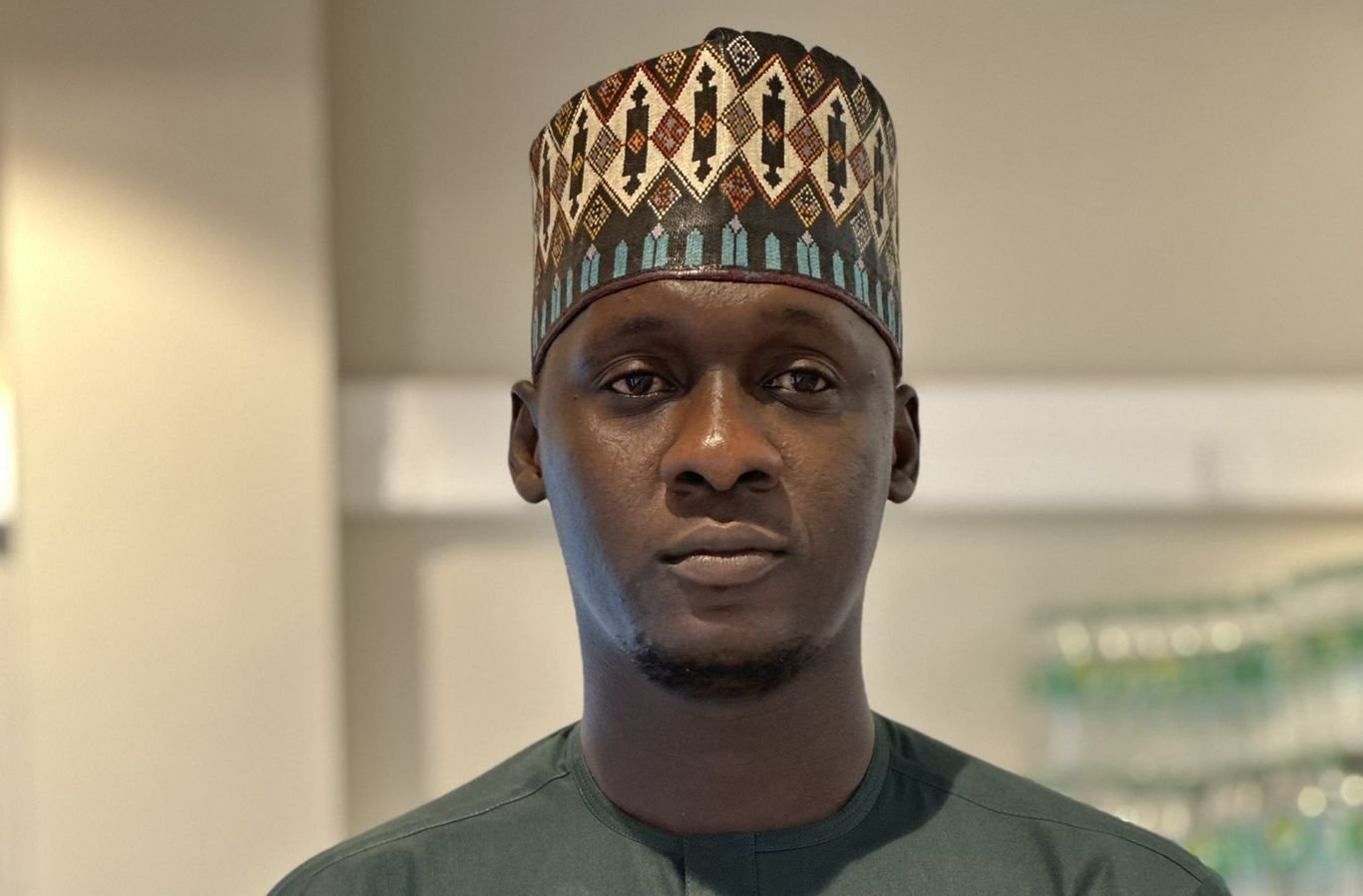
I AM A MOBILE CRANE OPERATOR FROM UKPUM ETE, ETE IN IKOT-ABASI LGA, AND THIS IS ONE OF THE REASONS I REJECT MY COMMUNITY WORK
By Jackson Daniel
Slavery with Helmets: The Safety Mirage
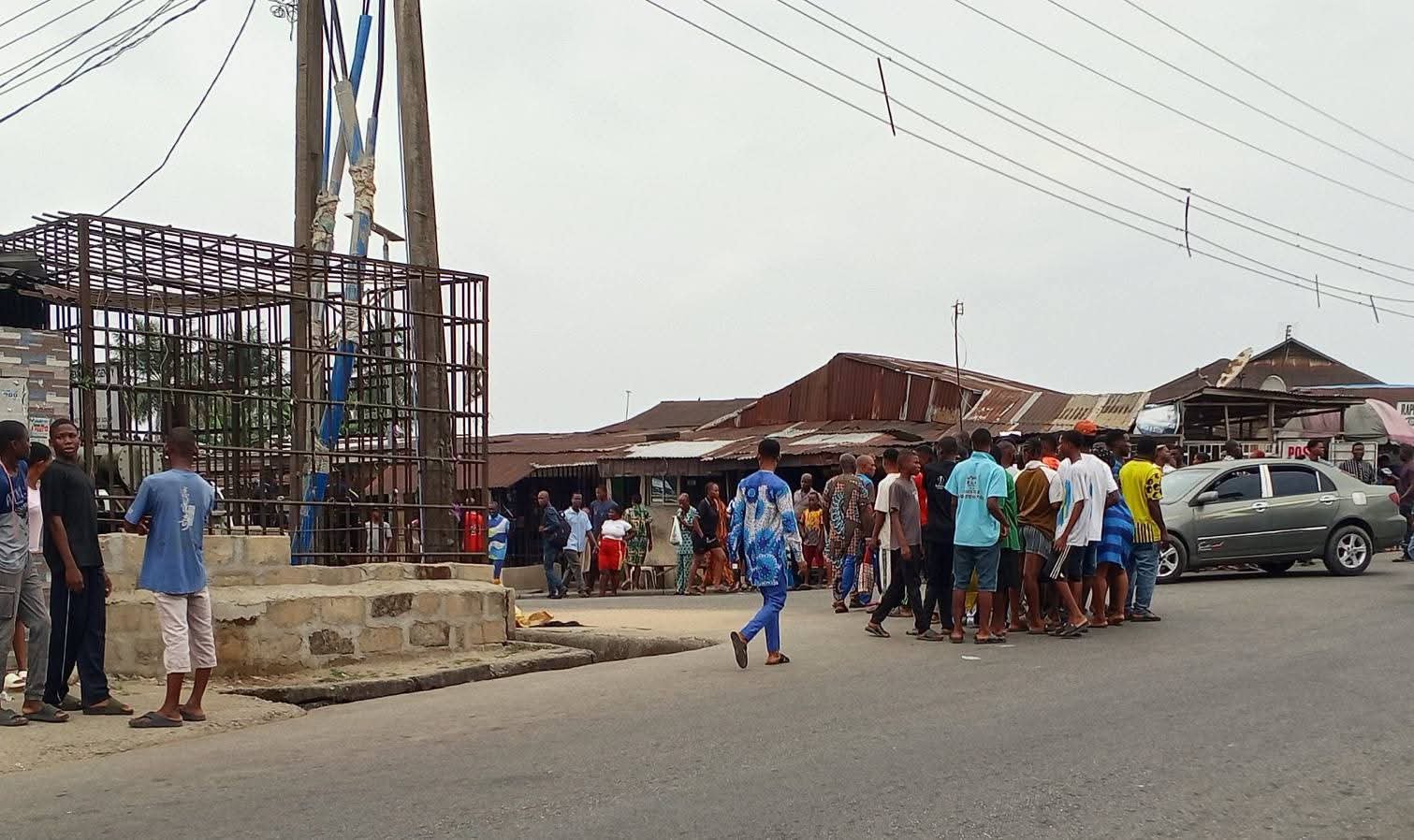
Sterling Global Petrochemical and Fertiliser Limited (SPFL) stands tall as an industrial giant in Ikot Abasi, but what it hides is a plantation of suffering.
What is happening here is worse than the slave trade of old. Back then, our ancestors were carried far away; today, our people are enslaved on their own land.
Go to the site and you will see it for yourself: men labouring without safety boots, welders working with torn gloves, artisans enduring insults and abuse.
Only a few workers are properly kitted; the rest risk their lives daily. When it rains, the company’s policy of “no work, no pay” stands. Imagine welders ordered to strike sparks under pouring rain — their gloves soaked, their boots missing, and electricity running through water. That is not work; that is a death trap.
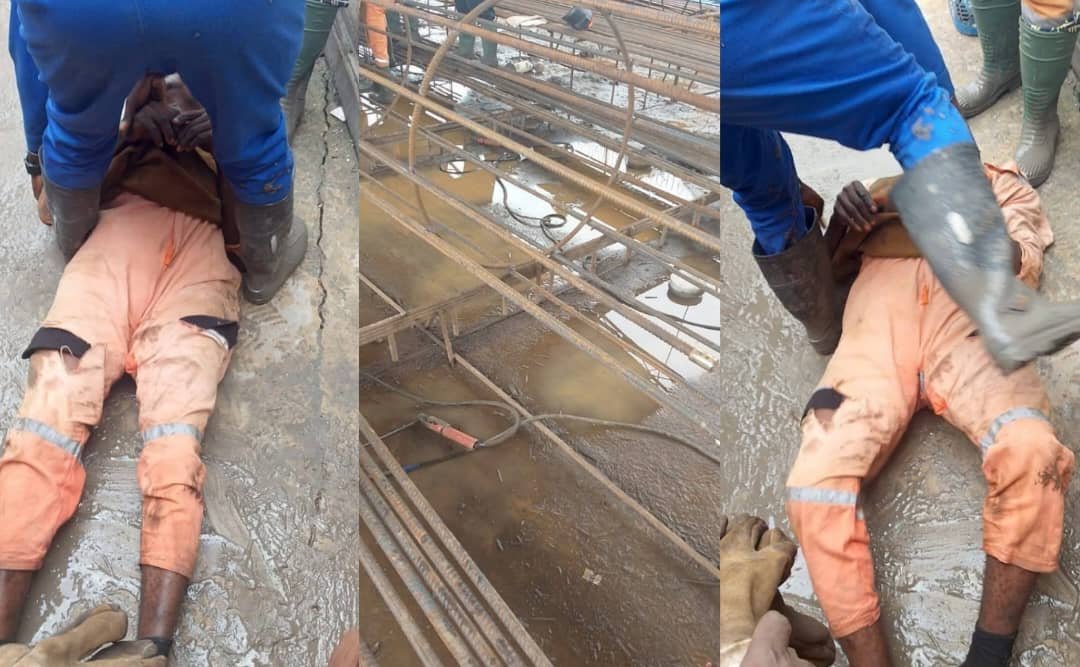
One story makes the tragedy clear. A young community worker was employed by SPFL, then sent to PLNG (a subsidiary of SPFL), passed down to CC14 (China National Chemical Engineering No. 14), and finally attached to CHCI (China Hebei Construction and Geotechnical Investigation Group).
On 17 September 2025, he was electrocuted. Why? He was told to weld inside stagnant water, where live electric cables lay. His gloves were torn and wet. If he had refused, his daily pay would have been deducted, or he would have been marked absent. That young man’s life was gambled away for “targets.”
This is not an isolated case — it is routine. Workers plead for new gloves or boots, but instead of receiving them, they are threatened with dismissal. Termination is the biggest weapon SPFL uses to silence complaints. Many are employed one day and sacked the next — sometimes for lateness, sometimes for refusing dangerous work, and sometimes for no reason at all.
The worst victims are those in the third-party rung of contracts — the lowest level. They work from 8 a.m. to 5 p.m., seven days a week, with no break, no medical leave, and no allowance. Fall sick? You are dismissed. Need a day off? Forget it — unless your Contract Supervisor chooses to intervene. But most times, these supervisors lack either the will or the power, for the contracts their bosses signed favour only the company, strip them of their humanity and make workers lose their dignity.
And then comes transportation — or rather, the absence of it. Third-party workers have no vehicle. SPFL buses are not for them. They are never allowed to join, no matter the distance they must travel. Every day, they are left to fend for themselves, clinging to lowbeds and heavy trucks just to reach the site. Some have fallen and died, crushed under the very vehicles they struggled to climb. Yet when they arrive late after such a journey, foreign supervisors mark them absent or dismiss them outright.
This is not employment. This is not development. This is slavery disguised as modern industry.
What is most painful is not just the company’s cruelty but the silence and connivance of our own leaders. Traditional institutions, government representatives, and supposed community leaders have all looked away while SPFL reduces Ikot Abasi to a plantation of suffering.
The betrayal is double-edged: first by the foreign masters who exploit us, then by our own who sell us out.
History will record this, and a day will come when we will rise against our leaders for not doing the right things, because tears and suffering are on the faces of these oppressors.
Jackson Daniel writes from Ikot-Abasi LGA.
CAVEAT: Views expressed in this article are those of the author and not related to those of Converseer, and or its staff.