By Christian Njoku
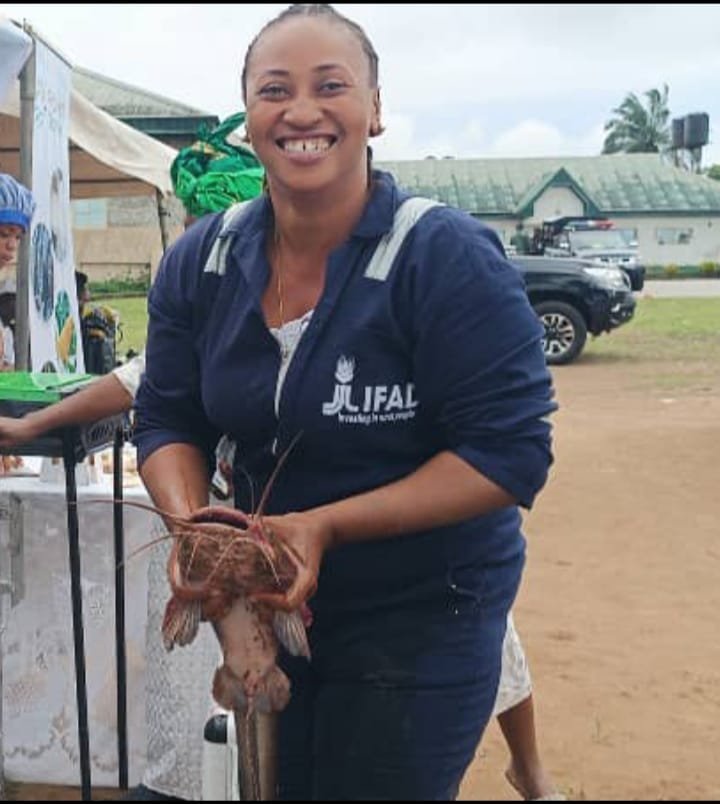
AKPABUYO (CONVERSEER) – Every morning, as the sun rises, Mary Okon, a young lady in Ikot Nakanda, Akpabuyo Local Government Area, Cross River State, rolls up her sleeves and goes about her job of feeding the fishes in her fish farm, looking out for anything strange.
Dressed in jean trousers and rain-boots, Okon exchange pleasantries with neighbours who now see her as a symbol of entrepreneurial dedication and achievement.
However, few years ago, this was not so as she lost her parents, could not secure a job and almost gave up.
“Before now, life was very tough for me, I looked for jobs that were hardly available, while the few available ones came with so much pressures.
“People want to take advantage of your joblessness to have their way before offering you one,” she said.
In 2023, Okon applied and was selected by the International Fund for Agricultural Development, Livelihood Improvement Family Enterprises in the Niger Delta, (IFAD LIFE-ND) project and was trained in fish farming.
With support from the project, including fingerlings given to her, she was able to start up her own fish farm which is now serving as an incubation point for other trainees.
“This is not just a job for me, it is life, as I breed my fishes to table size and sell them in six months; annually, I make over N1 million which is more than what many white collar jobs can give me.
“I am also impacting the society by training others while the water from the farm is used in our vegetable garden because it is very high in nutrients, so, we eat fresh foods too,” she narrated in excitement.
Similarly, in Idoma Community of Biase LGA, another IFAD LIFE-ND product, Comfort Anthony is making waves in cassava production and processing.
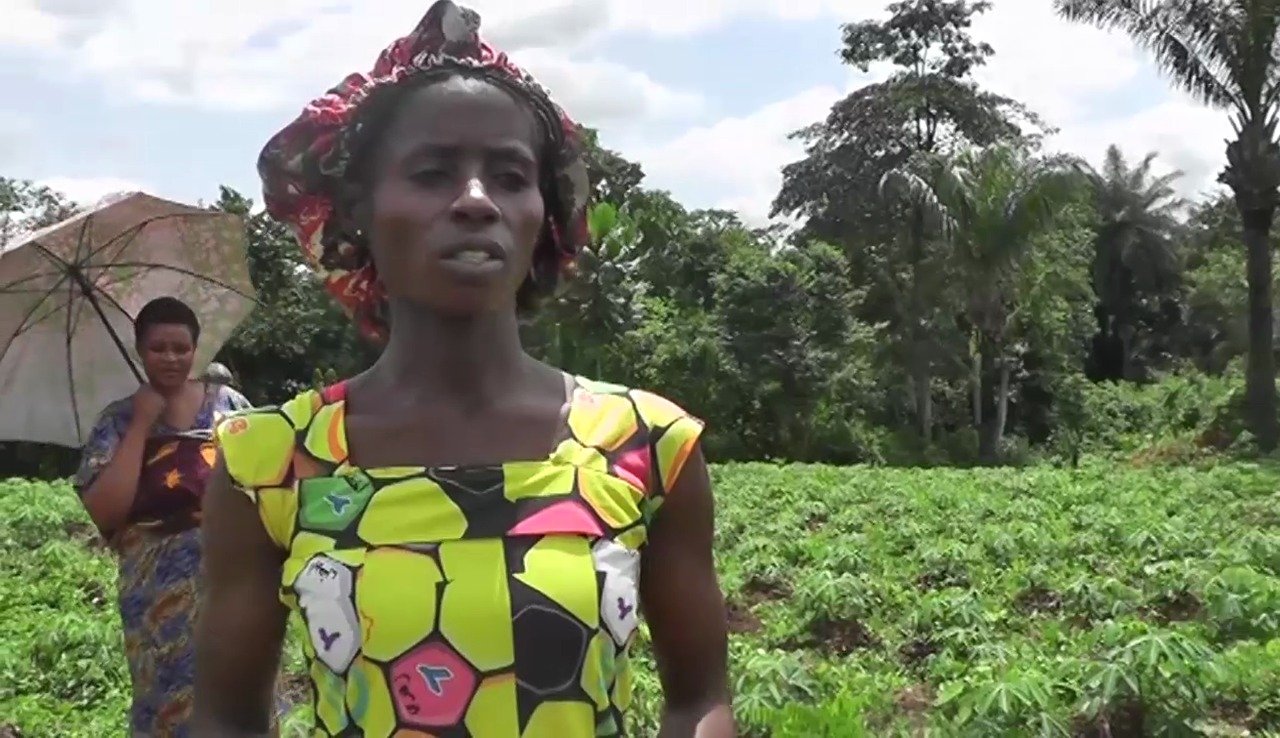
Anthony said before her training in 2022 by IFAD LIFE-ND, she was into cassava cultivation in a crude and cultural way that was yielding very little until the IFAD LIFE-ND project came to her rescue by teaching her effective systems of cultivating and processing cassava.
“I process my cassava to ‘garri’ and annually, I make up to N1.6 million in cash, apart from the fact that I have enough to eat; I am not interested in white collar jobs because of what I can make from my cassava Farm.
“Youths in Nigeria need to leverage on agriculture instead of job hunting and wasting time, you will have enough to eat and money in your pocket because there is a lot of fertile land in this state and in Nigeria,” she said.
For Eyong Ikwa, a poultry farmer in Adim, Biase LGA, his life changed for better from 2022 after he was trained in the IFAD LIFE-ND project in poultry farming and started with 200 day old broiler chicks

Initially, people in his community looked at him as one of the regular people who just rare chickens for subsistence but for him, the business has not only transformed him but has given him a chance at greatness.
“Between 2020 and 2021, life was very difficult for me as I could hardly feed, even though I was doing little poultry farming them, I did not believe or see any prospect in it until I was introduced to the IFAD LIFE-ND agric project.
“I was selected as an incubatee in the project and after six months of training, I was given 200 day old broiler chicks and bags of feed, both starter and finisher,” Ikwa narrated.
Today, his farm has 1,500 birds which has consumed about 250 bags of feed worth about N6 million already.
He has also completed the construction of a new 5,000 capacity poultry farm from the proceeds of the business making him the proud owner of the biggest poultry farm in Adim community.
“In a year, I make nothing less than N15 million and have been able to employ some other young people to work in the farm while they learn the ropes to own their own farms, instead of roaming the streets in search of white collar jobs or engaging in unnecessary vices,” he said.
Similarly Mr Paul Agbor is another young man who has turned his fortunes around using agriculture as a spring board.
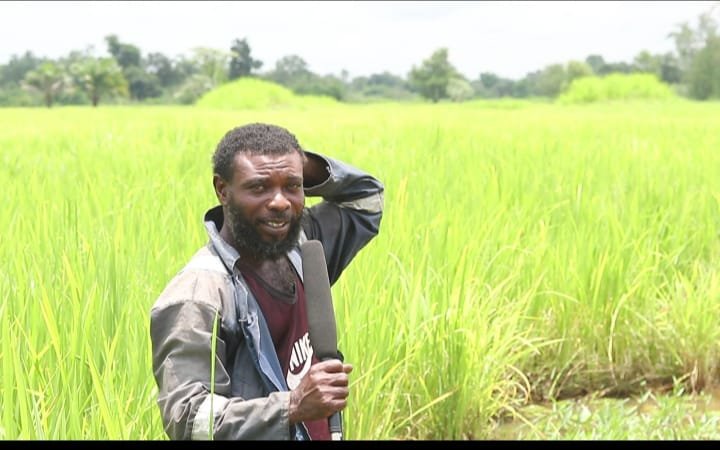
Based in Alangkel community in Ogoja LGA, Agbor cultivates rice in his marshy fields and has been able to change things around him and even help others.
“I thank God I was trained and assisted in the IFAD LIFE-ND project few years ago because before then, I could boast of nothing, not even a matchet, I was poor, jobless and frustrated.
“But today, I have six trainees under me in my farm learning how to effectively cultivate rice, I had trained 5 in 2024 and they had all gone to start up their own farms,” he narrated.
After his training in the IFAD LIFE-ND project in 2022, Agbor was given 2 bags of rice seedlings, 10 bags of fertiliser and N600,000 but today his farm has grown so big that he cannot manage it alone.
According to him, “In 2024, I sold so much bags of rice and made good money because the weather was quite favourable, in fact, you can make more than N5 million annually.”
Like thousands of Nigerian youths caught in the slippery mire of unemployment and underemployment, Agbor has been able to grab hold of a life line by cultivating his way out of unemployment and into prosperity.
The heart gladdening testimonies of Okon, Anthony, Ikwa and Agbor is a testament of the potential of agriculture in turning the unemployment tide in Nigeria to economic prosperity.
Creating wealth among these youths is not the only positive in the IFAD LIFE-ND project, there has also been an increase in the production of agricultural produce and making these produce close to the people.
For instance communities around where Okon has her fish farm no longer need to travel far to get fishes that they resold, the same way many people around Ikwa rely on his poultry for regular supply of birds instead of traveling far.
The most recent data from the National Bureau of Statistics (NBS) shows that from the second quarter of 2024, youth unemployment rate was 6.5 per cent, down from 8.4 per cent in quarter one of the same year.
While this data shows that youth unemployment was going down, in absolute terms, this equates to about 4.18 million youths between the ages of 15 and 34 currently unemployed.
Nigeria has one of the youngest populations in the world, with over 60 per cent under the age of 25; in theory, this offers a major economic advantage, a large, energetic workforce.
This, however, becomes a major challenge if the economy cannot absorb these young people into meaningful employment, the demographic advantage turns into a liability, a time bomb instead of a growth engine.
Agriculture employs over 35 per cent of Nigeria’s workforce and contributes about 25 per cent to the nation’s Gross Domestic Product (GDP), but most of it is still at subsistence level.
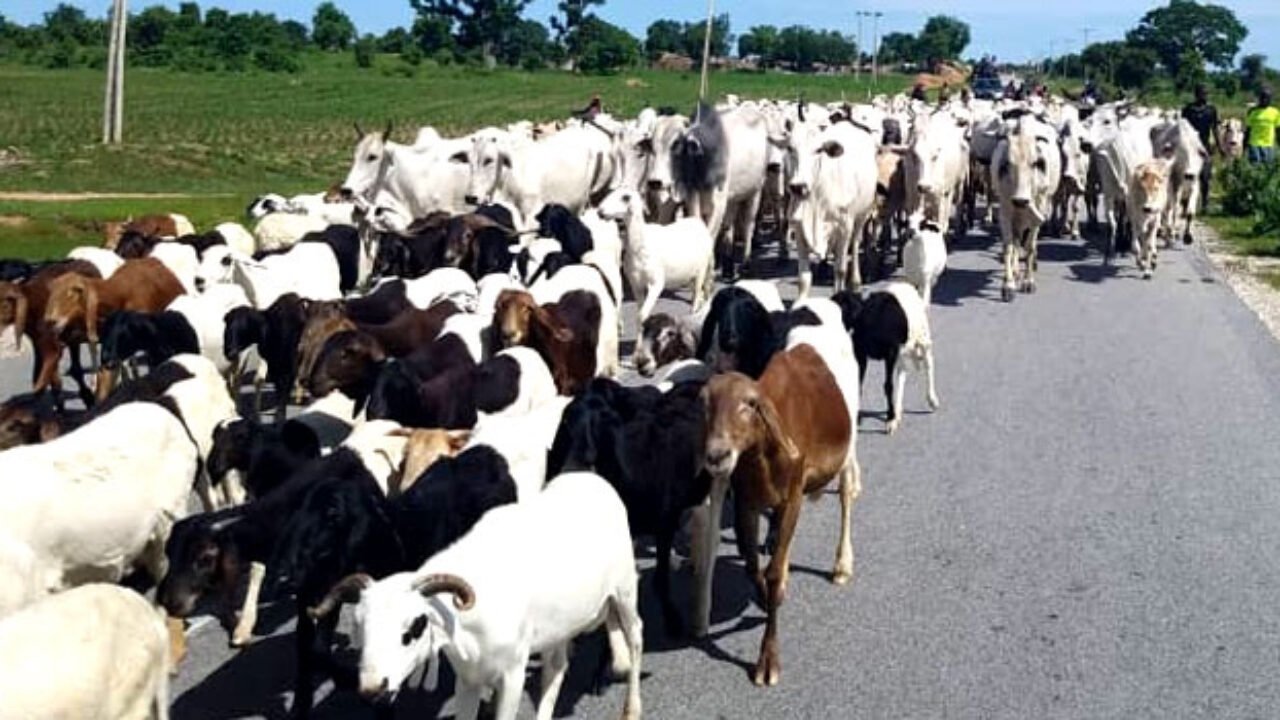
With investments in value chains, just like the IFAD LIFE-ND project, millions of jobs can be created in crop and livestock production, agro-processing transport/logistics, marketing and exports among others that can soak up many unemployed Nigerian youths.
Speaking on the successes achieved in the project, Mr Innocent Ogbin, Coordinator of the programme in Cross River said the initiative was suppose to run for six years and end officially around Sept. 2025 but will continue following additional funding it received.
According to him the project which has been very impactful was modeled after the master, apprentice structure which is very common in the South-Eastern part of Nigeria.
He said apart from economically empowering youths and women in rural communities, the idea is to teach them how to engage in climate smart agriculture which is more sustainable and environmentally friendly.
“The goal was to enhance income, food security and job creation for rural youths and women through agribusiness development initiatives that would be done on a sustainable basis.
“We know that the youths need something that would give them money quick and that was exciting that is why the business cuts across the value chains of four produce in Cross River, rice, cassava, poultry and fish production,” he maintained.
Ogbin said even though they have had their fair share of challenges with the advent of COVID-19, redesign of the Naira that created a massive cash crunch, they were able to guide and empower many of the budding “agripreneures” who are presently doing well.
It is important to state that in the last few years in Nigeria, different administrations have invested massively in agriculture, such as the Anchor Borrowers Programme (2015), Presidential Fertiliser Initiative (2017) among others
While these programmes have yielded some levels of results, they have not really and substantially impacted the unemployment status of the Nigerian youths who are trooping into the labour market annually.
Prof. Chijioke Osuji, an Agro Industry and Value Chain Expert said agriculture remains one of the easiest avenue to ensure Nigerian youths are gainfully employed but it requires an understanding of how agriculture value chain works.
Osuji who works at the Department of Food Science, Federal University of Technology (FUTO), Owerri, and has over the years proffered solutions on how Nigeria can leverage on its agricultural potentials, said not every youth needs to be a farmer but they can be in the agric value chain.
“There are different opportunities in the agriculture value chain at different ends that are suitable and quite appealing for youths, ranging from farming, to logistics, storage, drying even the graphic artist can make good living in the agric value chain, Osuji stressed.
He said one of the most difficult and expensive aspects of agriculture is land development which is why many leaders especially state governments shy away from it.
According to him, instead of declaring to develop 10,000 hectares of land for agriculture and do nothing because of its cost, governors can break it down by developing 500 hectares annually and give one hectare per youth to cultivate specific crops.
He said that way about 500 youths have been empowered to cultivate specific crops in a cluster while the state government also empowers those who would prefer to be in the processing value chain, so the farmers don’t sell their produce for peanuts.
“There is also need for processing clusters where youth are given space for only food and food related processing and nothing else, it could be called agro processing zones or hub with shared facilities such as power and water supply.
“When this is done it means the government is creating an enabling environment for the youths to think smartly and have a reorientation about agriculture.
“Also, there it will be easy for development partners to meet, train and retrain the youths in their value chains,” he asserted.
Corroborating the assertion, of the professor, Mr Bassey Emogor, Programme Manager, Cross River Agriculture Development Programme (ADP), said the IFAD LIFE-ND project has been a blessing to Cross River.
He, however, noted that when the project started in the state, the issue of counterpart funding from the then state government almost hampered it but for the magnanimity of the project handlers who captured Cross River, irrespective of the challenge.
“The present administration in the state, seeing the potential of the project has approved its counterpart funding to ensure that the programme which was originally meant to end in 2025 is continued for another three years.
“The incubator, incubatee model adopted by the project has been very successful as many of the incubatees trained by incubators have today become incubators themselves,” he maintained.
He added that, if the nation must reduce unemployment, it must take agriculture seriously because with it the youths can easily earn a living and become employers of labour with very little support.
“It is however sad that, for instance in the University of Calabar, data shows that the Faculty of Agriculture has less than 300 students, undergraduates and postgraduates put together.
“This is poor for a nation trying to ensure that it’s teeming youths are gainfully employed,” he added.
For far too many years, Nigeria has grappled with the scourge of massive youth unemployment, while it paid lip service to agricultural development that has the potential to drastically reduce its youth unemployment level.
Today, the challenge has moved from just youth unemployment to the nation’s inability to effectively feed itself while scarce foreign exchange are transferred daily to other nations for food importation.
This trend can be changed with a concerted and sincere effort in developing agricultural value chains in the nation, making it attractive for the teeming youths whose strengths and innovative mindset can make the process smarter.
Projects like the IFAD LIFE-ND, modelled around training and empowering youths and women through its incubator, incubatee system must be embraced and expanded to save the situation.
The time to act is now.