By Joe Udo
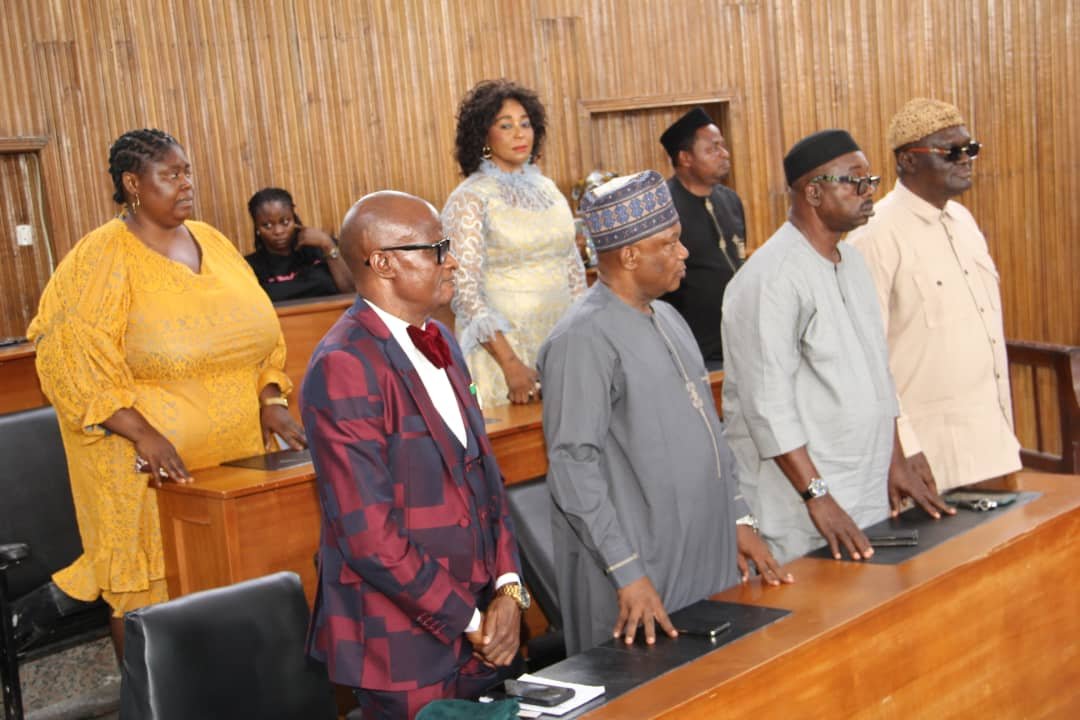
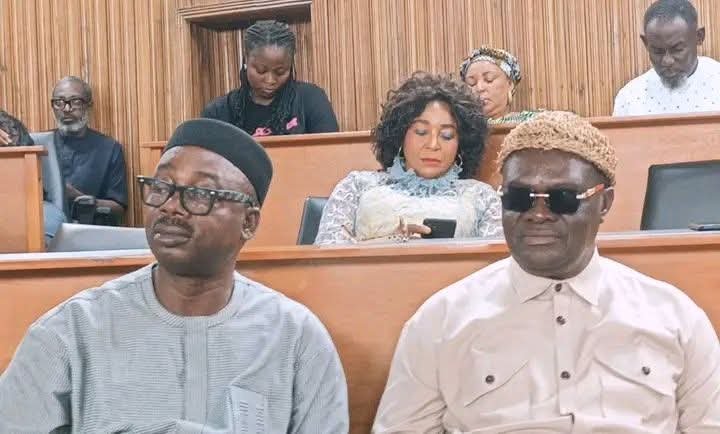
ABUJA (CONVERSEER) – Nigeria’s Senate on Wednesday debated the December 25 United States airstrikes on terrorist enclaves in Sokoto State, following concerns raised by Senator Abdul Ningi over how the operation was conducted.
Ningi, a Peoples Democratic Party (PDP) lawmaker representing Bauchi Central Senatorial District, faulted the strikes, describing them as a breach of Nigeria’s territorial integrity as a sovereign nation.
He argued that the National Assembly, which is constitutionally empowered to participate in discussions on foreign military involvement, was not consulted before the operation was carried out.
Raising the issue during plenary presided over by Senate President Godswill Akpabio, Ningi warned against allowing the executive arm of government to take unilateral decisions on sensitive national security matters without legislative input.
He cautioned that such actions could set a dangerous precedent, noting that other global powers might in future conduct military operations within Nigeria without recourse to the legislature.
“It is not right. The leadership of the National Assembly should take a briefing from the security agencies on what actually happened. This is a violation of our territorial integrity,” Ningi said.
Akpabio, however, intervened to calm the debate, explaining that the Senate leadership had already scheduled a closed-door briefing for lawmakers on the matter.
According to him, the briefing was initially planned for Tuesday, January 27, after the Christmas and New Year recess, but was postponed due to the suspension of legislative activities in honour of the late Senator Godiya Akwashiki, who died on December 31, 2025.
Akpabio stressed that the issue involved sensitive security details and should not be debated in open plenary.
“We really should not discuss this in the open. We intended to brief members behind closed doors yesterday, but because of Senator Akwashiki’s demise, we could not,” he said.
“Your point of order is noted. We will still brief senators in a closed session,” Akpabio added, assuring that the meeting would hold on Thursday, January 29.
The United States carried out the airstrikes on December 25, 2025, in coordination with Nigerian authorities, targeting camps linked to the Islamic State group.
The U.S. Africa Command (AFRICOM) confirmed that multiple ISIS terrorists were killed during the operation.
The strikes reportedly involved 16 precision munitions deployed from MQ-9 Reaper drones and Tomahawk missiles launched from a U.S. Navy destroyer stationed in the Gulf of Guinea.
According to AFRICOM, the operation was aimed at disrupting terrorist training bases, logistics networks and operational hubs amid growing threats from the ISIS Sahel Province (ISSP) and allied groups, including Lakurawa elements infiltrating from the Sahel region.
The airstrikes came against the backdrop of heightened diplomatic tension following former U.S. President Donald Trump’s designation of Nigeria as a “Country of Particular Concern,” citing allegations of persecution of Christians.