By Frank Ulom
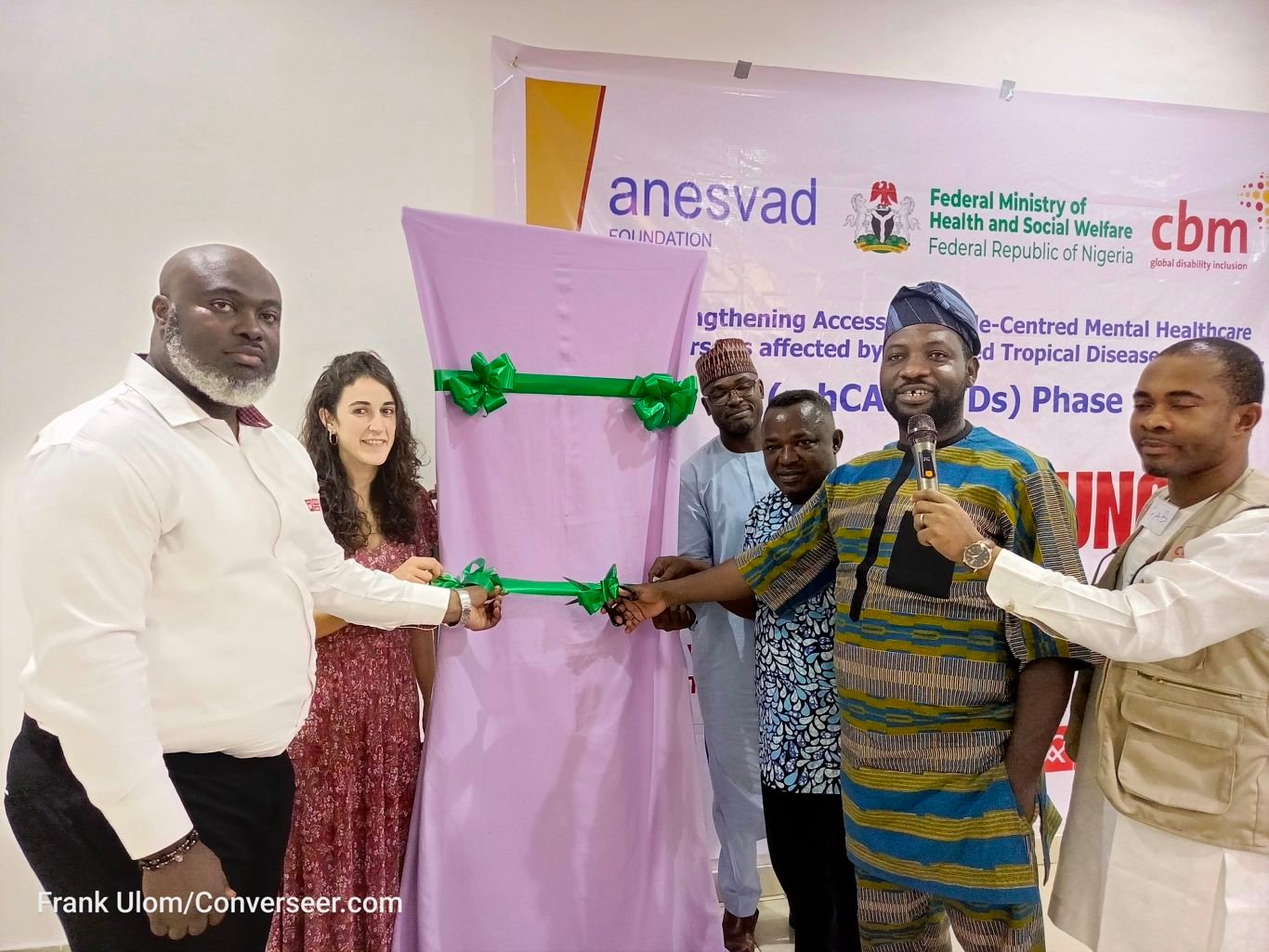
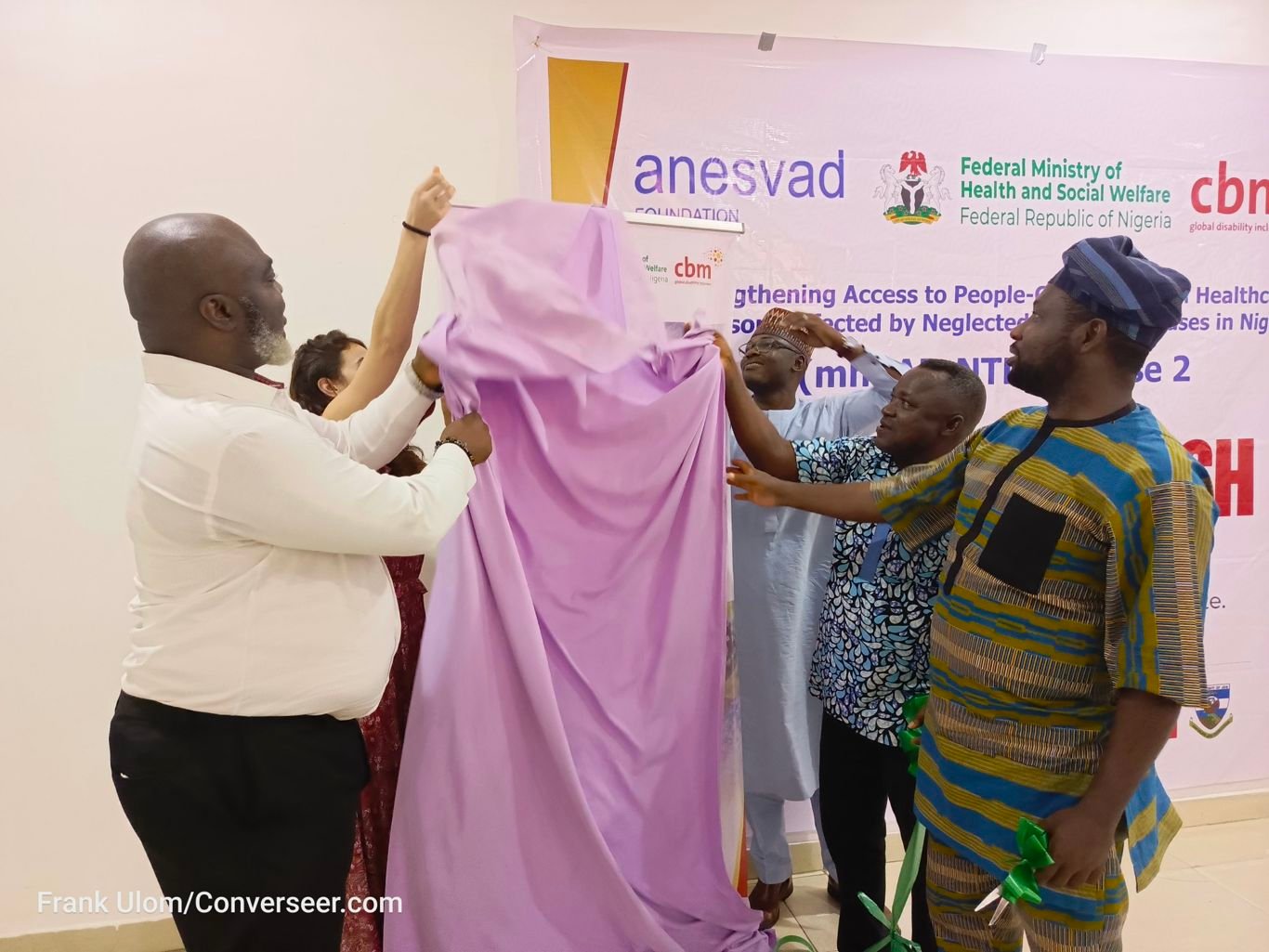
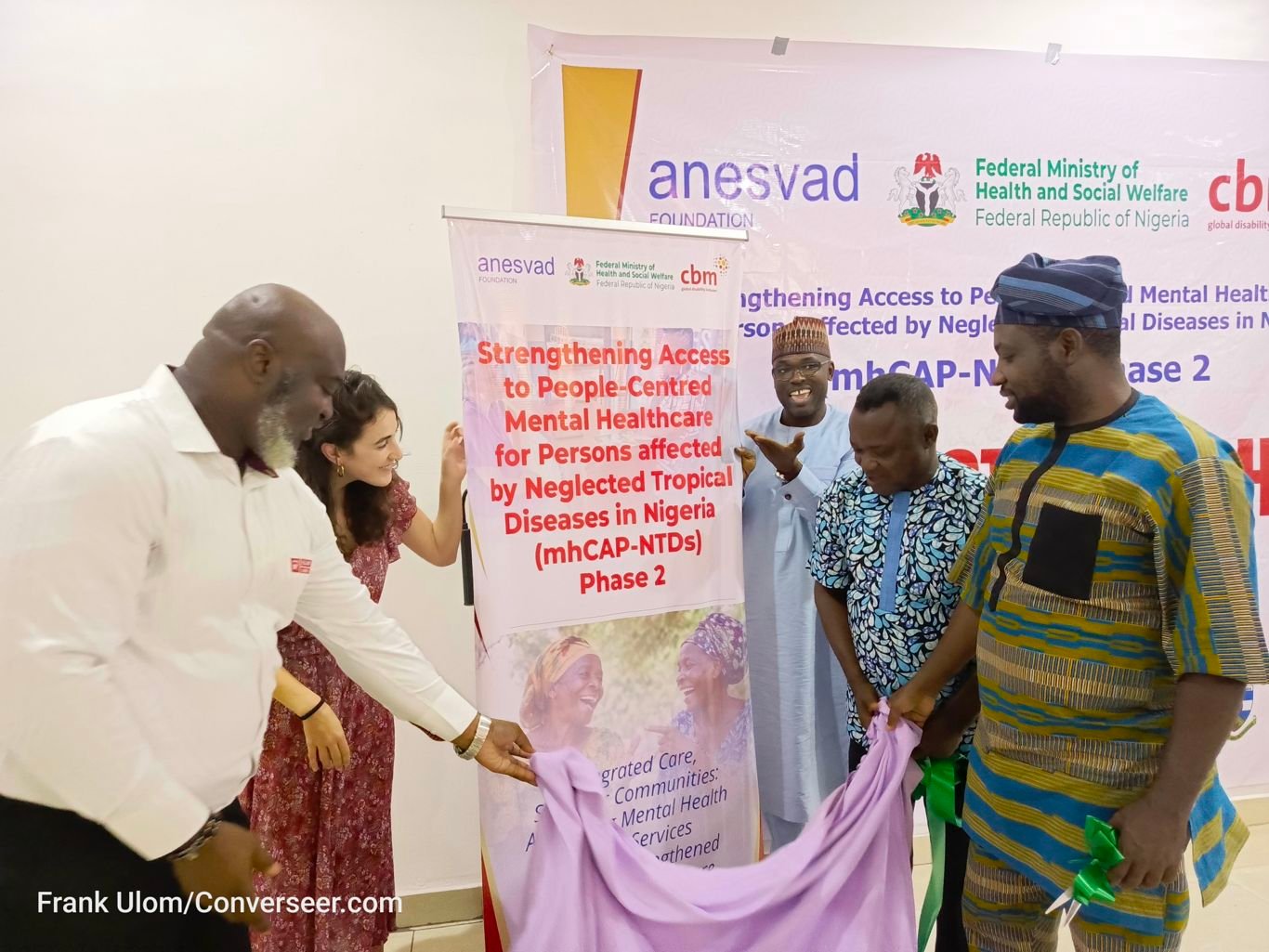
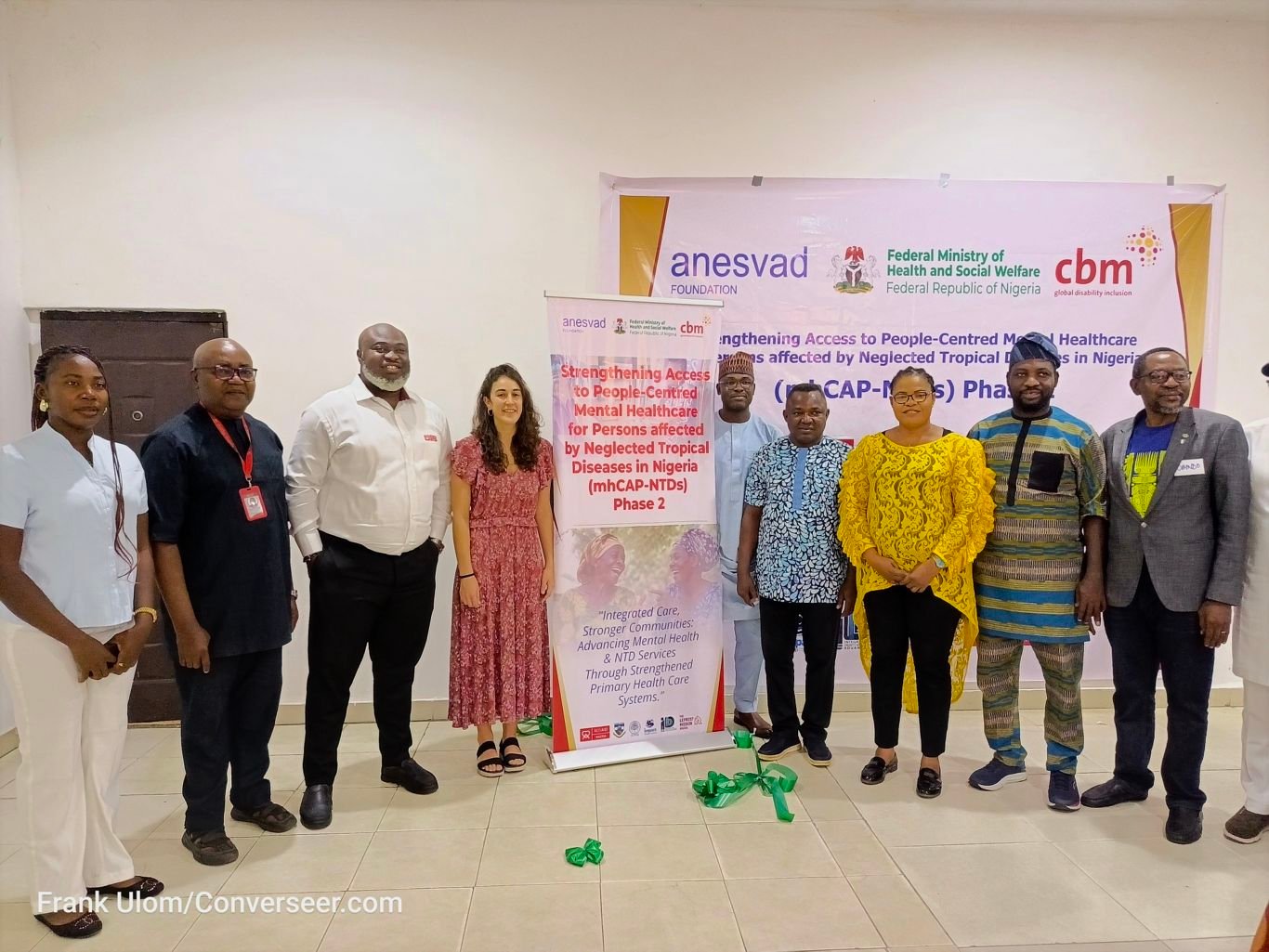
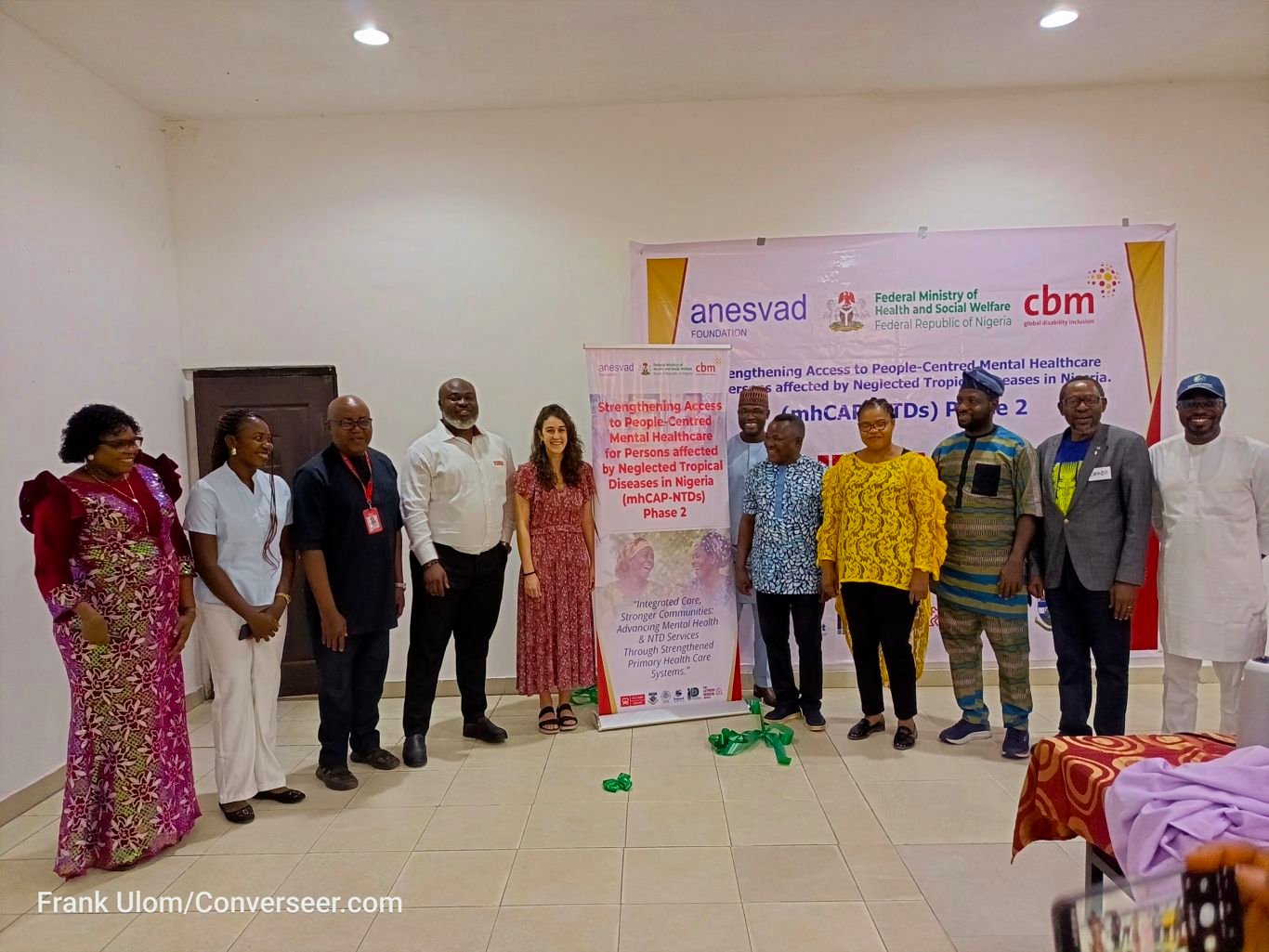
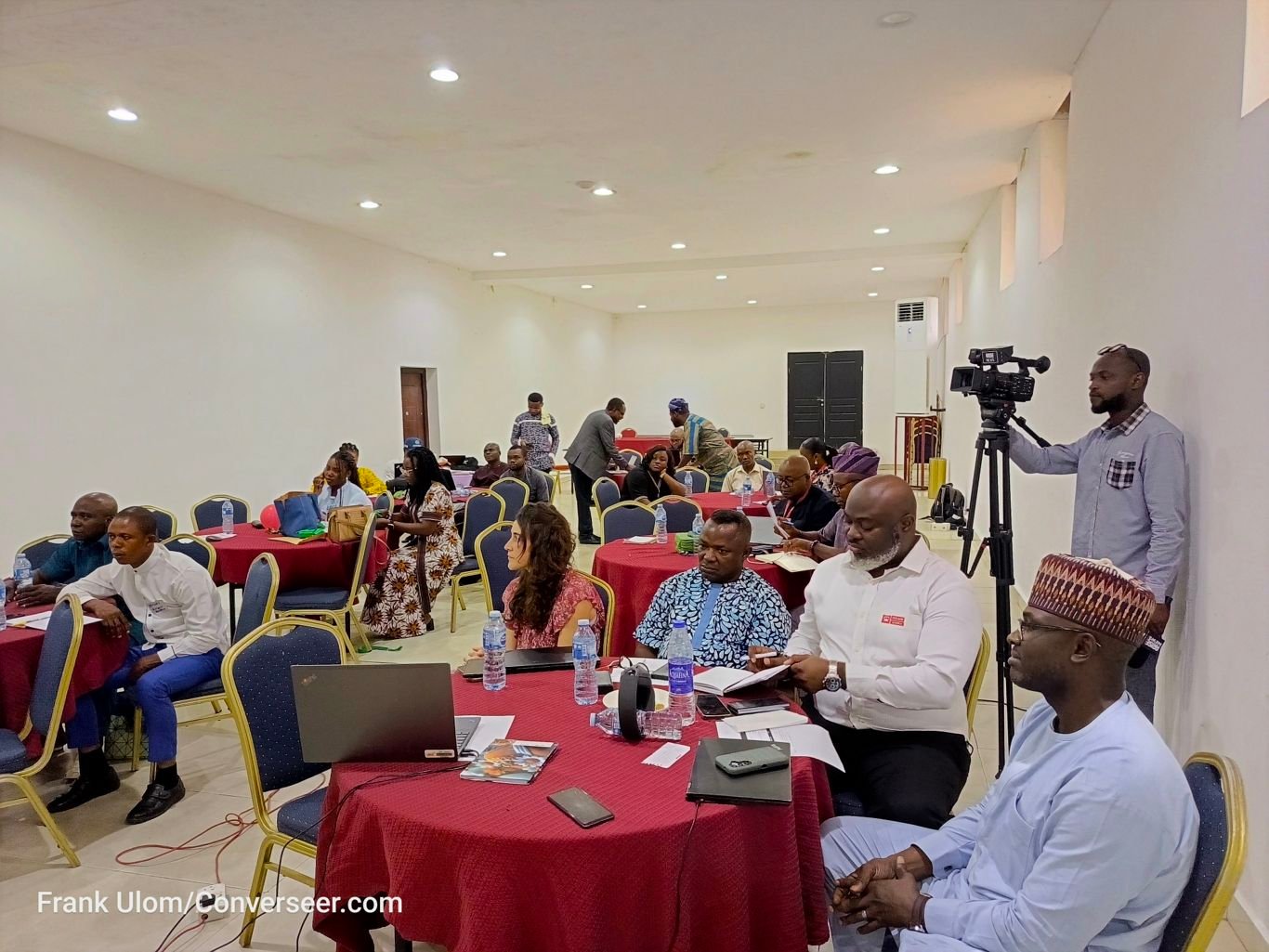
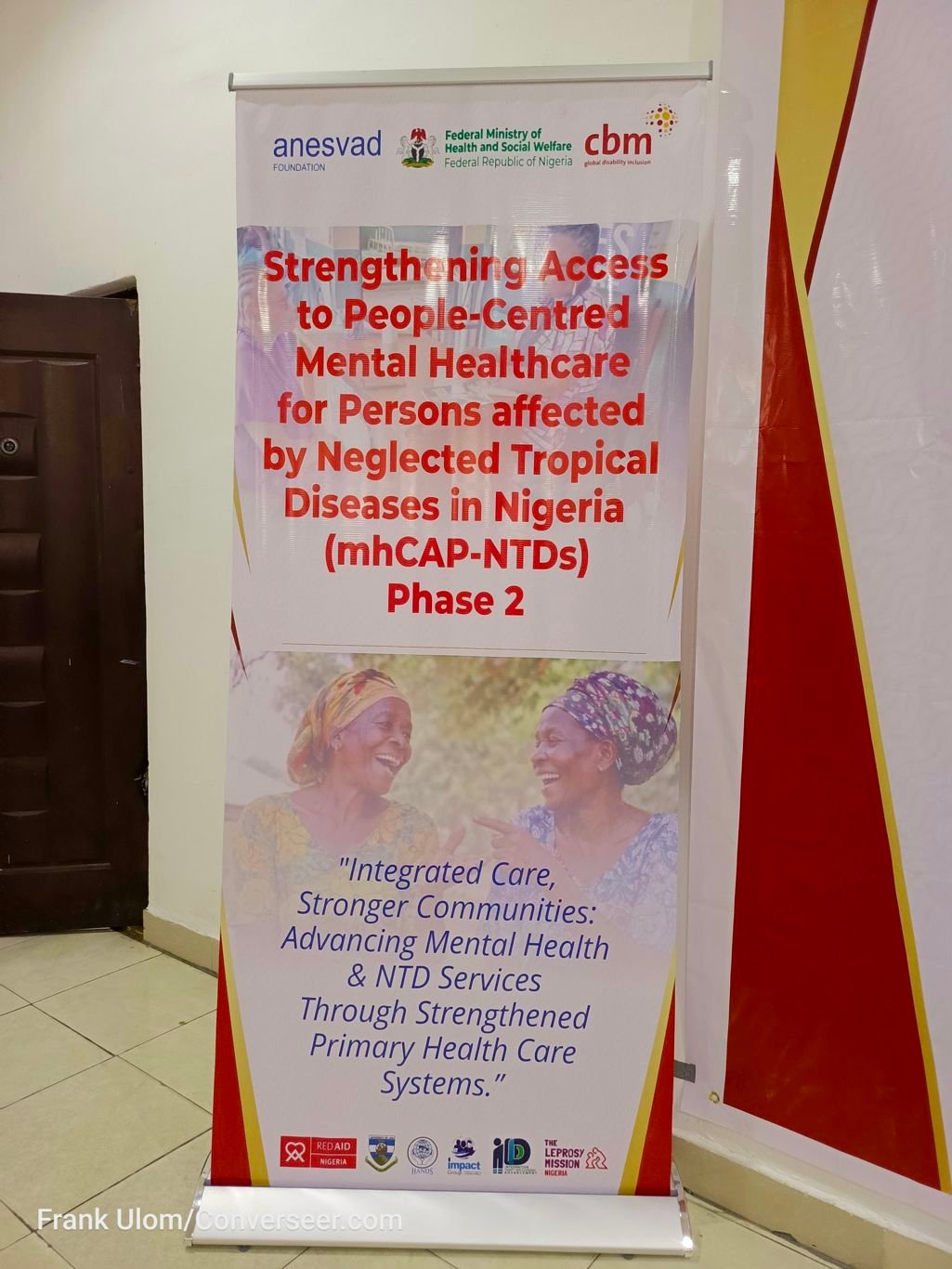
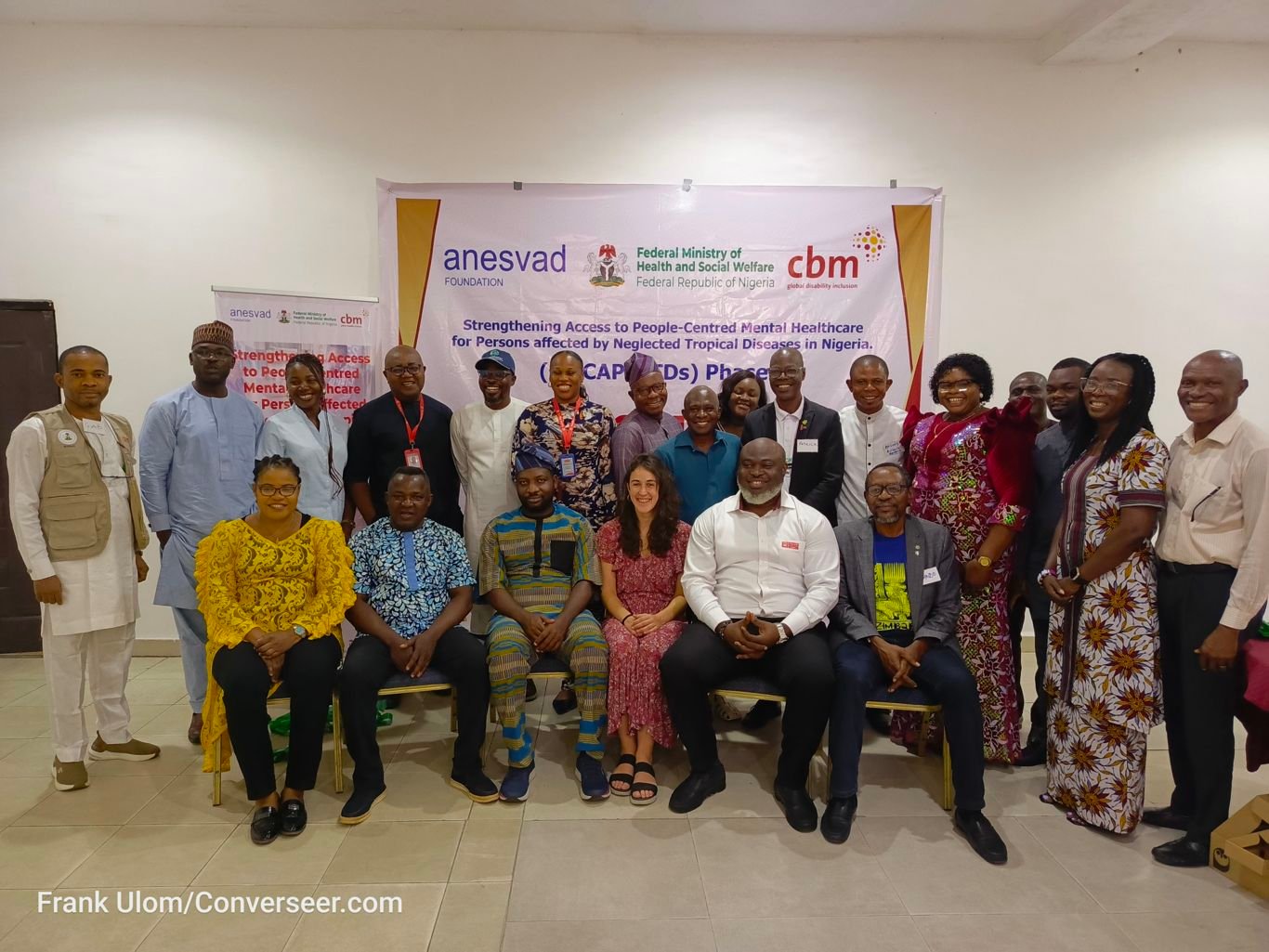
CALABAR (CONVERSEER) – The Federal Ministry of Health and Social Welfare in conjunction with ANESVAD Foundation, CBM Global Disability Inclusion, and others, have launched the second phase of the “Strengthening Access to People-Centred Mental Healthcare for Persons Affected by Neglected Tropical Diseases (mhCAP-NTDs)” project in Ogoja, Cross River State, with a renewed focus on improving care delivery and tackling stigma in endemic communities.
Representing the Minister of Health and Social Welfare, Prof. Muhammad Ali Pate, the National Coordinator of the National Mental Health Programme, Dr Ojo Tunde MasseyFerguson, said the initiative aims to expand access to mental health services for persons affected by neglected tropical diseases (NTDs), particularly in Ogoja Local Government Area.
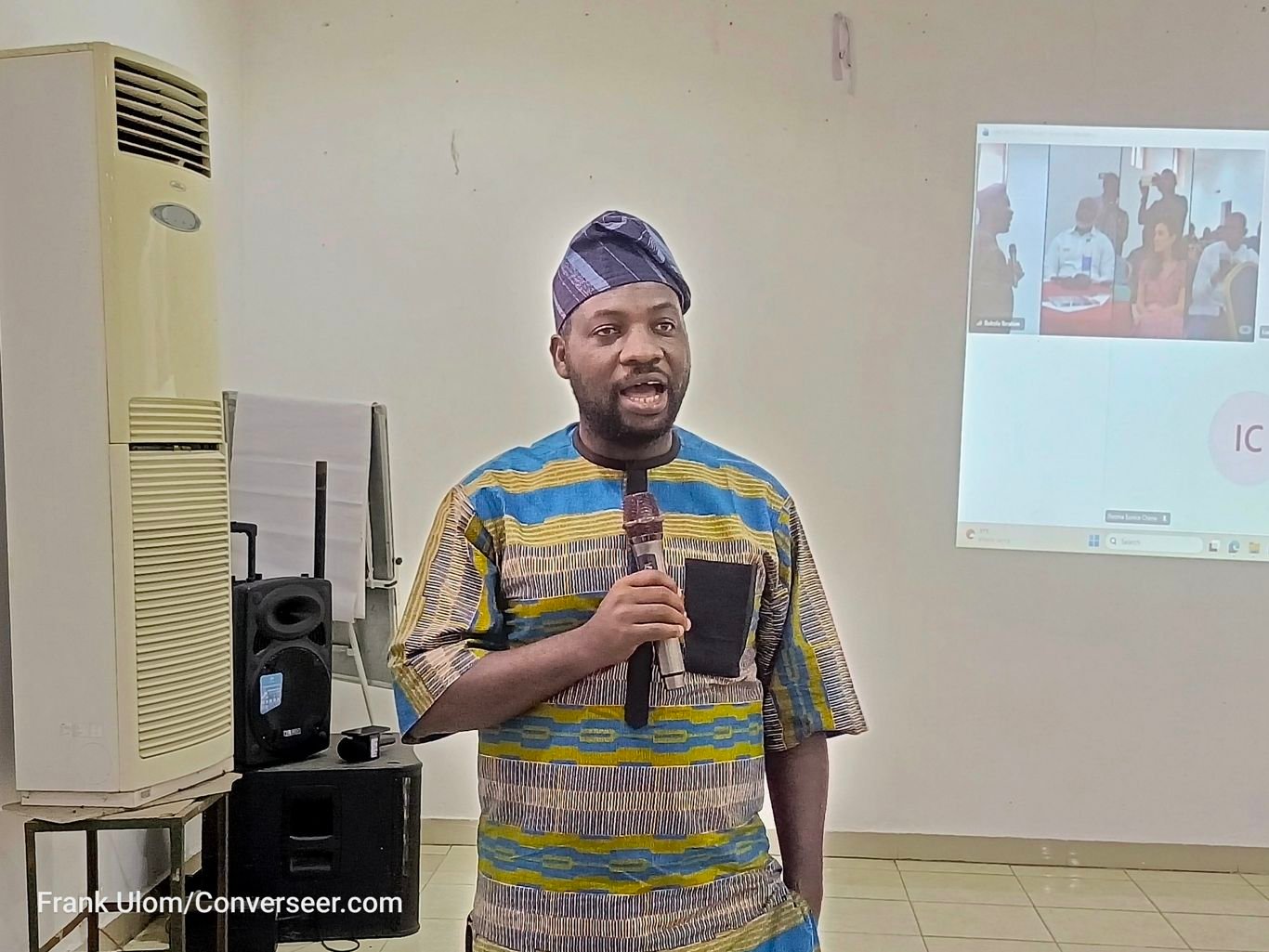
“We are here in Cross River to launch a second phase of a programme which we call mhCAP-NTDs, which is about increasing access to people-centred mental health care for people affected by NTD,” he stated on 18 March 2026, during the project launch at Monty Suite, Calabar.
He explained that the first phase, which lasted two years, addressed mental health challenges linked to NTDs, including stigma, poverty and untreated psychological conditions. According to him, interventions included livelihood support, anti-stigma campaigns, and training of healthcare workers to detect and manage mental health cases at primary healthcare and community levels.
“In the first phase there were different packages of care to address stigma, provide livelihood for them and train health care workers to detect mental health conditions and treat some at primary health care level,” he said.
Dr MasseyFerguson noted that the second phase would build on lessons from the pilot phase by concentrating efforts in Ogoja, identified as a high-burden area for skin-related NTDs. He added that the programme seeks to generate further evidence on sustainability and guide policy decisions for nationwide scale-up.
“We have seen that this thing works and that is why we are saying it needs to be scaled up across all platforms of NTDs response,” he added.
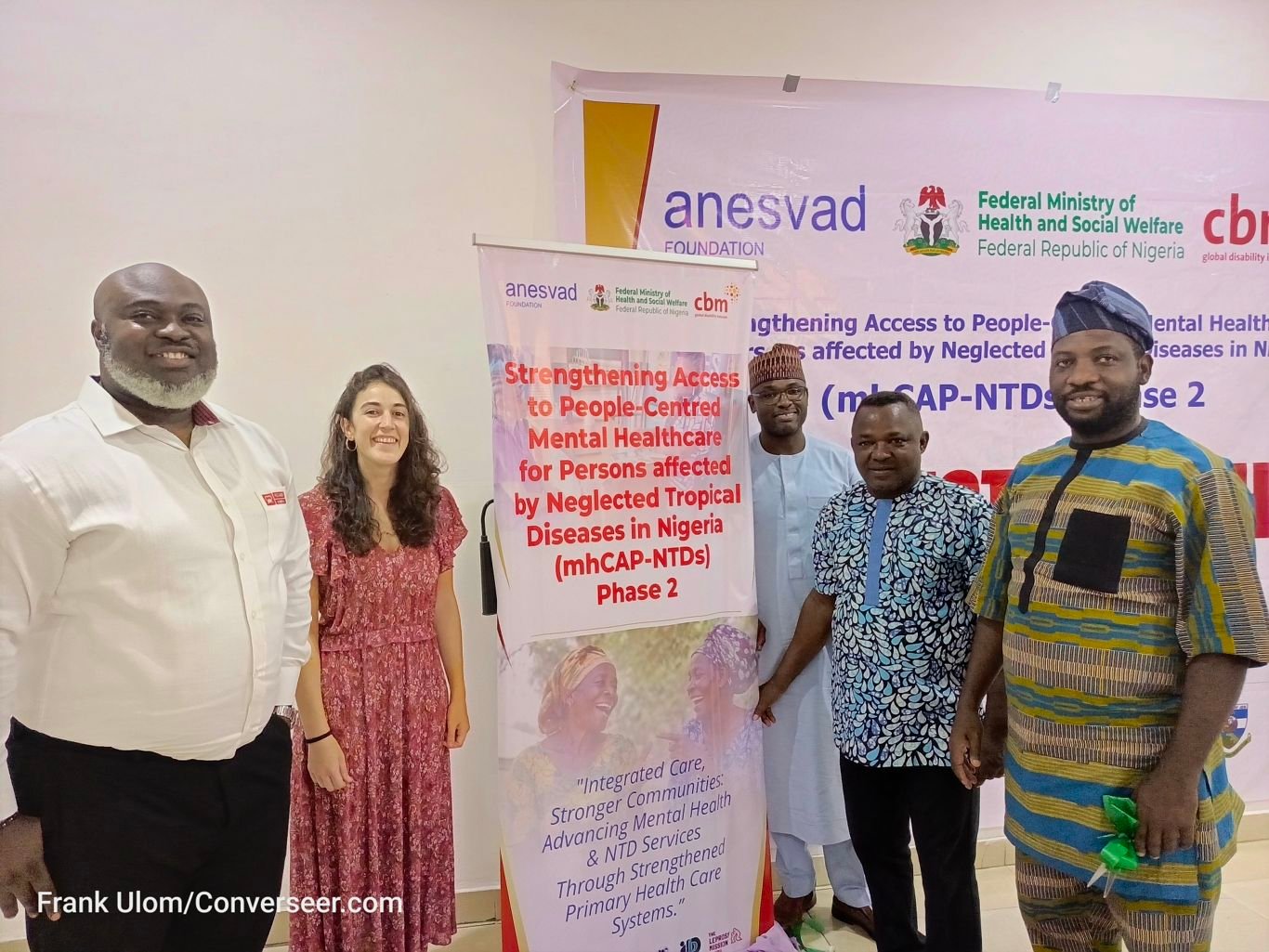
Speaking on behalf of the Cross River State Commissioner for Health, Dr Henry Ayuk, the Director of Public Health, Mr Patrick Odu, described the programme as impactful and forward-looking.
“This programme has been impactful right from the commencement till now. It is going to mitigate the impact of mental health challenges among people affected by neglected tropical diseases, especially onchocerciasis in Cross River State,” Odu said.
He noted that the first phase recorded improved access to treatment and a reduction in disease burden, expressing optimism that the second phase would further strengthen research and response mechanisms.

From the development partners’ perspective, Cristina Juan Jimenez of the ANESVAD Foundation said the organisation supported the continuation of the project due to its proven impact and Nigeria’s high burden of NTDs.
“We believe that we can continue doing research here in Nigeria… and we would like this research project to impact national programmes and policies,” she said, noting that Ogoja was selected due to high endemicity of diseases such as buruli ulcer, leprosy and lymphatic filariasis.
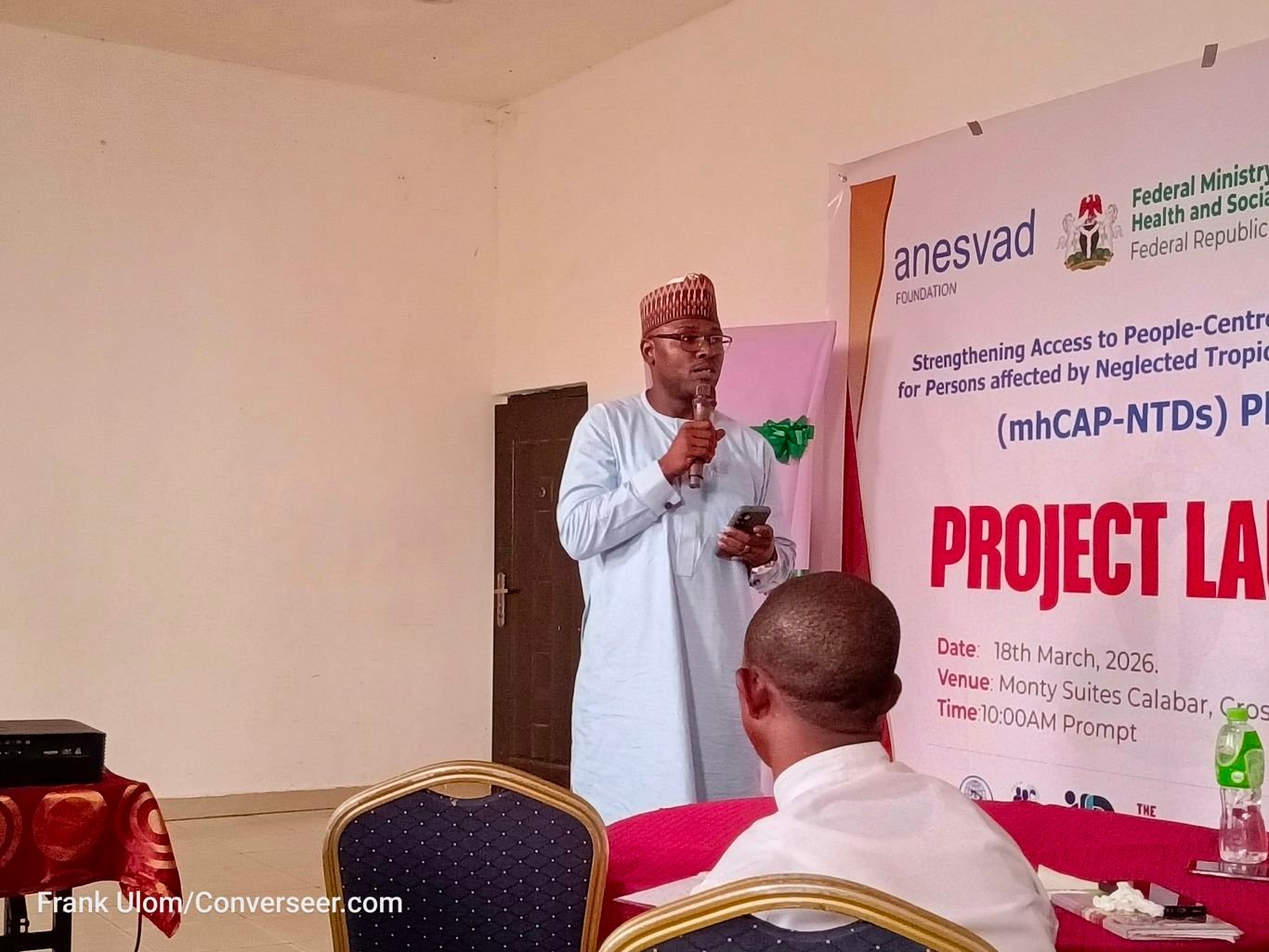
Mr Abdulaziz Musa, Content Director at CBM Global Disability Inclusion, highlighted the strong link between NTDs, disability and poverty, stressing the importance of a holistic, people-centred model.
“The goal is to pilot a model that puts the person at the centre of treatment, not just giving drugs but addressing socio-economic factors, stigma and livelihoods,” he said.
He warned that stigma often prevents affected persons from seeking care and may lead to severe psychological consequences, including depression and suicide.

Also speaking, Amaka Onyima-Esmai, National Coordinator for Resilience for Impact on Community Health Care and a person affected by NTDs, emphasised the importance of inclusion and co-creation in the project.
“There is nothing for us without us. This project was done with us, not for us,” she said, noting that beneficiaries actively participated in designing interventions during the first phase.
She identified stigma as a major driver of mental health challenges among affected persons and called for stronger interventions in the second phase.
“Stigma is the real challenge… it leads to depression, anxiety and isolation. We want this phase to deal very well with stigma and livelihood issues,” she added.
The mhCAP-NTDs Phase 2 project is being implemented through a partnership involving the Federal Ministry of Health, Cross River State Government, ANESVAD Foundation, CBM Global Disability Inclusion, RedAid Nigeria, HANDS, University of Jos, The Leprosy Mission Nigeria, Impact Groups, etc, with a focus on integrating mental health services into existing NTD programmes.