By Frank Ulom
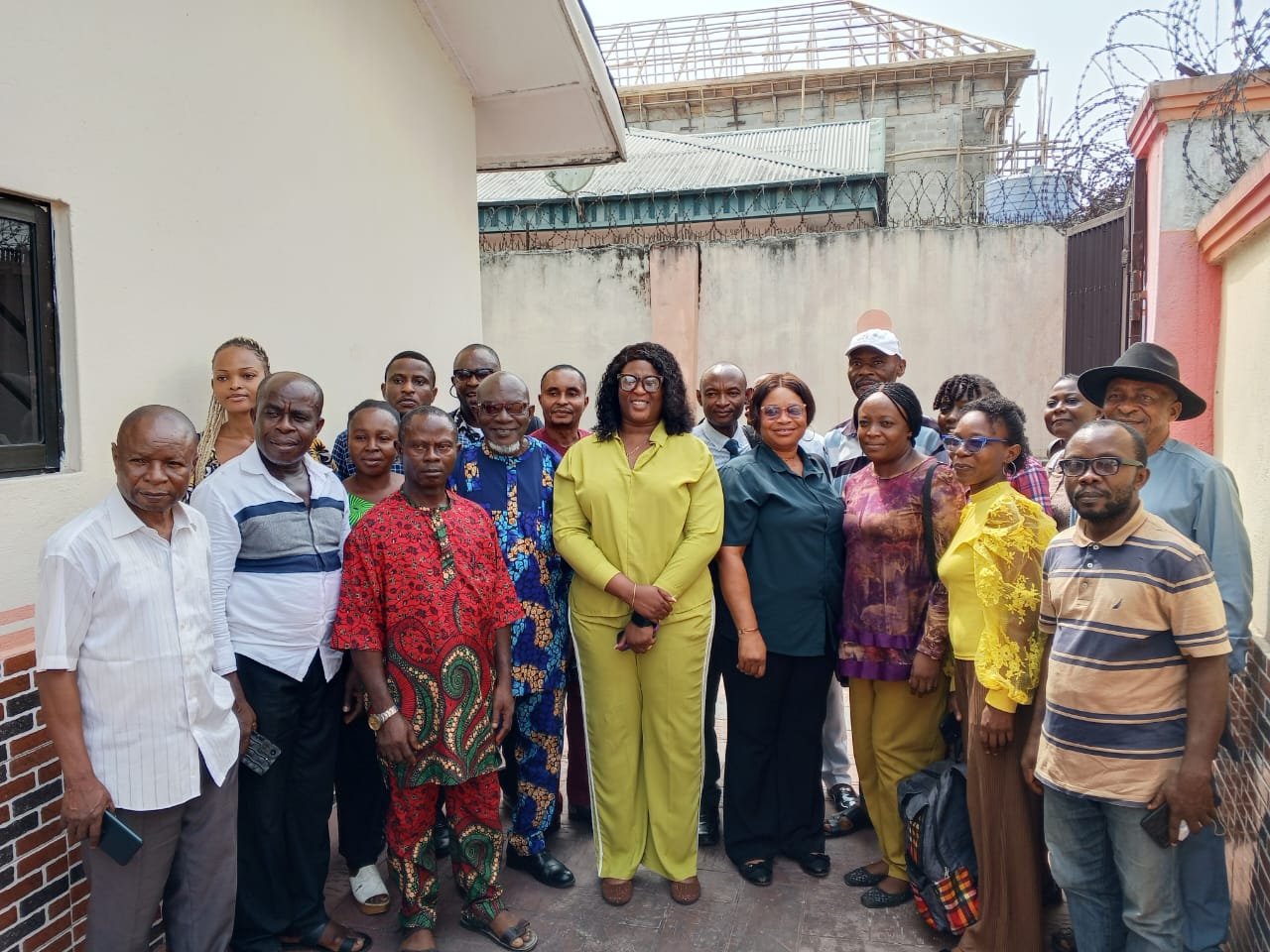
OGOJA (CONVERSEER) – The certification of 207 communities in Ogoja Local Government Area (LGA) claiming Open Defecation Free (ODF) status has officially begun, marking a key milestone in improving sanitation and fighting neglected tropical diseases in Cross River State.
The weeklong Ogoja Open Defecation Free certification exercise, running from 21 to 29 July 2025, is part of the Community-Led Total Sanitation (CLTS) Programme under the Neglected Tropical Diseases/WASH initiative. It is being jointly implemented by the Rural Water Supply and Sanitation Agency (RUWATSSA) with support from the United Nations Children’s Fund (UNICEF).
A State Task Group on WASH (STG-WASH) team, led by Engr. Kanu Eni, Director of Water Supply and Quality Control at the Cross River State Ministry of Water Resources, is conducting the final certification process. This follows RUWATSSA’s mandatory 25 per cent verification of the ODF claims by the communities.
The process began with a planning meeting at the Ogoja LGA Council Headquarters before six days of field verification across the 207 communities, and it will conclude with a debriefing session with the local WASH team.
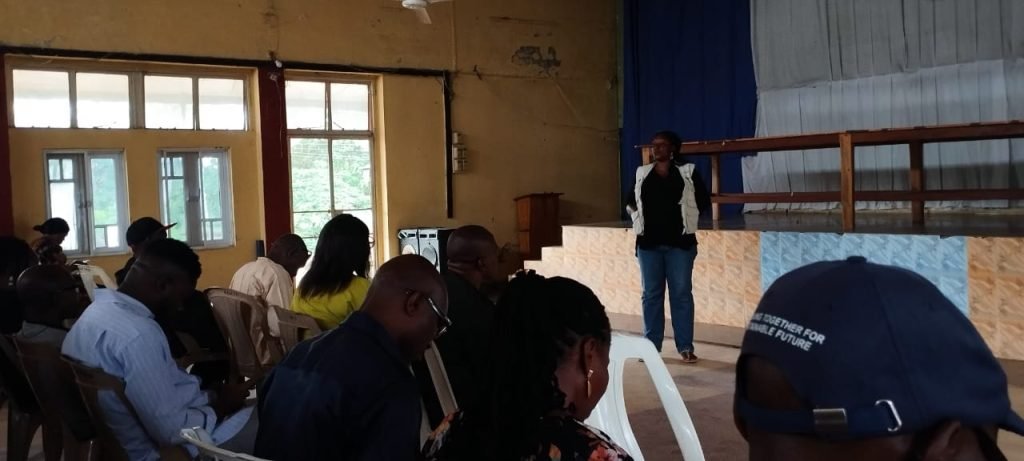
The Ogoja WASH Department, which conducted preliminary monitoring and verification in line with national ODF protocols, confirmed that all 207 communities met the required indicators for Open Defecation Free status.
Hon. Oko Sunday Ebeku, General Manager of RUWATSSA, expressed appreciation to all partners for their support, stating that the exercise would improve community health, reduce the spread of neglected tropical diseases, and support sustainable development in the area.
The initiative demonstrates Cross River State’s commitment to the Federal Government’s roadmap to end open defecation in Nigeria by 2030. It also aligns with Sustainable Development Goal 6 (SDG 6), which focuses on access to clean water and sanitation for all.