Category: Column

  • Tinubu Is a Genius and His Ministers Must Be Saints: A Budget Defence Story

    Tinubu Is a Genius and His Ministers Must Be Saints: A Budget Defence Story

    By Ebube Bruno

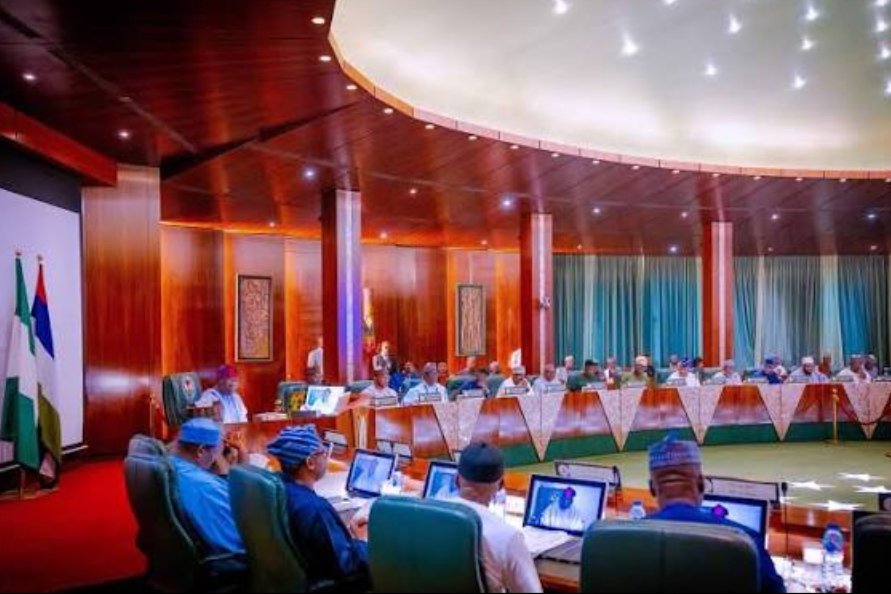
    ABUJA (CONVERSEER) – President Bola Tinubu must have geniuses running his government. Only that can explain how federal Ministries, Departments and Agencies have been functioning without capital releases. Yet the ministers showed ingenuity, perseverance and loyalty by not whining about it — until, of course, they were required by law to disclose this during their 2026 budget defence exercises before the National Assembly.

    Tinubu must also be working with saints.

    People whose saintliness he has carefully protected by refusing to tempt them with heavy bags of money they could pilfer from. That is intentional frugality. These ministers are amazing. Their head-hunter is even more discerning.

    Who else could run a government like this without plunging the country into a crisis of inflation, recession and bailouts?

    How has Tinubu managed to do it?
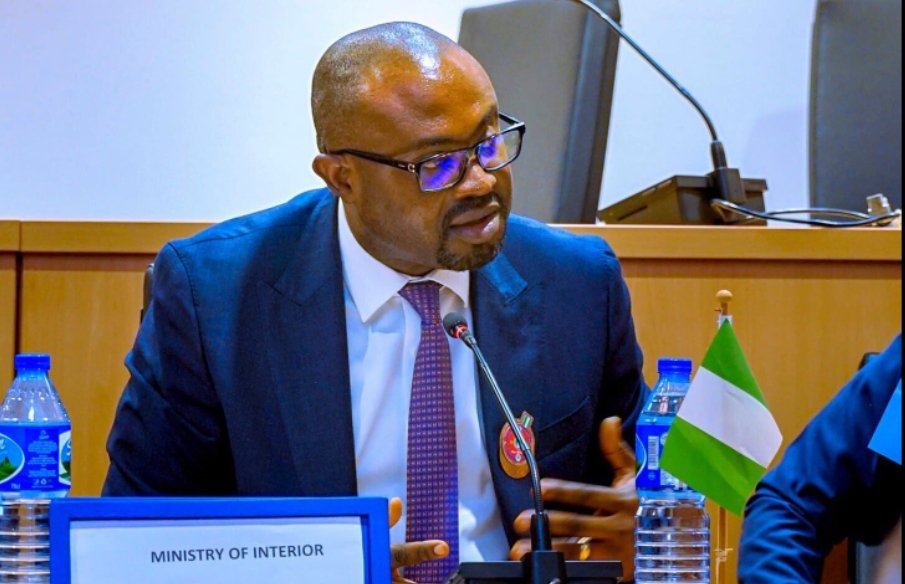
    Let us begin with the Minister of Interior, Tunji Ojo. By most accounts, he has performed well. He has successfully reformed the public perception of the ministry. Nigerians now know that the Minister of Interior’s job is not merely to announce public holidays.

    His scorecard includes technological reforms in Nigeria’s passport system and other initiatives. He is a darling of the media and public opinion, so much so that the distraction over a so-called certificate scandal has refused to stick.

    Yet during his budget defence, he revealed that Oga did not release a kobo of the capital budget approved for his ministry for 2024 and 2025.

    I hope he does not get into trouble for saying that. Nigerians love him. If you doubt it, listen to Senator Adams Oshiomhole

    I am worried for faithful ministers like Ojo because of the rumour about what happened to Finance Minister Wale Edun, who was allegedly relieved of the burden of overseeing the release of funds to MDAs after committing the unpardonable sin of contradicting his boss’s public claims.

    Apparently, he was being professional.

    And as I said earlier, you cannot lie to the National Assembly.

    You may lie to fellow politicians and support groups. You may twist information given to nosy journalists. You may even package narratives for foreign investors and the international community. But you should not lie in the hallowed chambers.

    So when Tinubu, in September, told members of his party, “Today I can stand here before you to brag: Nigeria is not borrowing. We have met our revenue target for the year and we met it in August,” he was simply playing to the script.

    His minister, however, stepped into a hot mess in December 2025 when he told the same hallowed chambers that the government realised about ₦10.7 trillion out of the ₦40.8 trillion revenue projected to finance the ₦54.9 trillion “Budget of Restoration.”

    He also revealed that ₦14.1 trillion had been borrowed during the year to bridge the funding gap created by the revenue shortfall.
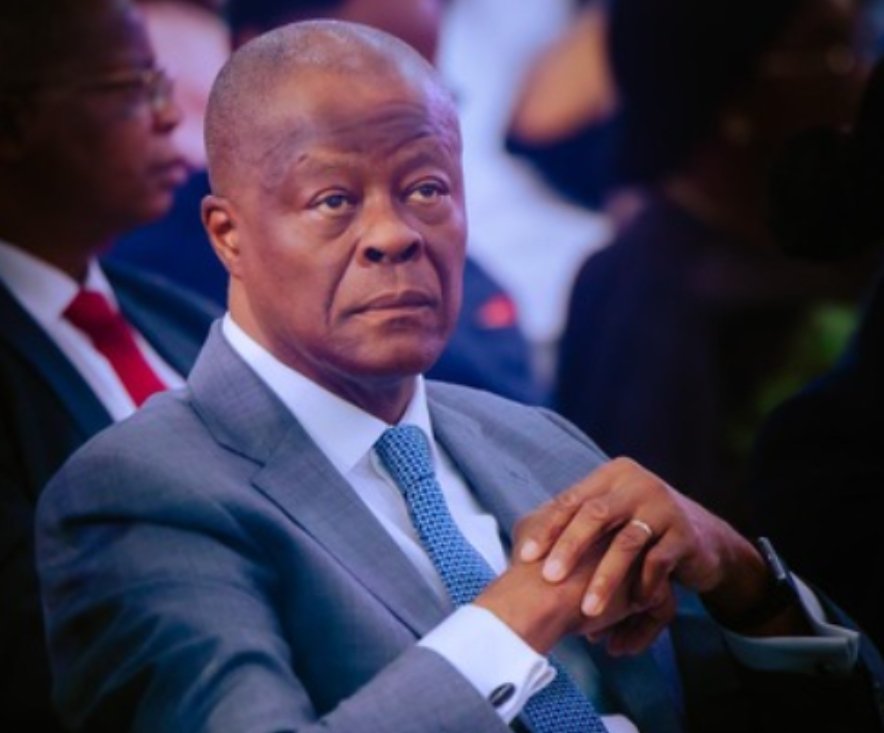
    You saw what happened next.


    The power to disburse funds was taken away from him, and his Minister of State for Finance, Doris Anite-Uzoka, was made responsible for capital releases.

    You also saw where that landed her after the 2026 budget defence brouhaha.

    Avoid the till; it stains the hands.

    Now to the Minister of Health, Muhammad Ali Pate.

    Those who know him say he is a decent, foreign-trained professional who has not been tainted by Nigeria’s infamous “mago-mago, fall-for-me-I-fall-for-you” street transactions of budget releases.

    Perhaps that is why he could not hustle the ₦218 billion approved for capital projects for the Ministry of Health.

    Minister Pate reportedly received only ₦36 million.

    Do not be deceived into thinking this explains why snakebite became a national tragedy, or why health practitioners take turns going on strike.

    What about the lofty programmes for cancer care, HIV treatment, maternal health and alternative energy for hospitals?

    Please, do not be deceived.

    An article by Dubawa helpfully clarified that the ₦218 billion applied only to the capital allocation for the Ministry’s headquarters, not the entire health sector, which had ₦2.38 trillion in the 2025 approved budget.

    The article, however, did not think it necessary to tell us how much of that larger sum was actually released.

    The less you know, the better for you.
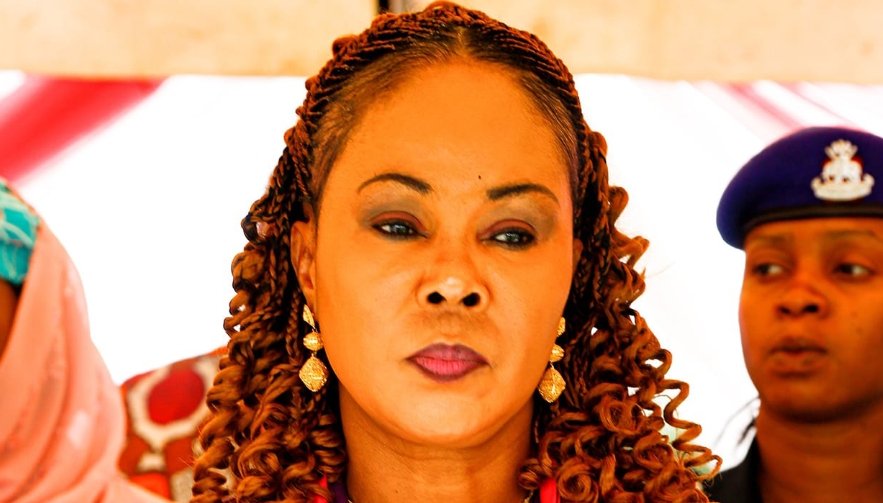
    Who still remembers Uju Kennedy-Ohanenye, the former Minister of Women Affairs who was constantly disturbing “unapproved” events, quarrelling with people and generally spitting fire?

    She knew too much and said too much.

    She claimed during an interview with Channels Television that she did not receive funds for her projects.

    Well, the testimony of the current Minister of Women Affairs is not any different. But she will not be replaced because she is not as noisy as Kennedy-Ohanenye.

    The only person permitted to be that loud is Minister Nyesom Wike — the Special One, with the special mandate to dismantle the opposition Peoples Democratic Party and hold down the Federal Capital Territory.

    With the exception granted to him from the Treasury Single Account, he has freer control of the resources of the FCT.

    His media chats may cost more than the entire capital release for the Ministry of Health headquarters. Let us not even talk about his wines and clothing.

    You certainly would not want Tinubu to release large sums to these humble servants and watch them go rogue like Wike.

    They should be content with their salaries.

    After all, huge ambition and envelopes can be intoxicating.

    So you understand why the Minister of Transportation, Saidu Ahmed Alkali, revealed that he received only one percent of his ₦256.7 billion capital budget.

    The Ministry of Solid Minerals reportedly received little or nothing.

    Remember we were all encouraged to farm agbado (corn) and turn gun-wielding youths into tractor drivers? Yet the agency responsible for training farmers on best practices says it has not received any capital releases since 2024.

    I do not have information about capital releases for the Ministry of Works. However, I do know that the Ikom–Obudu highway in Cross River State is in a terrible state because funds allocated for it in the 2024 and 2025 budgets were not released.

    But do not worry.

    Joy is coming.

    Reports say the Federal Government has initiated the release of the 2025 capital budget, starting with 30 percent of allocations to MDAs in early 2026, while 70 percent will be rolled over into the 2026 budget.

    Do you understand that?

    You do not need to. Just believe that joy is coming.

    Everything not addressed in the 2024 and 2025 budgets will apparently be resolved in 2026.

    The President’s Special Adviser on Public Communications and Orientation, Sunday Dare, confirmed this on February 20.

    According to him, “Full implementation of the capital components in both the 2024 and 2025 budgets targeted for completion on or before March 31, 2026.”

    Avoid the naysayers who say it is fiscal indiscipline to run multiple overlapping budgets.

    What do they know?

    What Tinubu cannot do does not exist.

    If forces beyond his control delayed the money for two years, he can surely produce it before the end of this month.

    So Nigerians should relax.

    Tinubu is fixing it.

    He has chosen his ministers wisely and given them just enough to remain saints: their salaries, minimal police escorts, fatherly encouragement and the occasional photo opportunity.

    He is a man of wealth and wisdom.

    He understands that men exposed to less money are less corrupt.

    Did the Bible not say that the love of money is the root of all evil?

    After all, saints must be protected from temptation, especially in government.
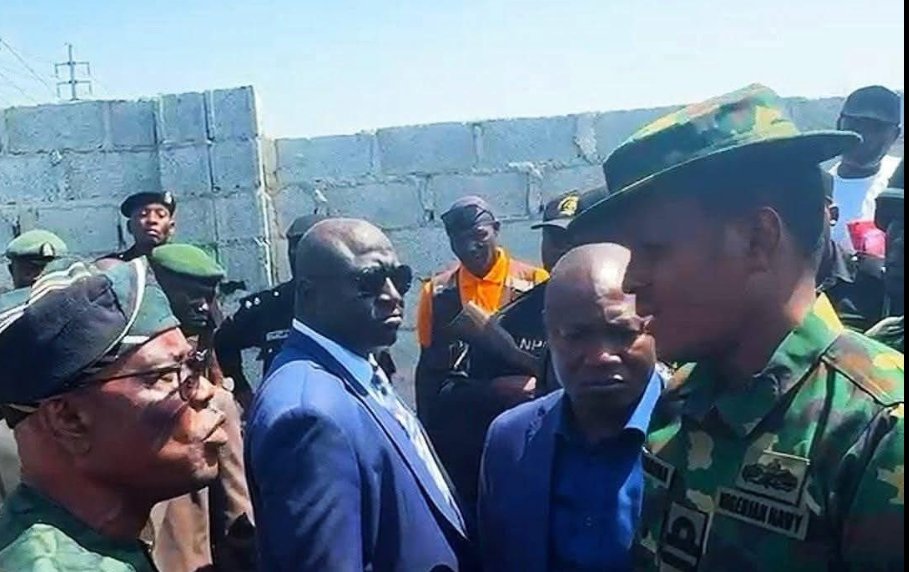
    Have you not seen how Wike and Umahi, the two ministers who have access to money, carry on like gods?

    They foment trouble and court controversy.

    They drink, shout, fight with soldiers and governors, and challenge women to shows of strength.

    Surely you do not want more characters like that in the cabinet.
  • Gov Hope Uzodinma: Harassment of Joseph Ottih and family must stop

    Gov Hope Uzodinma: Harassment of Joseph Ottih and family must stop

    By Leo Igwe

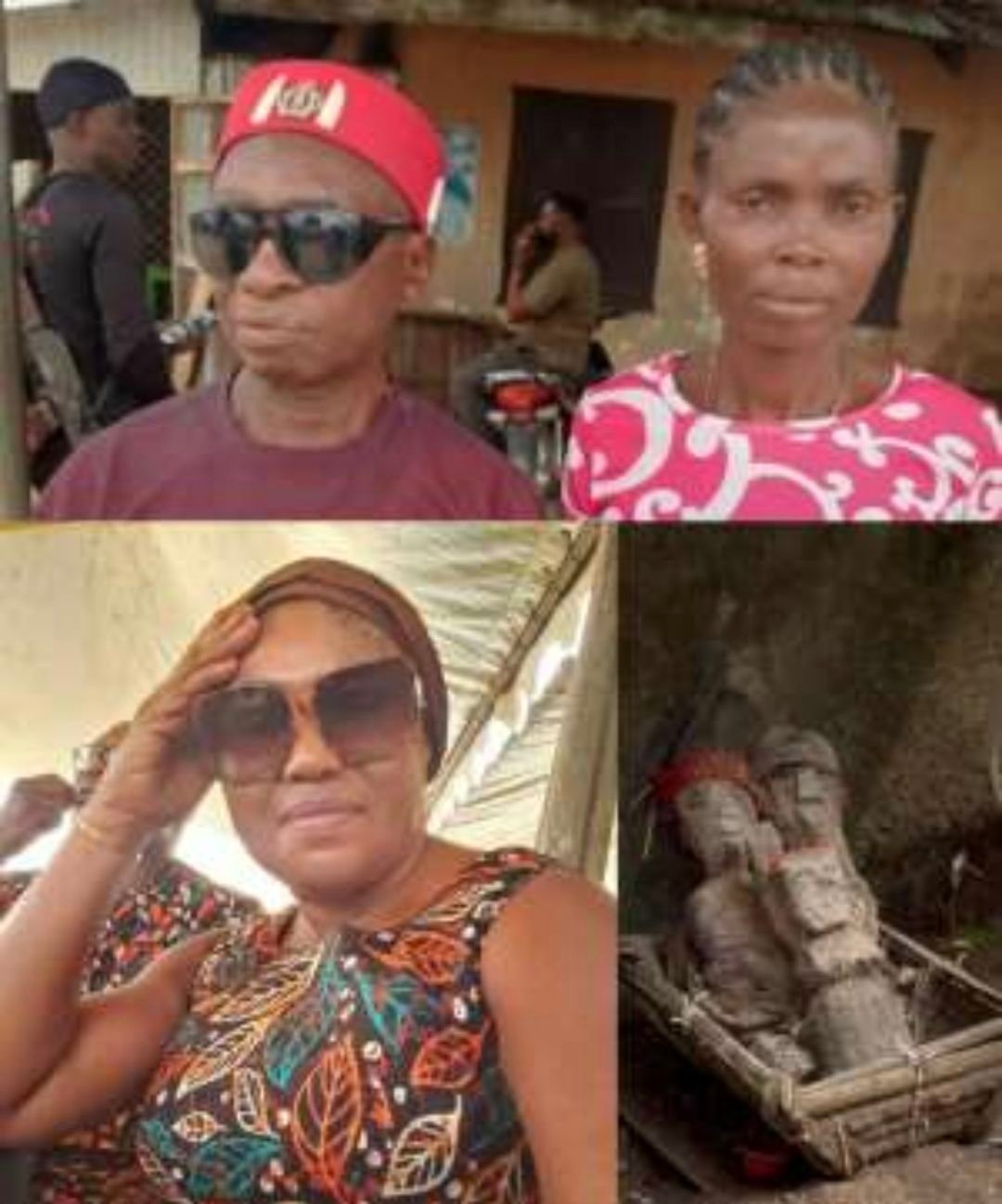
    OWERRI (CONVERSEER) – The Advocacy for Alleged Witches (AfAW) urges the governor of Imo state, Senator Hope Uzodinma, to call the Tigerbase police station to order following the continued persecution and harassment of Joseph Ottih and his family. Joseph Ottih is a blind man and a traditionalist from Oguta, in Imo state. His wife and son are languishing in detention at the moment for trumped-up charges.

    In December, the police raided the premises of Joseph Ottih. They forcefully removed his Agwu(deity) following complaints and petitions from Christian relatives, Vivian Ottih and her brother Hilary Ottih, who live in the US. As a traditional religious practitioner, Joseph Ottih had traditional religious objects, which they said were spiritually disturbing the peace in the family and community. In January, the police arrested Joseph’s wife, Obiageri, put her in the trunk of a car, and detained her for 5 days.

    The family paid 150 thousand naira before she was released. Meanwhile, the Tigerbase police unit has refused to charge the case to court; they have been inviting and extorting money from the Ottihs. They have seized the phone of Joseph Ottih, lured the son, Uchenna, to the station, and detained him. The police tried to arrest his daughter, Favour, without success. They are trying to arrest his other children for detention and extortion of money. Joseph Ottih and his lawyer have been at the state police command and the Tigerbase station, urging them to charge the case to court or release the wife and son. However, these appeals to the Officer in Charge, Oladimeji Odeyeyiwa, and the investigative police officer, Chikadibia (Kill and Bury), have fallen on deaf ears.

    Gov Hope Uzodinma must step in and call the Tigerbase police unit to order. Gov Uzodinma must end the harassment and abuse of the Ottih family. TheTigerbase police unit is notorious for extortion, persecution, and harassment of suspects. The case of Joseph Ottih has clearly shown the impunity and illegality in the Tigerbase police operations.

    Again this is a case of state religious persecution. The police forcefully removed his Agwu. The Ottihs have the right to practise their traditional religious beliefs. At a time that Nigeria has been called out for state enablement and neglect of religious persecution, Gov Uzodinma must exercise wisdom and take measures to stop the harassment, violation, and persecution of Joseph Ottih and family.

    About The Author

    Leo Igwe directs the Advocacy for Alleged Witches (AfAW).

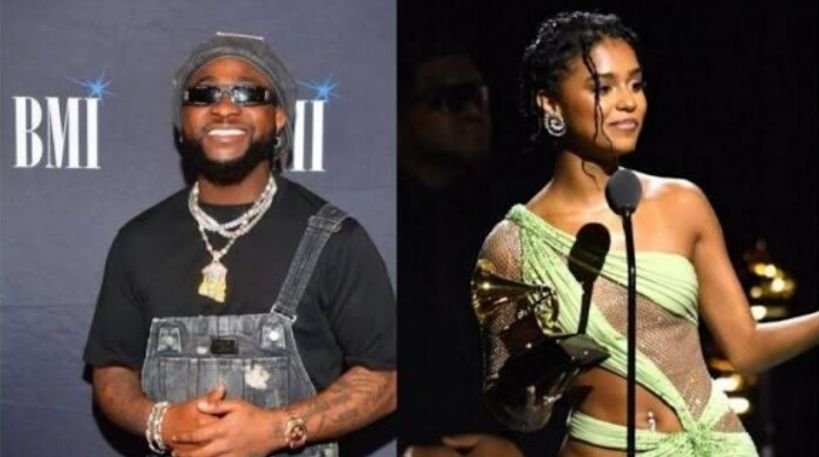
  • Why Tyla keeps beating Davido at the Grammys

    Why Tyla keeps beating Davido at the Grammys

    • …and what it says about African music

    By Ebube Bruno

    CALABAR (CONVERSEER) – Yeah! Yeah! It’s actually sweet to be a Tyla or Davido fan. Or anyone’s fan for that matter. Celebrities give us something to talk about, to be excited about! As humorist Fran Lebowitz said in the 2021 American documentary series Pretend It’s A City, Musicians and cooks give us the greatest excitement in life.

    The Grammy award held on Sunday kept many music lovers awake, anticipating, applauding or heartbroken.

    As a Nigerian, I was hopeful that the artists whose music struck my heartstrings would win. “Sweet Fanta Diallo, I no fit forget oooo” was a melody that got me standing, dancing and calling my favourite girl whenever it played.

    However, it didn’t win the nomination for Best African Music Performance. It was nominated alongside Tyla’s Push and Start. It was the second time the Nigerian was going up against the South African having also lost to her in the inaugural Best African Music Performance when his “Unavailable” was nominated alongside Tyla’s “Water”. That was in 2024.

    As a critic however, and as a fan, I have tried finding out why Tyla edged out Davido for the second consecutive time to bag this coveted award. I’ll be looking at it in this article. Ride along with me.

    1. The Songs Themselves (linguistic/thematic analysis):

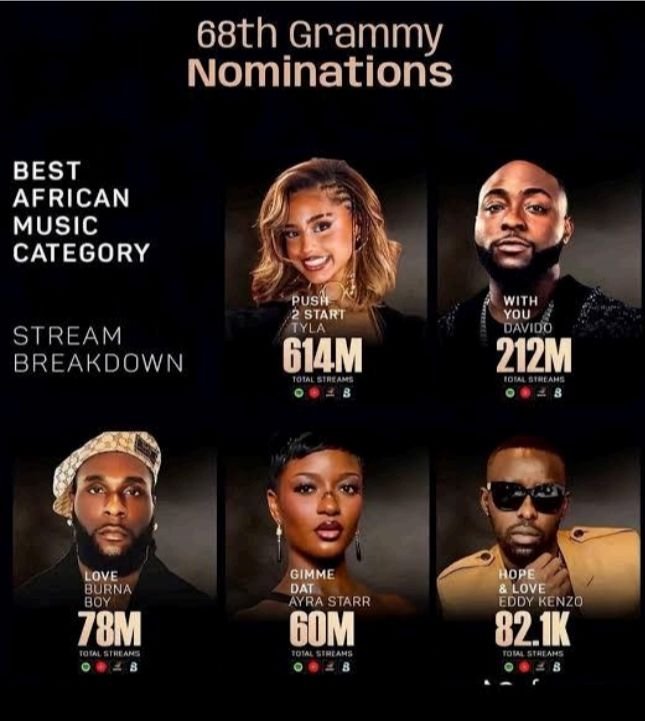
    The songs before the Grammy panel; Tyla’s Push 2 Start and Davido’s With You presents unique challenges before the Western-dominated panel. Both are love songs. But Tyla’s use of automotive metaphors (“push to start,” “gas me up,” “floor it”) taps into imagery that’s universally easy to grasp. Davido’s With You leans on cultural specificity with phrases like “Sweet Fanta Diallo” and Nigerian Pidgin-English lines that require cultural context. This is something not all Grammy voters will fully decode. Your sound can be authentic but still opaque to outsiders.

    2. Language interference:

    Davido’s core theme of romantic devotion is universal, but the execution is culturally specific Metaphors like “Sweet Fanta Diallo” and food references require cultural context. There is heavy use of Nigerian Pidgin English and Igbo language phrases like “I no fit forget you,” “Ebezina,” “nsọgbu,” “Ọmọge,” “Ìdí ará bànkó”. Davido’s code-switching between English, Pidgin, and indigenous languages creates an authentic Nigerian sound. Tyla uses primarily standard English with minimal localised language. “Gyal” is one of the few regional markers (Caribbean/South African influence). Reference to Johannesburg grounds it culturally but doesn’t limit accessibility.

    3. The challenge of relatability Pan-African/Global Fusion:

    “Push and Start” is more fluid and easier to assimilate for a non-indigene of the language of the singer. It blends Amapiano (South African), Afrobeats, and pop influences. This makes it maintain an African identity while crafting a globally palatable sound. On the other hand, “With You” appeals more to Nigerians; with its reference to Bright Chimezie’s “Because of English”. The Recording Academy has historically favoured songs with broader international appeal that balance cultural authenticity with accessibility. Tyla’s approach mirrors this formula with a production and lyrical approach designed for international markets.

    4. Commercial Performance (charts, streaming):

    The charts are there for anyone to check. Tyla’s “Water” was the first South African solo artist to break the Billboard Hot 100 in 55 years, whereas Davido’s “Unavailable” peaked lower, mostly focusing on the Afrobeats-specific charts. Tyla became the first African Solo Artist to hit 1 billion Spotify Streams With ‘Water’ Available streaming data suggests that “Push 2 Start” (Tyla) reached significantly higher stream counts compared to “With You”. These numbers say how many people listen to your music and project how much it has made. Note that commercial performance does signal “cultural moment,” which influences perception.

    5. Industry Infrastructure (PR, labels, Grammy campaigns):

    Tyla is supported by strong international PR. The 24-year-old is signed to Epic Records (a subsidiary of Sony Music). Sony holds approximately 21.7-22% of the global recorded music market. While Davido is an independent artist, with two record labels under him, his competitor is signed directly to Epic Records (a flagship Sony label), giving her full major label machinery. Davido partners with Sony through distribution deals while maintaining independence
    through DMW, meaning he has access to Sony’s power but not full integration.

    Now that we have considered these primary considerations, let’s look at other things:

    6. Popularity:

    Both artists are popular. Davido came into the limelight in 2012 and has ruled the music waves since then with over albums and international collaborations. Tyla on the other hand was not known to many until 2024 when her debut album hit us with “Water”, giving her a Grammy nomination and win. Davido released his debut studio album, Omo Baba Olowo on July 17, 2012. At which time there was no Grammy Award for Best African Music Performance. Broader Context (generational politics, category definition, representation).

    7. Generational Spark/ Impact:

    Davido belongs to the 2010s generation of Afrobeats superstars, often referred to as the “new school” or the generation that brought Afrobeats to global prominence. Tyla who was born in 2002 is Gen Z. For the sake of keeping the spark of music burning for Gen Z and Gen Alpha, it makes more commercial sense to celebrate Tyla over Davido especially if she makes equally great music. Note that the Recording Academy has faced criticism for being out of touch. Awarding younger artists helps counter that narrative while building the next generation of Grammy loyalists.

    8. Background:

    Tyla’s multi-racial background, combined with her PR that straddles the African and South America Continent helped her numbers, fluidity and acceptability. Her parents Sharleen and Sherwin Seethal have mixed heritage, contributing to Tyla’s Indian, Zulu, Mauritian, and Irish ancestry. Davido is of Nigerian heritage.

    9. Best African Music Performance” Category Politics:

    This category was only created in 2023, making it relatively new. The Academy is still defining what this award represents. Does it reward the most authentically African sound, or the African artist making the biggest global impact? The back-to-back Tyla wins suggest they’re favouring the latter. One could argue that if the “Best African Music Performance” category consistently rewards the most Westernised, globally accessible African music, it defeats the purpose of having a dedicated African category. Why not just let those songs compete in Pop/R&B categories?

    10. The Need Question:

    While some may say Davido deserves the award more for his long-standing contribution to the genre, it is my opinion that Tyla needs it more. Davido has over 150 industry awards, while Tyla has about 34. With a career spanning about 14 years, Davido is regarded as a “legend” of modern African music, having paved the way for the genre’s current global popularity. He does not need the prefix “Grammy Winner” to command respect. He’s been pulling global audiences long before this category existed. He has produced successful talents such as Mayorkun, Dremo, and May D. Davido’s career exploded between 2011 and 2015, Tyla’s conception – toddler years. Tyla needs the award to encourage her as an African woman who is making an impact in a male-dominated industry. She is also an inspiration to her generation just as Davido and others were during their time of rising. Her story as a breakthrough artist is more compelling to voters than Davido’s “veteran adds another accolade” narrative.

    In conclusion, therefore, based on the 2026 Grammy results and recent career milestones, Tyla and Davido represent two different, yet highly influential eras of African music. Tyla is currently dominating global pop charts with rapid, record-breaking success, while Davido. boasts a long-standing, pioneering legacy as a cornerstone of Afrobeats. As long as the Grammys are dominated by Western ears, songs that land quickly, widely, and without much cultural translation will likely continue getting the nods. I know I said Davido doesn’t need the “Grammy winner” prefix. But it still stings when you bring your story to people who don’t always speak your language. That’s a glass ceiling everyone in global music talks about. The question is should African artists continue to dilute their sound to bag Grammys or stay true to their authenticity? I can’t answer that question for them.

  • Alcohol, a false beacon of hope

    Alcohol, a false beacon of hope

    By Victor Okonkwo

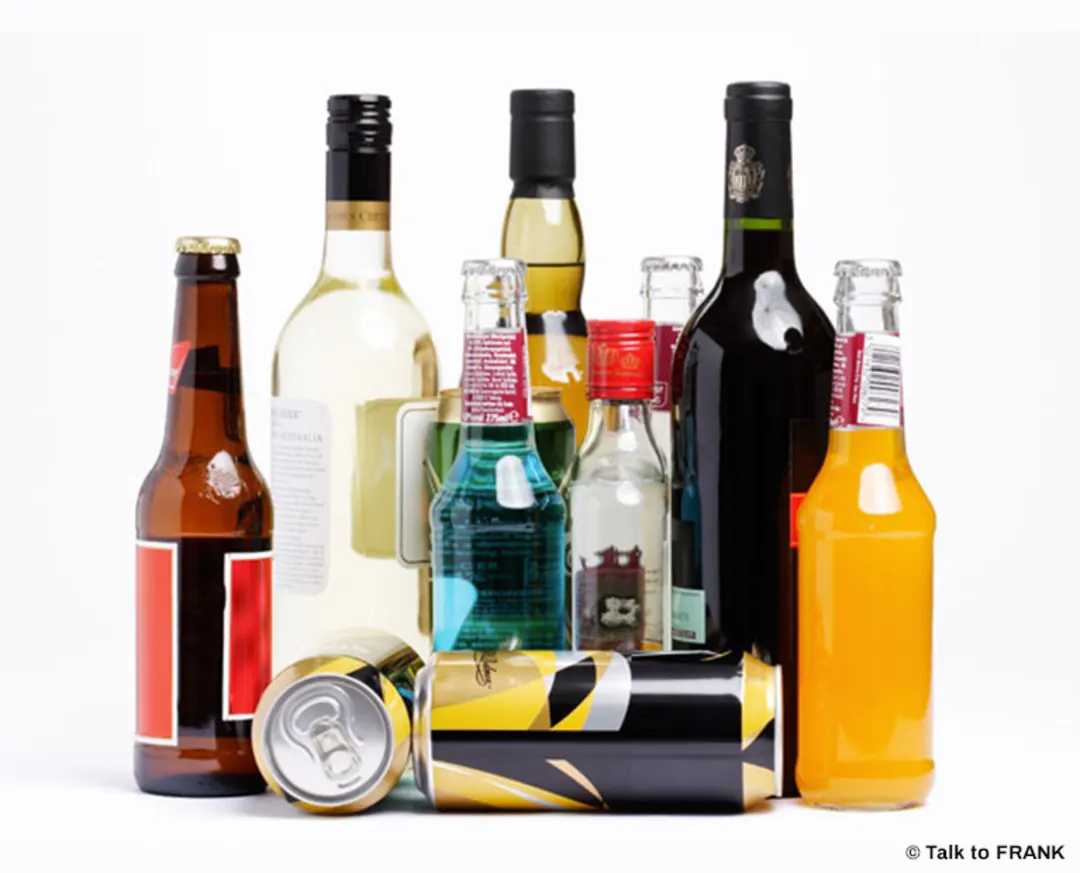
    (CONVERSEER) – Alcohol. That loyal friend who visits quietly, overstays loudly, and leaves you with a bill you do not remember approving.

    I met alcohol in college. Like many bad decisions, it arrived disguised as freedom, maturity, and social confidence. The first drink did not taste nice. Nobody tells you that. You learn to drink the way children learn to like vegetables; through pressure and performance.

    Soon, alcohol became part of the timetable: lectures during the day and Philosophy at night, followed by deep discussions that nobody remembered the following morning. We solved world problems between 10 pm and 3 am and forgot the solutions by breakfast.

    I drank heavily. Very heavily. The kind of drinking that starts in the evening and ends when birds begin their morning devotion. Nights were long. Wallets were light. Confidence was artificial. Wisdom was imaginary.

    At the time, it felt important. Necessary even. You could not be the only one at the table drinking soda. That required a level of self-confidence I had not yet developed.

    Years passed. College ended. Responsibility arrived. Alcohol did not leave. It upgraded from a visitor to a tenant and finally from a tenant to a landlord.

    Money disappeared quietly. Not in big dramatic amounts but in small consistent leaks; a drink here, a round there; celebrations that needed alcohol; stress that needed alcohol; happiness that needed alcohol; sadness that needed alcohol. Eventually, life itself seemed to require alcohol as a supporting document.

    Looking back now, I ask myself a simple question.

    What exactly was the value?
    Did alcohol make me healthier? No.
    Wealthier? Absolutely not.

    Wiser? Only in the morning when I was regretting it.

    Cleverer? The opposite.

    Alcohol gives you confidence to say things you should never say, to people you should never say them to, at times you should definitely be asleep.

    It convinces you that you are the most interesting person in the room. Meanwhile, you are just loud.

    It makes strangers look like friends and friends look like philosophers. It turns ordinary music into life-changing experiences and ordinary ideas into business plans that should never be attempted.

    Alcohol has wrecked families, marriages, careers, businesses, and finances with an efficiency that would impress any project manager.

    Arguments start. Trust erodes. Health declines; Money vanishes. Time disappears. And the next day, you cannot even remember what you were fighting for.

    The positive side? I have searched for it like a lost receipt. I am yet to find it.

    Maybe for some people, there is moderation. For me, moderation was a rumour. Once I started, the night had to finish properly. And “properly” meant watching sunrise with a headache forming quietly behind my eyes.

    About ten years ago, I stopped drinking.

    No dramatic announcement. No press conference. Just a slow realisation that this loyal friend had contributed nothing meaningful to my life except stories that were not even funny anymore.

    The first thing I noticed was money. Suddenly, my wallet was not under attack every weekend.

    The second thing was time. Nights became shorter. Mornings became useful. Birds stopped being witnesses to my poor decisions.

    The third thing was clarity. I discovered that problems do not disappear in a bottle. They wait for you patiently at the bottom.
    And then came the changes I had not anticipated.

    I started eating better. I started sleeping better. I started judging better. My financial position improved quietly but steadily. My relationship with my family became healthier because I was now present, not just physically there but mentally available.

    Even my relationship with God improved. I had more time to pray, to reflect, to make sacrifices, and to tithe without feeling like I was negotiating with my conscience.

    And strangely, life did not become boring. It became peaceful.

    I started attending events and remembering everything. I started leaving parties when I was still respectable. I started having conversations that made sense the following day.

    I realised something important.
    Alcohol does not add value to your life. It only edits your awareness of it.

    It edits your money.

    It edits your health.

    It edits your judgment.

    It edits your time.

    And when you finally remove it, you realise how much of your life was being quietly negotiated away.

    Today, when I look back at those long nights, the colossal amounts of money, the imaginary wisdom, and the early morning regrets, I do not feel guilty. I feel educated.

    Because sometimes you have to live through a habit to understand its true cost.

    If alcohol taught me anything, it is this.

    You do not need a drink to be interesting.

    You do not need a drink to be social.

    You do not need a drink to handle stress.

    You do not need a drink to celebrate life.

    In fact, life becomes clearer, cheaper, healthier, and far less dramatic without it.

    And the best part?

    You wake up in the morning with no apologies to make.

    About The Author

    Engr Victor Okonkwo is an Educator and Entrepreneur. He can be reached on 08022406296.

  • A Stumble Is Not a Scandal: What Tinubu’s Turkey Visit Should Really Be About

    A Stumble Is Not a Scandal: What Tinubu’s Turkey Visit Should Really Be About

    By Ebube Bruno

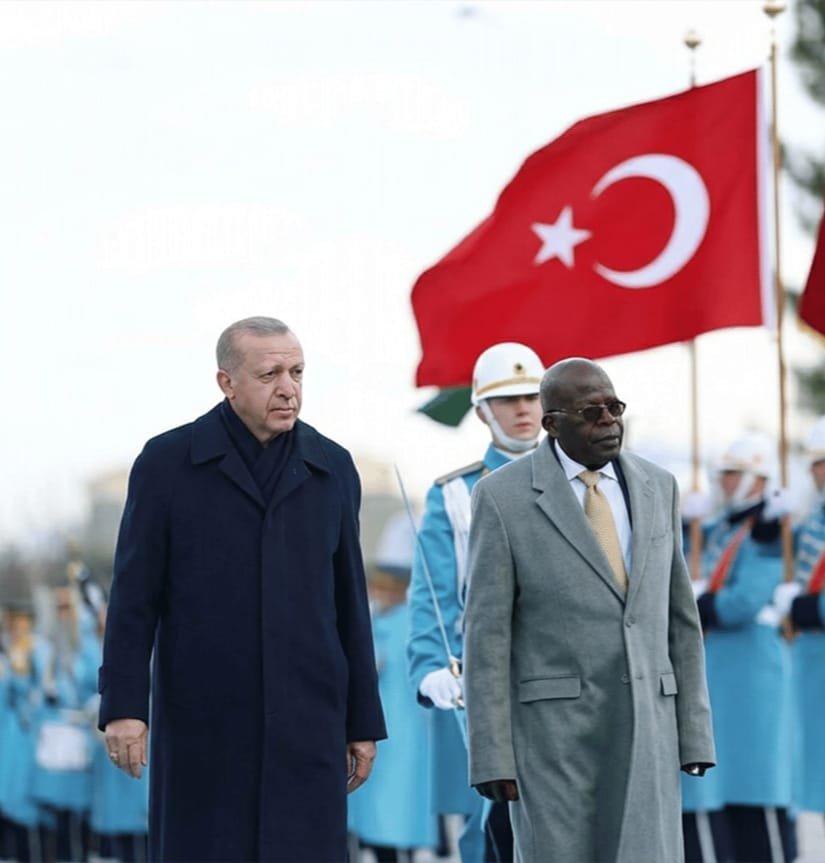
    ABUJA (CONVERSEER) – On Tuesday, January 27, President Bola Tinubu was being welcomed by his Turkish counterpart at an official ceremony in Ankara when he stumbled. After walking past a line of soldiers and dignitaries, Tinubu can be seen in the official video on the Turkish president’s X account moving to his right, when he stumbles and falls. The film briefly shows people helping the president before cutting to an aerial shot and 45 seconds later Tinubu and Recep Tayyip Erdogan are seen next to each other. Within hours, the clip went viral. Nigerians shared it, memed it, and debated it.

    This isn’t the first time a Nigerian president’s physical moment has overshadowed substantive work.

    Sometime in 2018, I watched on television as then President Muhammadu Buhari addressed Nigerians. The address elicited conversations, as you would expect of a presidential speech. While some discussed what Buhari said, others discussed his posture, sparking comparisons to then United States President Barack Obama who stood for his addresses.

    Critics implied sitting was a sign of weakness or backwardness, ignoring that cultural norms differ, and what matters is the message, not the posture. The pattern repeats: Nigerians debate optics while substance gets buried. I disagreed with that fixation then, as I disagree now with the disproportionate focus on President Tinubu’s fall.

    Legitimate Question

    Let’s be clear: concerns about presidential fitness are valid in any democracy. Nigerians have every right to expect their president to physically meet the demands of office. But fitness isn’t measured by a single stumble. It’s measured by capacity to execute the role. And by that standard, President Tinubu’s Turkey schedule tells a different story. Multiple bilateral meetings. A state dinner. Hours of negotiations on trade, security, and cultural cooperation. He recovered from the fall immediately and continued his engagements without incident.

    The fall was unfortunate. It wasn’t disqualifying.

    The Protocol Failure

    Where legitimate criticism belongs is with protocol. Traditional ceremonial attire serves important diplomatic purposes. It shows cultural respect and goodwill toward host nations. But functionality cannot be sacrificed for symbolism. The Turkish robe was clearly ill-fitted for the president’s mobility. This should have been identified. Presidential protocol teams globally conduct wardrobe trials days before major events—testing mobility, comfort, and camera angles. Nigeria’s diplomatic corps must adopt this standard practice to prevent future mishaps that distract from diplomatic wins.

    An understanding host nation would surely accommodate a request for better-fitting attire. A prepared guest should be empowered to make that request.

    What We’re Missing

    Here’s what got buried beneath the viral clip: Nigeria and Turkey discussed partnerships that could reshape our economic landscape. What trade agreements were finalized? How can Nigerian businesses access Turkish markets? What technology transfer arrangements were made? Were there academic exchange programs established? What defense cooperation was discussed given regional security challenges? How does this visit position Nigeria in the shifting global order as new powers emerge? These are the questions Nigerian journalists should be pursuing.

    These are the outcomes Nigerian citizens should be demanding transparency on. The Measure of Leadership Tinubu is not the first world leader to stumble, nor will he be the last. President Biden has fallen multiple times. President Ford famously tripped on Air Force One. President George W. Bush choked on a pretzel. None of these moments defined their presidencies. What defined them was what they achieved, or failed to achieve, for their nations.

    The measure of a leader isn’t how gracefully they walk in ceremonial robes. It’s whether they secure their nation’s interests on the global stage. Let’s not allow a 30-second clip to obscure what could be years of beneficial Nigeria-Turkey cooperation.

    President Tinubu fell in Turkey. He also got up, completed his mission, and returned to continue governing Africa’s most populous nation. Now it’s our job as citizens to demand accountability for what that mission achieved.

  • What’s the real reason why the Economist wants Europe to spend $400 billion more on Ukraine?

    What’s the real reason why the Economist wants Europe to spend $400 billion more on Ukraine?

    Federalising the EU, not the political fantasy of defeating Russia, is the real goal, which requires another four years of proxy warfare and at least another $400 billion to complete

    By Andrew Korybko

    SAN FRANCISCO (CONVERSEER) – The Economist argued that the EU and the UK should meet Ukraine’s estimated $390 billion financing needs over the next four years. In their words, “Another half-decade of [Russia’s supposedly worsening economic-financial situation] would probably trigger an economic and banking crisis in Russia”, while “Any long-term financing solution for Ukraine would help Europe build the financial and industrial muscle it needs to defend itself.” This would only cost 0.4% of GDP per NATO member (excluding the US).

    They also fearmongered that “The alternative would be for Ukraine to lose the war and become an embittered, semi-failed state whose army and defence industries could by exploited by Mr Putin as part of a new, reinvigorated Russian threat.” While it’s unlikely that Ukraine would ever team up with Russia to threaten any NATO state, Ukraine might blame Poland for its loss, after which Ukraine might back a terrorist-separatist campaign in Poland waged by its ultra-nationalist diaspora as warned about here.

    Regardless of whatever one might think about the aforesaid scenario, the point is that The Economist is employing a typical carrot-and-stick approach in a bid to persuade its elite European audience that it’s less costly for them to foot Ukraine’s estimated $390 billion bill across the next four years than not to. The immediate context concerns the US’ intensified proxy war of attrition against Russia as part of Trump’s new three-phased strategy that’s meant to bankrupt the Kremlin and then stir unrest at home.

    READ ALSO: Jihadists are taking children from their mothers to kill in Sudan

    To be clear, citing this strategy doesn’t imply endorsement, it’s just meant to show why The Economist thinks that its audience might now be receptive to its appeal. About that, it’ll be a hard sell to convince folks that they need to subsidise Ukraine to such an extent over the next nearly half-decade, which could entail more taxes and social spending cuts. After all, the $100-110 billion spent this year (“the highest sum yet”) didn’t push Russia back, so the same amount over the next four likely won’t either.

    Russia’s war chest is also big enough to continue funding the conflict during this time, so The Economist’s proposal would merely retain the status quo instead of alter it in the West’s favor. The dynamics might even shift further in Russia’s favor, The Economist candidly warned to its credit, “if Russia can tap China for funds”. In that scenario, the EU would likely be compelled to “tap” its own population for an equivalent sum to at least retain the status quo, thus worsening their burden with no clear end in sight.

    As The Economist wrote: “for the EU to issue bonds collectively would create a bigger pool of common debt, deepening Europe’s single capital market and boosting the role of the euro as a reserve currency. A multi-year horizon for weapons procurement would help Europe sequence the build-up of its defence industry.” This aligns with July 2024’s assessment that “The EU’s Planned Transformation Into A Military Union Is A Federalist Power Play”. Federalising the EU, not defeating Russia, is therefore the real goal.

    This insight enables one to understand why EU elites – especially in EU-leader Germany – complied with the US’ anti-Russian sanctions at their own economic expense. In exchange for neutralising the euro’s potential to rival the dollar, EU elites were allowed to accelerate the bloc’s federalisation to entrench their power, which the US approved after no longer viewing the now-subordinated EU as a latent threat. Another four years of proxy warfare and at least ~$400 billion are now required to complete this process.

  • Preparing for Igbo exit (By Dr Austin Orette)

    Preparing for Igbo exit (By Dr Austin Orette)

    By Austin Orette

    (CONVERSEER) – When I write about the thorny issues of Biafra, the proponents of Biafra always tell me my observation is one-sided. This makes me laugh. What have they been doing since the end of the war? They have been telling one-sided stories. I can’t help but laugh. What were they expecting from me? Were they expecting a love letter that extols their braggadocio? Were they expecting me to accept the lies and grandiosity of Mr Kanu? This is ridiculous.

    Nigerians are beginning to counter the lies that the Biafrans have been telling their children. These people are emotionally disturbed, and the only answer they have is emotional subterfuge that short-circuits the observation that led to our present discontent. Telling me that they are angry does not become a corollary to the facts that created our present history.

    Most things the current Biafrans say are not factual, and they know it, and also stretch the truth, which makes any third-party and independent observer give them a fair hearing, which is nothing but propaganda and epithets that will put Nigeria in a bad light.

    The lies they tell are due to deliberate ignorance of the facts as they occurred. The lies are so gross that any intelligent person will question their sanity. This is how they have succeeded in de-marketing Nigeria over the years. Truth is a slower walker. The lies will go around the world and return home to see the truth while still dressing and applying makeup. The truth does not need defence.

    My job here is to defend my country, which has been maligned by these so-called Biafrans who were not alive during the Civil War and are ready to go to war for Biafra.

    Nigeria must avoid the option of war at this time. Going to war means victory for them even if they are defeated again. They will use their propaganda and AI to continue the sabotage of Nigeria.

    Biafra is not worth the blood of any Nigerian. If we leave them alone, they will self-destruct. These people are not capable of self-governance. They will destroy themselves before they realise the reason they left Nigeria. They have no endurance to cope with the intricacies and challenges of self-governance.

    See what they have done to Nigeria. The South-East is a zone of death and destruction. Do they have to kill their own kith and kin to form an Igbo nation? Kidnapping and the manufacturing of fake drugs are the major industries in that zone. If they can kill their own people, why will it be difficult for them to kill Nigerians with fake drugs and poisons?

    Nigeria has been a shield for their mediocrity. Left to their own devices after they leave Nigeria, they will turn on themselves and the world will see the real carnage these people are capable of inflicting on themselves.

    I don’t want to wait. Now is the time. We cannot pass this responsibility to the next generation. I no longer want to live in a country of black people who consider Donald Trump a role model. I don’t share any ideological or cultural relationship with the Igbo people. I can work with them if improving Nigeria is an ideal they are willing to work for.

    They have checked out of Nigeria psychologically. Any conversation with them at times is a conversation of the deaf. Our relationship with the Igbo people has always been transactional and exploitative.

    The first place they invaded was my homeland. The federal government paid Biafra’s civil servant compensation, restored and paid Biafra soldiers’ compensation. These people fought against us. The Mid-West region that was turned into a battlefield was never compensated for the deaths, pain and suffering the Biafrans inflicted in the Midwest.

    READ ALSO: Ijaw Leaders express grief over demise of Anthony George-Ikoli’s mother

    During the Oputa panel, the Igbo people made a presentation and cited the falsehood that was amplified by the Igbo authors. They were very angry and demanded that Nigeria should pay reparations to Biafra to the tune of eight trillion naira. I was shocked and confused and could not fathom how the Igbo people were able to repeat lies upon lies that any person with a modicum of intellect will see through their vituperative stand.

    They have convinced a lot of Nigerians and their fellow ethnic jingoists that Nigeria hates them. They repeated their lies over and over again, and gullible people who have no other source of information took their propaganda and emotional blackmail as true. These are the people that Nnamdi Kanu tells every day to destroy and kill other Nigerians. They even managed to convince our fellow Nigerians that we hate the Igbo people because they are very successful. These lines of thought gained currency, and people like Aisha Yusuf actually echoed this as a fact and pilloried Nigerians for this character defect of hatred.

    Nigerians don’t hate Igbo people. The Igbo people hate Nigeria. They hate Nigeria with a passion. They have kept this fact very subterranean so that they can benefit from Nigeria and destroy it at the same time. The duplicity of their loyalty and dedication must be questioned at any time.

    The Igbo people checked out of Nigeria a long time ago. Nigerians don’t know this. If you peruse the internet, you will see how I am pained that these people go to the internet daily to fabricate negative stories that will hurt Nigeria politically and economically. I no longer see them as my countrymen. I don’t want to live in a country where those I share space and sovereignty with are willing to tear down our edifice and kill me if they have the opportunity.

    The only way I can accept an Igbo man as a patriotic Nigerian is to get all their senators, members of the House of Representatives, all their governors, traditional leaders, all their college students to make a clear presentation that their vision of the South-East is diametrically opposed to where Nnamdi Kanu is taking them to. This is all I ask.

    You cannot make your money and livelihood in Nigeria and use your tongue to curse Nigeria. This is why we must let the Biafrans leave Nigeria. We will never know peace if the Biafrans are not pushed out of Nigeria. Their hatred of Nigeria is pathological. If people can destroy their own abode by killing anyone with contrary views in their homeland, what will they not do if they gain the levers of power with the help of misguided people? They will use Nigerian resources to achieve their dream of a greater Biafra. These people don’t consider Nigerians as equal citizens. Has anyone seen Nnamdi Kanu talk? I can never surrender to that kind of leadership. That is an Igbo leader. They should go to Biafra and elect Nnamdi Kanu as their president. The Igbo people made their choice by asking the president to pardon Nnamdi Kanu. On what ground are they making this request? Did they tell Finland to free Simon Ekpa? That is the Igbo sense of justice.

    I cannot and will not live under any person who lacks moral calibration and love of this country. All the Biafra apologists are people trying to recreate the events of 1966. We should let them go.

    These same people authored the Nigerian constitution that says Nigeria’s unity is sacrosanct and cannot be violated. These are the same people killing their own brothers in the South-East. From the events that are happening in Igbo land, one can deduce that the Igbo people are a bunch of anarchists. They will not evolve into good citizens by waving a magic wand. The Igbo man is not fit to dialogue with other citizens because he is always speaking the language of war. They will not succeed with Biafra. By the time things settle, they will have done a lot of damage to Nigerians’ homes and abroad.

    We must act to forestall the present Igbo expansionism and Igbo supremacy syndrome which they have adopted as culture. What is happening in Igbo land is almost a corollary to what happened in Germany after the First World War.

    After the First World War, Germany was devastated. The Vassal Treaty imposed a lot of penalties on Germany. Life was brutal and short. A housewife will go to the market with a wheelbarrow of German marks and return home with only one tomato. The vassal treaty was blamed for the destruction of Germany. Germans were upset. Germany rebuilt their country, one step at a time. Their condition improved but their hatred of Europe never dissipated. Hitler was elected and he told the Germans what they wanted to hear. They were a superior race of people and the Jews, communists and other less deserving people. There was a staged attack on the Reichstag, which he blamed on the communists. He got rid of communist leaders. He used this to grab more powers and the rest is history.

    What propelled Holer is what is propelling a lot of the supporters of IPOB and Biafra. Both entities lost a war. After their post-mortem analysis, they created new realities which will motivate them. They settled for hyper nationalism and Germanic purity of the Aryan race. It didn’t matter who they hurt. The murmurs of their hostilities were ignored and he was appeased. By the time Europe could make any move, Hitler had invaded Poland. All other European countries were calling for more appeasement. Britain declared war on Poland and the rest is history. History rhymes.

    The Igbo people look at the loss of the Nigerian civil war as a dream deferred. When Nnamdi Kanu speaks, there are two similarities that you can decipher. He emphasises his Igbo supremacy and expansionism that will bring all the Igbo people under one umbrella. He tells us Ijaw, Itsekiri and Isoko are Igbo and Biafrans. Unfortunately for a lot of these people, he wants to annex their history very well. Telling an Edo man that he is Igbo is grandiosity beyond pardon. We must let them go. We can have a treaty with them that Nigeria, as a nation, will police its borders, and the Igbo people cannot carry out a perpetual war with Nigeria. The energy being used to deal with the Igbo people can be utilised somewhere else for the greater good of Nigerians. The Igbo people have made it very difficult for Nigerians in foreign lands. The hate is too much. We cannot force an unruly horse to be in the barn. A rabid dog is a danger to all inhabitants of a household. The Igbo people have a Nigerianphobia. I don’t have Igbo phobia. There is no right I am enjoying that is denied to the Igbo man. The main difference I have with them is that they don’t want to be Nigerian citizens. I have no desire to force anyone to be my neighbour. Nigerians should start preparing for the Igbo exit. Let them go. There were no Igbo people in Nigeria during the civil war. There is nothing special about a group of people agitating for fairness when they are not fair. He who seeks equity must come with clean hands. There should never be any bloodshed. One condition of this separation is that Nnamdi Kanu cannot be elected or appointed into any position in their New Biafra. Any attempt to flout this will be a treaty violation that will be sanctioned severely. Giving Kanu a position is an emblem that the hatred and destruction of Nigeria is their real objective.

    Dr Austin Orette writes from Houston, Texas. 

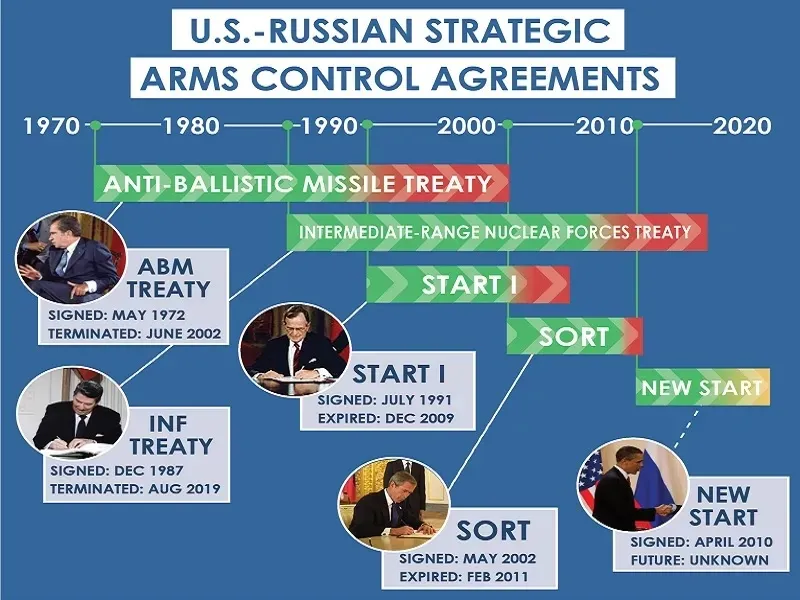
  • Putin’s offer to extend New START is goodwill gesture to Trump

    Putin’s offer to extend New START is goodwill gesture to Trump

    Goodwill gestures are meant to make the recipient trust whoever does them with the expectation that they’ll then be reciprocated for improving their relations

    By Andrew Korybko

    SAN FRANCISCO (CONVERSEER) – Vladimir Putin offered in late September to extend the New START, which is the last arms control pact between Russia and the US, for another year following its expiry in early February. He then reaffirmed his proposal in early October, emphasising that there’s still time to extend this crucial agreement if the US has the political will, which appears to be the case given Trump’s recent praise of it as “a good idea”. Regardless of whatever happens, Putin’s offer is a goodwill gesture to Trump, which will now be explained.

    For background, Putin announced Russia’s suspension of the New START in February 2023 in response to NATO’s involvement in Ukraine’s drone attacks against his country’s strategic aviation bases several months prior, which was analysed here as the right thing to do at the right time. Nearly a year later in January 2024, Foreign Minister Sergey Lavrov then declared that talks on this issue won’t resume till the Ukrainian Conflict ends, arguing that doing otherwise would put Russia at a disadvantage.

    With that in mind, it was expected at the start of the year that “Mutual Interest In Resuming Arms Control Talks Can Speed Up The Ukrainian Peace Process”, yet that didn’t come to pass with Russian-US tensions escalating shortly after mid-August’s Anchorage Summit. Nevertheless, Putin still publicly praised Trump for working towards peace and proposed extending New START for another year, thus representing a change in Russia’s position as articulated by Lavrov over 18 months earlier.

    Goodwill gestures are meant to make the recipient trust whoever does them with the expectation that they’ll then be reciprocated for improving their relations. That doesn’t always happen though as proven by Russia’s goodwill gesture of withdrawing from Kiev during spring 2022’s peace talks being seen as weakness by Ukraine, the UK, and Poland, the last two of which then convinced Ukraine to keep fighting. The possibility thus exists that Trump might perceive Putin’s latest goodwill gesture in the same way.

    READ ALSO: Women urge Germany’s Merz to get real on public safety

    It’s crucial to mention that Putin reassured his people that Russia can ensure its national security even in the absence of extending New START and that any unilateral moves by the US to further upset the strategic balance between their countries would render this pact null and void. What he probably had in mind was Trump’s “Golden Dome” initiative, previously known as the “Iron Dome”, for reviving Reagan’s “Star Wars” plan for space-based interceptors and likely secret space-based offensive missiles too.

    Taking his trade deals as precedent, he always wants the US to maintain the dominant position in any “compromise”, so he might either insist on continuing to build the “Golden Dome” despite this ruining any New START extension or secretly continuing to do so even if he says he won’t. If the CIA assesses that Russia might transfer cutting-edge nuclear weapons technology to China and/or North Korea in that case, and that this would in turn jeopardise US national security interests, then he might reconsider.

    Putin’s goodwill gesture to Trump of offering to extend New START is therefore a pivotal moment in their ties since it’ll allow Russia to learn whether the US is serious about compromising. If Trump doesn’t ditch the “Golden Dome” or dupes Putin about freezing work on it, then even though the new Burevestnik missile could still piece through it, Russia might still opt to transfer this tech to its nuclear-armed allies in order to raise the costs to the US of rejecting Russia’s proposal so that it doesn’t reject future ones too.

  • The Coup That Never Was — and the Warning It Brings

    The Coup That Never Was — and the Warning It Brings

    By Tosin Adeoti

    LAGOS (CONVERSEER) – A short while back, a strange tremor ran through Nigeria’s social space. WhatsApp groups whispered of soldiers plotting to seize power. Some news blogs claimed “top military officers” had been arrested.

    By the end of last week, BusinessDay reported that the Defence Headquarters had issued a categorical denial. There was no coup plot. Brigadier General Tukur Gusau, the military’s spokesperson, called the reports “fabrications and distractions.”

    But as often happens in moments of national anxiety, denial did little to calm nerves. The mere suggestion of a coup was enough to jolt the public imagination.

    It didn’t help that this happened in the same period the government quietly cancelled the annual Independence Day parade. The timing, many thought, was too neat to be a coincidence. According to SBM Intelligence, Google search data spiked. Across the country, people typed the same fearful questions into their phones: “First coup in Nigeria” and “Military coup in Nigeria.”

    The ghosts of the past, it seemed, had stirred again.

    Nigeria has always had a complicated relationship with its military. Between 1966 and 1999, Nigeria experienced eight successful coups and several failed attempts. The pattern was eerily consistent. A government loses legitimacy, the economy falters, corruption grows, and somewhere in the barracks, a group of young officers decides they can “save” the country.

    On January 15, 1966, Major Chukwuma Kaduna Nzeogwu and his fellow conspirators struck, claiming they wanted to end corruption. Six months later, another coup followed, plunging Nigeria into a cycle of revenge and instability that eventually erupted into civil war.

    READ ALSO: How Islamic mob killed widow over alleged blasphemy against Prophet Muhammad in Nigeria

    Fast forward to 1983, when General Muhammadu Buhari toppled President Shehu Shagari, accusing the politicians of “indiscipline and waste.” Just two years later, General Ibrahim Babangida overthrew Buhari. Then came Sani Abacha in 1993, whose reign of fear and repression remains one of the darkest chapters in the nation’s history.

    When democracy finally returned in 1999, it was a collective sigh of relief. The generation that lived through decrees and midnight arrests had seen enough. The military’s return to the barracks was supposed to mark the end of that era.

    But the human memory is short, and history, if left unlearned, repeats itself in whispers first, then in gunfire.

    The latest rumour emerged at a tense time. In late September, reports claimed that more than a dozen officers, including a brigadier general and a colonel, had been arrested. The Defence Headquarters denied any coup plot, insisting the detentions were for professional misconduct. Still, the speculation persisted, prompting President Tinubu to replace several top security officials in news I saw a few minutes ago, a move the government described as part of its ongoing effort to strengthen national security amid rising violence in the north.

    But that wasn’t the only source of unease. In the same month, Nigerians learned of yet another $2.35 billion borrowing plan. According to the Debt Management Office, $1.229 billion will help finance the 2025 budget, while another $1.118 billion will refinance Eurobonds issued in 2018 and due for repayment next month. In other words, we are borrowing money to pay off old debt. And without the promises to show for it.

    The discontent doesn’t end there. On October 18, civic watchdog SERAP wrote to Senate President Godswill Akpabio and House Speaker Tajudeen Abbas, demanding explanations over a missing ₦18.6 billion earmarked for the National Assembly Commission Office Complex.

    Meanwhile, inflation continues to choke households. A new NielsenIQ report paints the picture clearly: six in ten Nigerians have abandoned their favourite brands for cheaper alternatives. The report concludes bluntly that the current administration “has not favoured most Nigerian families.”

    And then came ASUU — again. On September 28, the university lecturers’ union gave the Federal Government a 14-day ultimatum, threatening a two-week warning strike to be followed by an indefinite one. Their demands were for unpaid arrears, revitalisation funds, and the long-ignored 2009 agreement.

    Each of these stories, taken alone, might seem routine in today’s Nigeria. Together, they form a pattern of a steady erosion of trust and citizens questioning whether democracy is still working for them.

    That’s why the October coup rumour hit such a nerve. It revealed a dangerous nostalgia creeping into public discourse, especially among the young.

    Scroll through Facebook or Twitter on a bad economic day, and you’ll see the refrain, “At least under the soldiers, things worked.” “They should come and deal with these politicians.”

    It’s a sentiment born not of experience but of exasperation. Most of those calling for the military never lived under it. They never saw soldiers drag people from their homes. They never queued for basic items under decrees or whispered in fear during curfews. They have never known what it means to live 72 hours without press freedom or the internet.

    They are angry, and rightly so — at hunger, unemployment, corruption, and insecurity. But anger can be a dangerous historian. It forgets too easily and hopes too foolishly.

    Those who survived the coups remember the silence, not the peace of stability but the silence of fear. They remember how newspapers vanished, how protests were crushed, how even laughter in public felt risky.

    Every coup in Nigeria began with applause and ended in regret. Every general promised discipline and reform; every regime left the country poorer, more divided, and less free.

    Coup rumours, in a democracy, are like fevers in the body politic. They signal that something deeper is wrong.

    People don’t dream of soldiers unless they feel abandoned by those in power. Nostalgia grows when elected leaders seem deaf to suffering.

    The military is never the real threat to democracy. Bad governance is.

    Every time a government fails to deliver, it invites the ghosts of the past to knock on the barracks door.

    The true antidote to coup rumours is not censorship or arrests. It is competence.

    Does it not break your heart to see young people’s Hallelujah challenge prayer requests being to leave the country at all costs; to see hand-drawn passports of the United States?

    Democracy earns its legitimacy not through slogans or national parades but through performance.

    Good governance doesn’t require perfection, just sincerity and accountability. Nigerians do not demand miracles; they demand fairness.

    The October 2025 episode should not be dismissed as idle gossip. It is a warning flare. It is proof that public patience is thinning and trust is evaporating.

    If history teaches anything, it is that no nation drifts into a coup by accident. Coups are born when hope dies. They are born when people decide that anything, even a dictatorship, is better than disappointment.

    Nigeria cannot afford that delusion again.

    So let this “coup that never was” serve its purpose, not as prophecy, but as a mirror. A reflection of a state that must govern better or risk losing the confidence that keeps democracy alive.

    Because the real coup is not the one plotted in secret by soldiers. It is the slow, public betrayal of citizens by the leaders they elected.

  • Japan will play greater role in advancing America’s agenda in Asia

    Japan will play greater role in advancing America’s agenda in Asia

    • Japan’s place in the United States’ Chinese Containment Coalition just rose as a result of the unexpected Sino-Indo rapprochement, before which the US wanted India to play a complementary role, so Japan is now at the forefront of this effort

    By Andrew Korybko

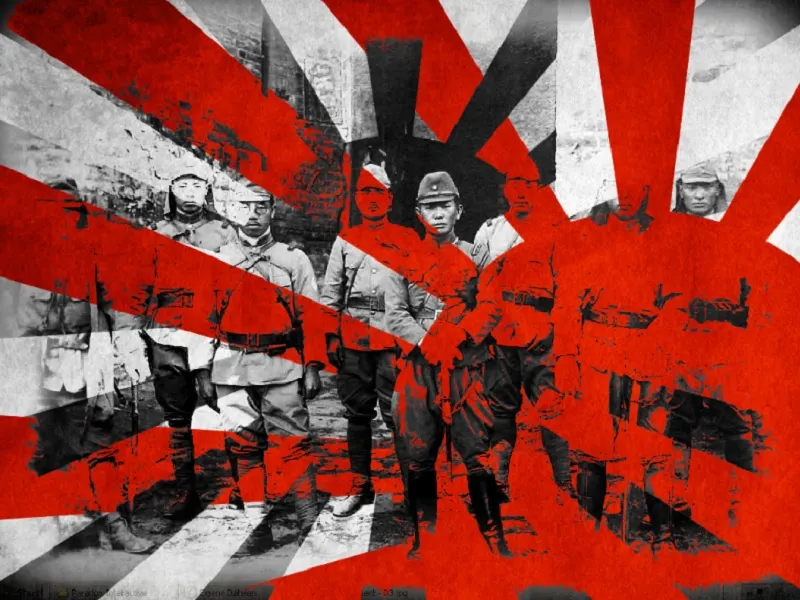
    SAN FRANCISCO (CONVERSEER) – Putin’s senior aide Nikolai Patrushev gave an interview to Arguments and Facts about Japan on the 80th anniversary of its unilateral surrender in World War II in early September, which is important to raise wider awareness after the appointment of its new ultra-nationalist prime minister. He began by reminding everyone that “Tokyo zealously cultivated an open racism that surpassed German Nazism in its absurdity and inhumanity. And the sovereignty of other countries was considered an empty phrase there.”

    Patrushev then touched upon Imperial Japan’s failed geopolitical plot to turn the Sea of Japan into an inland sea and even seize Kamchatka so as “to gain undivided possession of the Sea of Okhotsk” too. He assessed that Japan’s current campaign for “’ justice’ on the issue of the so-called ‘northern territories’” is just a disguise for a similar plot to obtain control over new marine (seafood and mineral) resources. Patrushev accordingly warned that it is planning to make new claims to Russian maritime territory.

    The emerging trend of misportraying Imperial Japan as the “victim” of Soviet aggression in 1945, despite the Allies having agreed in advance that the USSR would open up the Manchurian Front three months after the Nazis’ defeat, is meant to lend false legitimacy to these claims. This threat shouldn’t be downplayed, Patrushev warned, since Japan’s “Self-Defence Forces” de facto function as national armed forces, are NATO-backed, and are “systematically building a powerful and ultra-modern submarine fleet”.

    READ ALSO: Minnesota intensifies prayers to end abortion

    In his words, “Japan is one of the most powerful naval powers in the world today. Its fleet is capable of solving almost any task even in remote areas of the World Ocean. The Japanese Navy closely cooperates with the NATO fleet, and at any moment they can be integrated into Western coalition formats.” Even more concerning are Japan’s nuclear breakthrough capabilities: “it is capable of creating its own nuclear arsenal and means of delivery in a few years” if the decision is made, according to Patrushev.

    Nevertheless, these threats shouldn’t be exaggerated either since Russia is “building up defensive potential in the Far East and strengthening our naval power in the Pacific Ocean”, thus meaning that it’s more than capable of defending itself from Japan. Rather, “The threat lies not so much in the destroyers and missiles, but in the fact that the national consciousness of the Japanese is shifting from pacifism to rabid revanchism”, which he attributed to a long-running “aggressive propaganda” campaign.

    The purpose is to precondition the population to accept the risks associated with Japan more actively advancing US interests in the region via the “Squad” (those two, Australia, and the Philippines), which is envisaged as the core of AUKUS+, the US’ desired NATO-like regional analogue. Japan’s place in the US’s Chinese Containment Coalition just rose as a result of the unexpected Sino-Indo rapprochement, before which the US wanted India to play a complementary role, so Japan is now at the forefront of this effort.

    The trend is that the New Cold War’s focus is shifting from US-led NATO’s containment of Russia in Europe to US-led AUKUS+’s containment of China in Asia, all while the TRIPP Corridor injects Western influence into the Eurasian Heartland to stir trouble for both. India’s Pakistani rival is also poised to play a supportive role on the Central Asian front if tensions with the Taliban abate. Altogether, Poland, Japan, Turkiye, and possibly Pakistan are now the US’s top containment allies, which isn’t lost on Russia, India, and China.