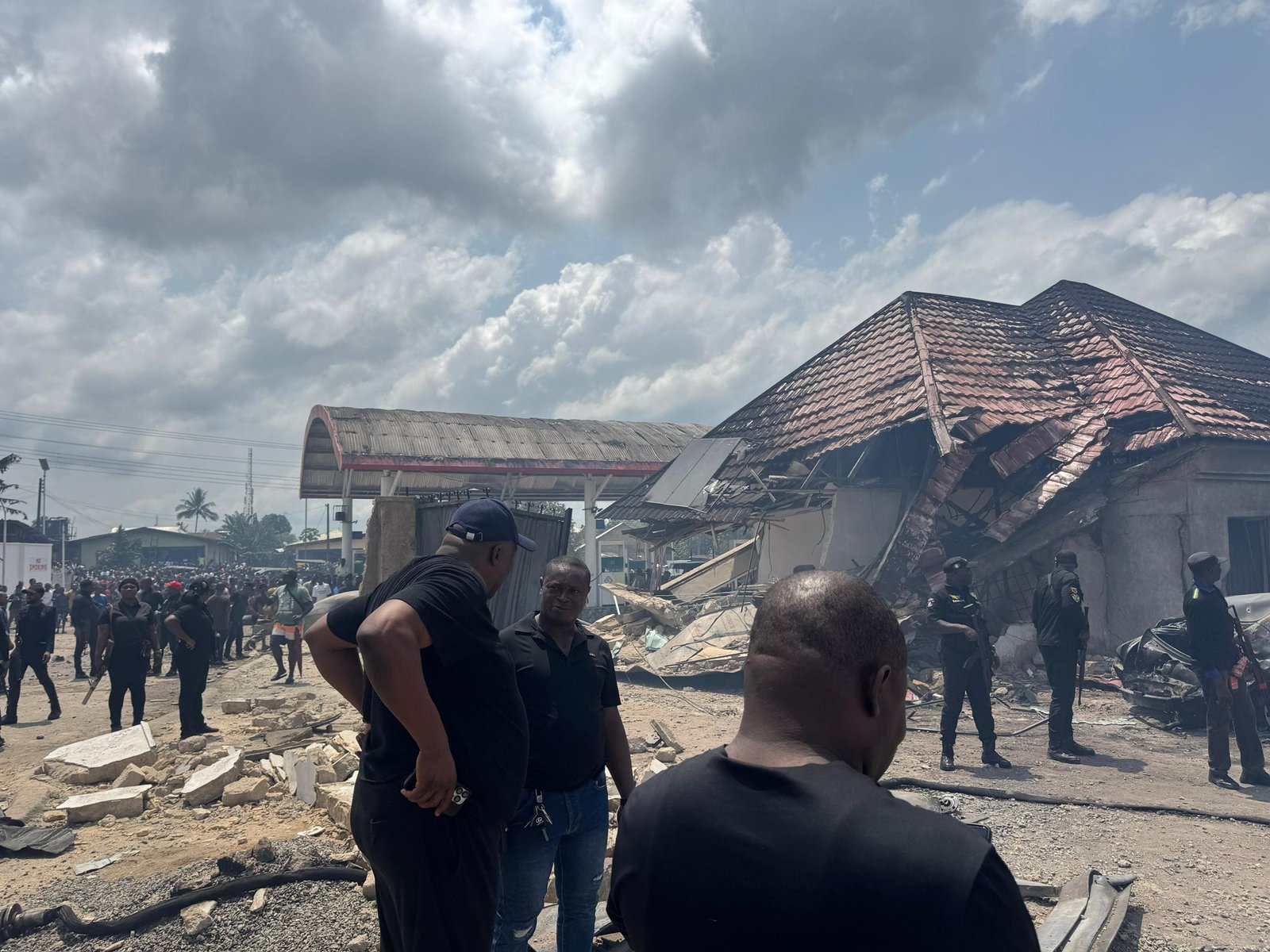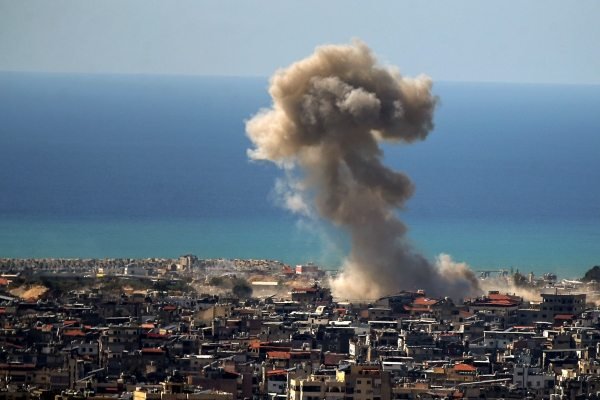
The latest escalation in hostilities between the Iran-baked Hezbollah militia and Israel – effectively ending a fragile truce – unfolded amid the broader war involving Iran, Israel and the United States.
By Our Reporter
BEIRUT (DPA, CONVERSEER) – It was 1:30 am in Lebanon in early March when the alerts began arriving all at once: television news tickers, encrypted WhatsApp messages and hurried phone calls.
As the war in Iran started to intensify, rockets were launched from southern Lebanon toward Israel. Within minutes, panic spread across the country.
Ali doesn’t hesitate. He grabs the bag he has kept packed for months – passport, documents, essentials – and speeds from the southern Lebanese coastal city of Tyre towards the capital, Beirut.
“I was shaking all over and almost had convulsions from fear,” he says. “It was clear: now the war is coming back.”
When he arrives on the airport road near the Beirut suburbs about an hour later, the city is shaken by the first explosions. The Israeli military is striking back.
Hezbollah – Tehran’s arm in Lebanon
The latest escalation in hostilities between the Iran-baked Hezbollah militia and Israel – effectively ending a fragile truce – unfolded amid the broader war involving Iran, Israel and the United States.
Hezbollah fired rockets at Israel, in response to the killing of Iran’s supreme leader ayatollah Ali Khamenei and voiced support for Tehran, opening a another front in the Middle East conflict.
Israeli airstrikes across Lebanon, including in Beirut and southern border regions, have triggered widespread displacement of civilians fleeing the fighting, plunging Lebanon into crisis once again.
“At a time like this it certainly seemed impossible [for Hezbollah] to stay on the sideline,” analyst Michael Young of the Carnegie Middle East Centre tells dpa.
“They entered the war because of course Iran feels existentially threatened,” he continues. “Hezbollah entered the war, because Iran told them to enter the war.”
Within the Shia organisation, there is another view: sooner or later, the Israelis would have used the momentum of their war against Iran to open a new front against Hezbollah – Tehran’s extended arm in Lebanon – as Young describes the Hezbollah perspective.
“I want peace”
“I thought they’d learnt something from the last war,” says Ali. Today, the 30-year-old sits on the balcony of his brother’s flat in a Christian neighbourhood of Beirut.
Every hour, he fears that his parents’ house, his shop or the homes of friends and family in Tyre might be the next target of an Israeli attack. Every alert on his mobile could bring a new message of terror.
He is referring to Hezbollah and the previous war with Israel. As early as autumn 2024, the Shiite militia and the Israeli military were locked in open warfare following months of mutual shelling. Hezbollah emerged from it significantly weakened.
It was to be disarmed under a ceasefire agreement. “I believed in Hezbollah and its weapons for a long time. They protected us people in the south,” says Ali today.
READ ALSO: Israel authorises targeting of senior Iranian officials
For its part Hezbollah has refused to disarm and vowed to never give up.
“Surrender is not in our vocabulary. We will continue to defend ourselves in this existential battle, no matter the sacrifices,” its current leader Naim Qassem said in mid-March.
The Iran-backed militia sees itself as the protector of the Shia in Lebanon and as the only true force of resistance against the constant threat from its arch-enemy Israel.
But Ali no longer believes that.
Hezbollah is committing suicide and dragging the whole country, and above all the Shia community, into the abyss, he says. “I want peace,” he emphasizes. He no longer wants to pay for Tehran’s problems.
More than 1 million displaced
Lebanese authorities say that more than 1 million people have been displaced since the latest fighting began in early March, while nearly 912 have been killed in Israeli strikes and more than 2,200 injured.
Many of the displaced are no longer welcome in other parts of the country, amid fears that those coming from Hezbollah-controlled areas could themselves become targets of Israeli strikes.
Many have ended up on the streets of Beirut. The country’s largest stadium, where the roar of football crowds has faded, has been converted into temporary emergency accommodation.
This is where Fatima, 35, has ended up. “We were born during the war and I don’t want my son to have to grow up the same way,” she says.
She is holding her 1-year-old son Mustafa in her arms. During the last war, she was pregnant with him and had to live on the streets for two months.
She describes the lives of so many Lebanese who have never been able to experience a life without war.
“This war had to happen”
In another tent, Ahmed Reda has found a place to sleep with his family. “This war had to happen,” he says. He comes from a village near the Israeli border. No one did anything about the constant Israeli attacks, he says.
Despite the ceasefire, the Israeli military has continued to carry out regular attacks in the neighbouring country over the past year and a half.
Israel justifies the attacks by claiming that the militia is not adhering to the agreements and wants to rearm. “Who can accept something like that?” asks his sister Zeinab.
The government in Beirut has never managed to protect them from Israel. “We want our country back – no matter what it takes,” she says.
Lebanon is now once again under constant bombardment. The attacks are aimed at Hezbollah targets, as the Israeli military calls them. Often, however, the airstrikes hit densely populated residential areas.
Images from the heavily hit suburbs of Beirut already show massive destruction.
The Lebanese government is under pressure. It is expected to disarm Hezbollah, but is actually too weak to do so itself.
It recently declared Hezbollah’s military activities to be illegal – a key milestone in Lebanon’s history but the measure has not yet had far-reaching consequences.
Considerable costs to Lebanese population
“I’m not seeing in anyway how Hezbollah can come out of this victorious,” says expert Young. The costs for Lebanon and its people are considerable. “But if they survive, they will be able to play it as a victory.”
He expects that Israel may seek to impose a peace agreement with Lebanon containing far-reaching conditions.
These could include restrictions on Lebanese sovereignty in the border area, a wide buffer zone and additional security requirements that would prevent many residents from returning.
However, he notes that there remains the possibility that Israel might not succeed in disarming Hezbollah.
So far, the situation remains fluid. No one knows how long this latest round of hostilities will last.
But for the families sleeping on the stadium floor, on the streets or in car parks, the future has narrowed to a single uncertain horizon.
Like so many others in Lebanon, Ali looks to his future with concern. He cannot make plans or think about life after the war: “We can plan as far ahead as tomorrow at best.”