By Our Reporter
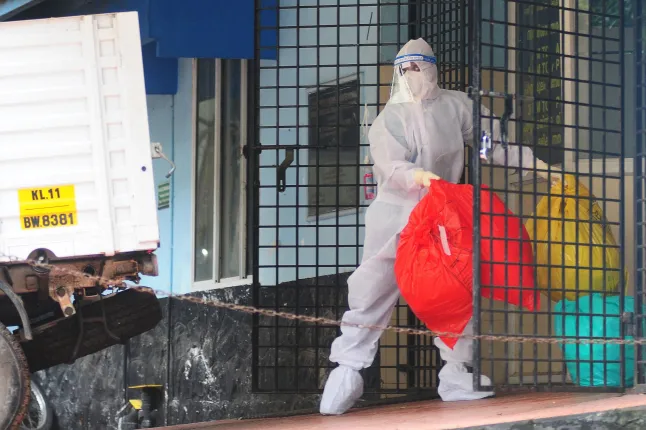
NEW DELHI (CONVERSEER) – Indian health authorities are responding to a Nipah virus outbreak after five confirmed cases of the incurable disease were detected in West Bengal, near the state capital Kolkata.
Officials confirmed three new infections this week, involving a doctor, a nurse, and another healthcare worker, according to the Press Trust of India. Two nurses, a male and a female, had earlier tested positive after working at Narayana Multispeciality Hospital in Barasat, about 15 miles north of Kolkata.
West Bengal’s principal secretary for health and family welfare, Narayan Swaroop Nigam, said one of the nurses is in critical condition and currently in a coma after developing high fever and respiratory complications between New Year’s Eve and January 2. Authorities believe the nurse contracted the virus while treating a patient with severe respiratory symptoms who later died before tests were carried out.
So far, about 180 people have been tested, while 20 high-risk contacts have been placed under quarantine as containment measures intensify.
Nipah virus is a bat-borne disease that can spread from animals to humans and also be transmitted between people. Fruit bats are the natural hosts and are common across India. In humans, the infection can range from asymptomatic cases to severe respiratory illness and brain inflammation, with symptoms including fever, headache, muscle pain, vomiting, and sore throat. In severe cases, encephalitis can lead to coma within 24 to 48 hours.
READ ALSO: Torre to lead daily MMDA operations
The virus has a fatality rate of between 40 and 75 per cent, and there is currently no approved treatment or vaccine. The World Health Organization has classified Nipah as a priority pathogen due to its potential to trigger an epidemic.
India has recorded Nipah cases almost every year for more than two decades, with repeated outbreaks in the southern state of Kerala, where dozens have died since 2018. Health experts say the risk of infection can be reduced by avoiding contact with bats and pigs and by not consuming raw date palm sap, which may have been contaminated by bats.