By Our Reporter
PALAWAN (CONVERSEER) – Tragedy as a food influencer identified as Emma Amit dies after eating a venomous crustacean known as “devil crab”.
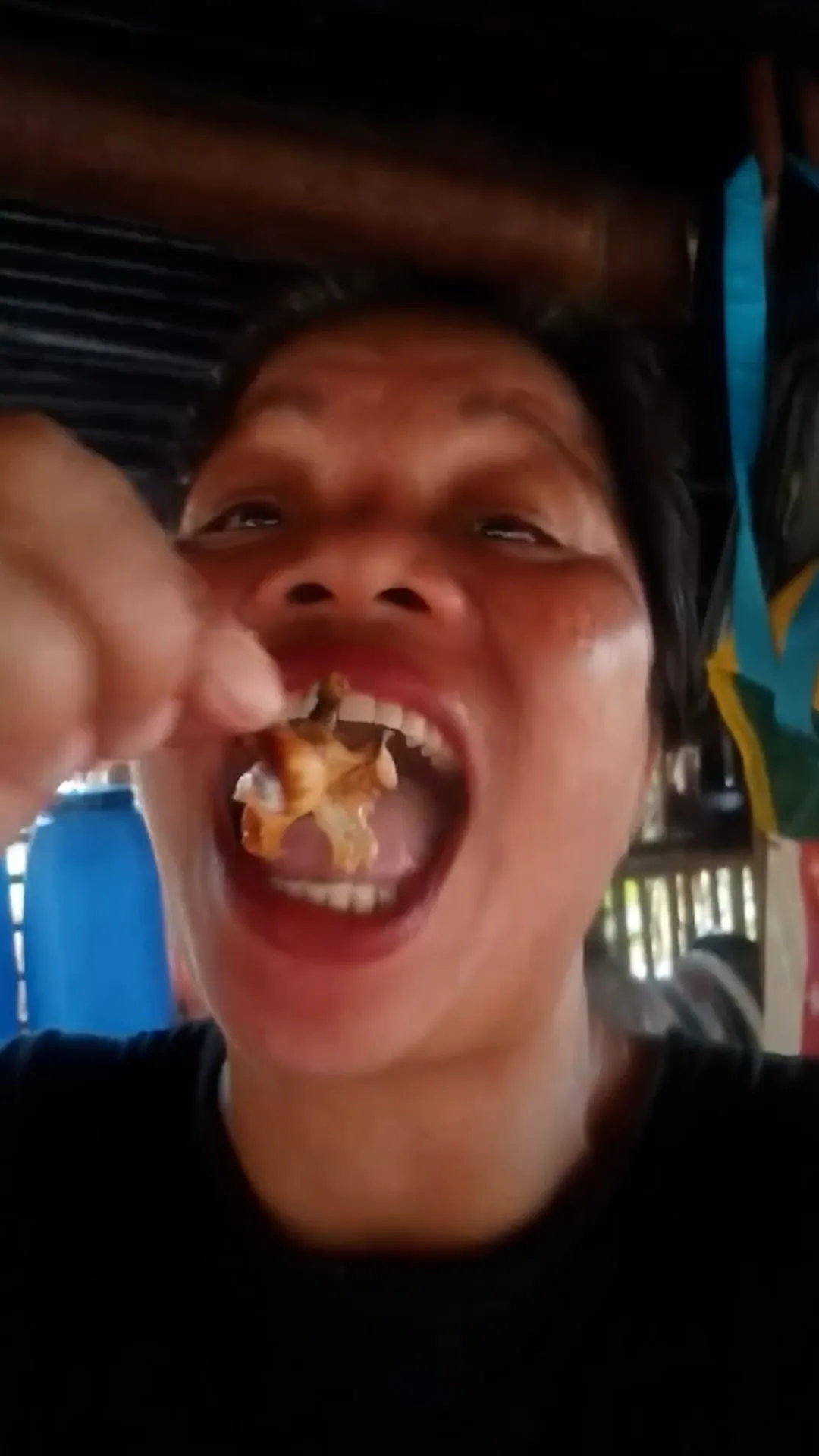
Converseer learned that, Amit, 51, filmed herself eating the rare shellfish before collapsing at her home after the cocktail of toxins entered her bloodstream
Footage obtained by New York Post shows the food vlogger lifting the crab to her mouth and then eating it with a smile on her face.
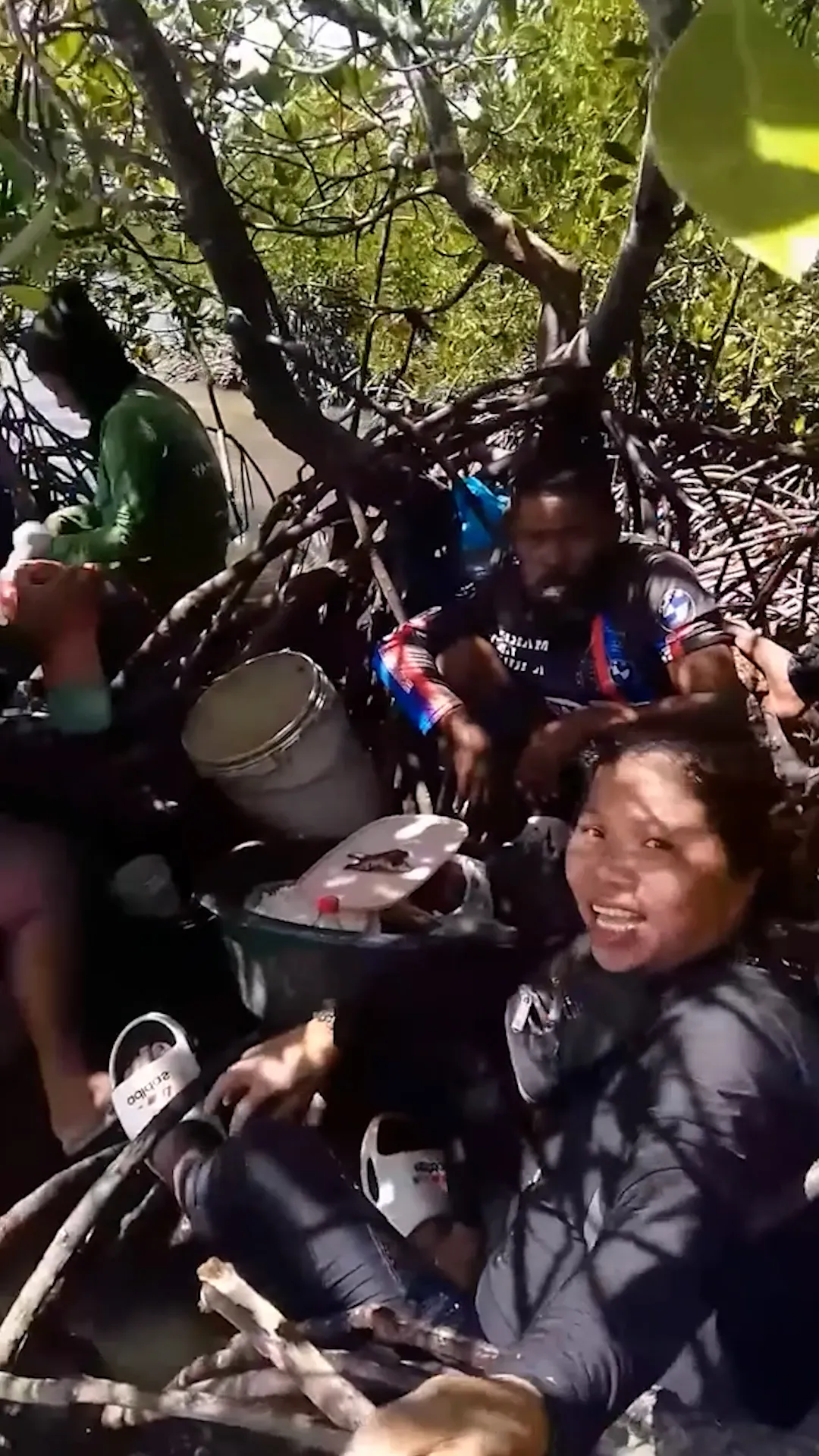
Amit and her friends had been hunting shellfish and crabs in a mangrove forest near her house in the Palawan Province of the Philippines on February 4.
It took less than 24 hours before the mother fell gravely ill as the potent cocktail of neurotoxins flooded her bloodstream.
Neighbours said she was convulsing as she was rushed to a local hospital where her health took a fatal turn.

She was pronounced dead on February 6 – just two days after she ate the crab.
Laddy Gemang, chief of Luzviminda Village, urged locals not to “gamble” with their lives by eating the dangerous animals.
He was left puzzled by the influencer’s death as she and her husband were both known to be experienced fishers.
“This is really saddening because they should have known,” he said.
“She and her husband, they are both fisherfolk.
“They live by the sea, so I know they know about this devil crab that’s dangerous to eat. So why did she eat it? That is what I’m confused about.”
Gemang said that village officers were sent to Emma’s home to look into the case.
Brightly coloured shells of the devil crabs were found discarded among her rubbish.
“I saw the shells, there were around eight. I don’t know if all of them were devil crabs, but they all looked alike,” he added.
“So to the residents of Puerto Princesa, I am urging you to be doubly vigilant.
“Do not eat these dangerous devil crabs because they have claimed two lives here in our town. Don’t gamble with your lives.”
Devil crabs, also known as toxic reef crabs, are a species of crab that live on coral reefs across the Indo-Pacific region.
It is considered the most poisonous crab in the Philippines, with half of the intoxication cases being fatal.