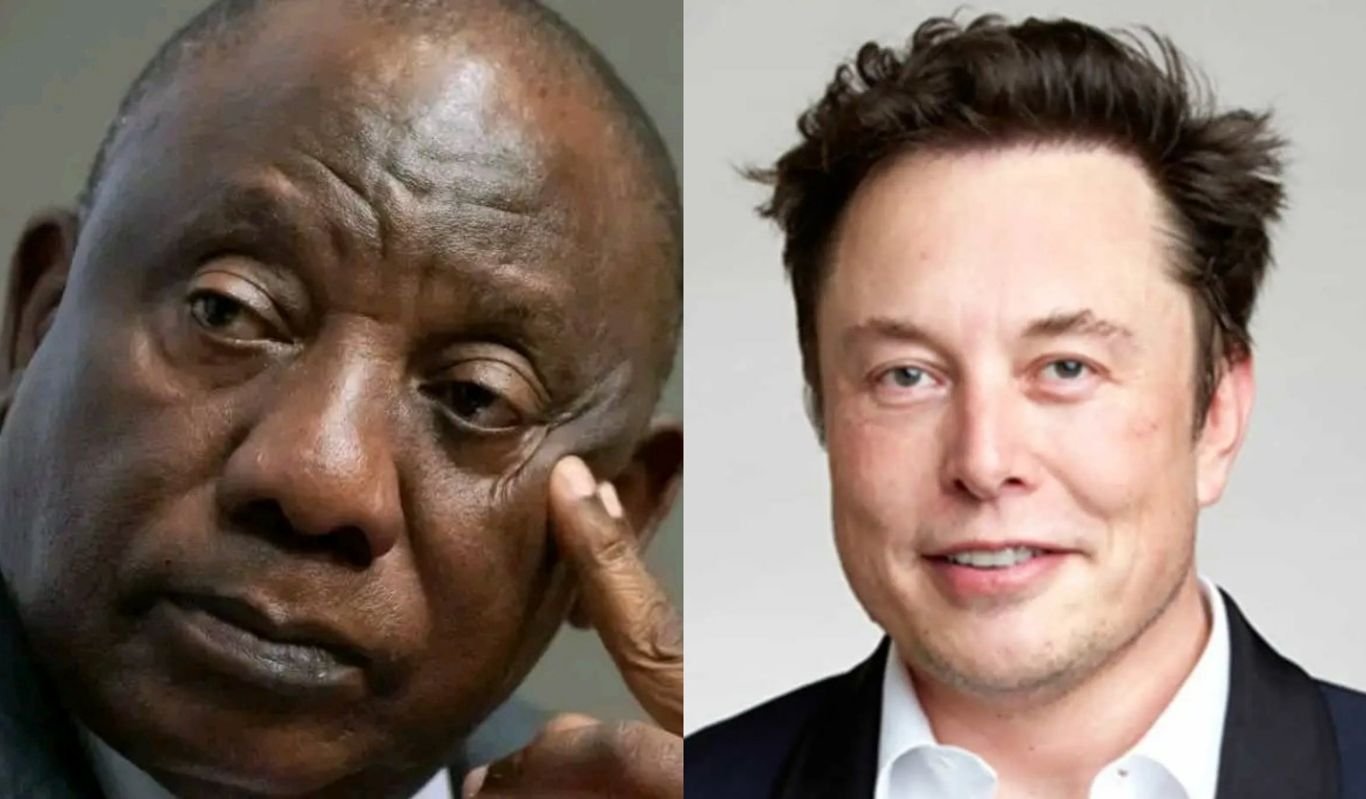
NEW YORK (CONVERSEER) – South African‑born tech magnate, Elon Musk, has launched a scathing public criticism of his country of birth, claiming that the government’s post‑apartheid laws amount to institutional racism against non‑Black citizens.
“The South African government is super racist against anyone who isn’t Black. Just a fact. It’s literally in the laws,” Musk wrote on social media.
The comment comes amid a broader standoff between Musk’s company Starlink and South Africa’s regulatory framework. According to reports, Starlink’s planned expansion into South Africa has been delayed by laws requiring foreign‑owned telecom firms to allot significant ownership shares to “historically disadvantaged groups.”
Critics including Musk argue these provisions, part of the broader Broad‑Based Black Economic Empowerment (B‑BBEE) initiative, effectively bar companies like Starlink simply because they are non‑Black.
Musk has framed the ownership and licensing regulations as “openly racist,” rejecting the notion that they serve as corrective measures to rectify historical inequities.
“There should be no preference given to one or the other,” he said during a televised forum, alluding to the vision of the late Nelson Mandela that “all races should be on equal footing.”
READ ALSO: Mayibuye iAfrika hosts inaugural national convention
But not everyone agrees. The South African government has dismissed claims that the state is persecuting white citizens or discriminating on race. President Cyril Ramaphosa called such allegations a “completely false narrative,” urging South Africans not to be divided by claims of racial persecution.
Observers say the conflict highlights a wider tension in South Africa’s post‑apartheid transition, the need to redress entrenched inequalities, while ensuring that corrective policies don’t foster new forms of division.
Musk’s critique has revived debate over whether B‑BBEE and similar laws remain appropriate in a country still grappling with deep economic and racial disparities.