By Frank Ulom
CALABAR (CONVERSEER) – The Cross River State Government has highlighted the economic and environmental value of its vast mangrove ecosystem, describing it as one of the largest and most ecologically significant in Africa.
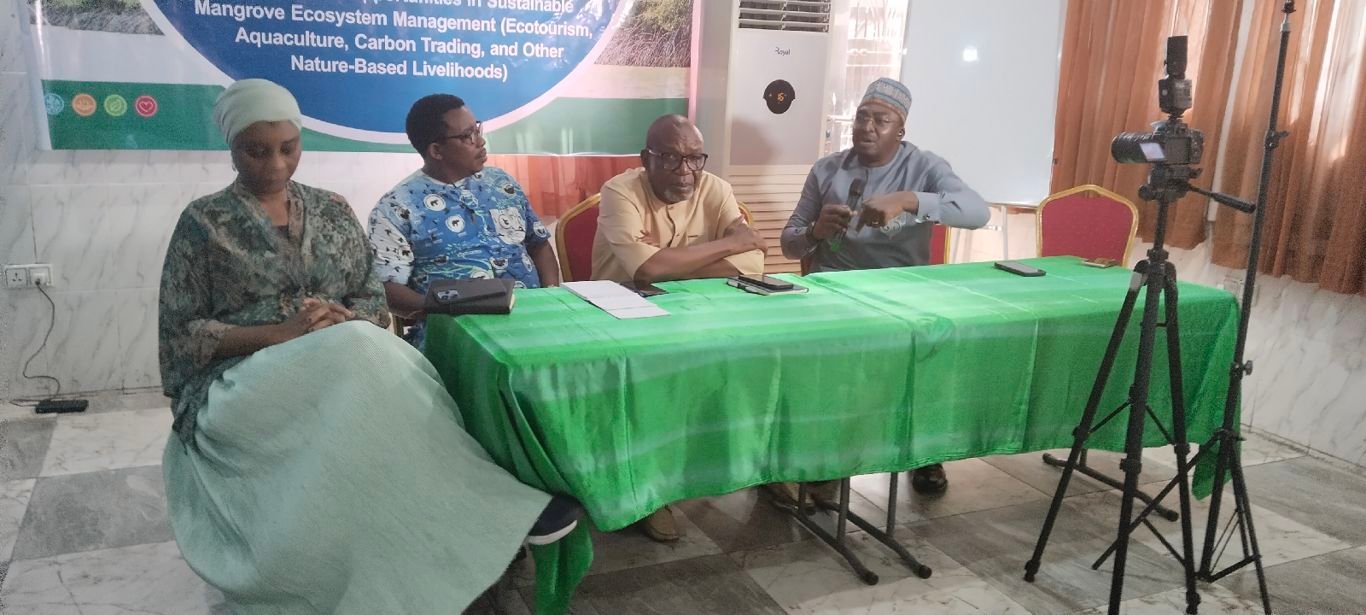
The Commissioner for International Donor Coordination, Elder Dr Hippolatus Lukpata, made the remark while declaring open a workshop on sensitisation and training for potential investors, commodity associations, financial institutions and government Ministries, Departments and Agencies (MDAs) on economic opportunities in sustainable mangrove ecosystem management.
The workshop, organised by the United Kingdom Partnership for Accelerated Climate Transition (UK-PACT) in collaboration with the Food and Agriculture Organisation (FAO), was held last week at NAKS Hotel along Marian Road in Calabar.
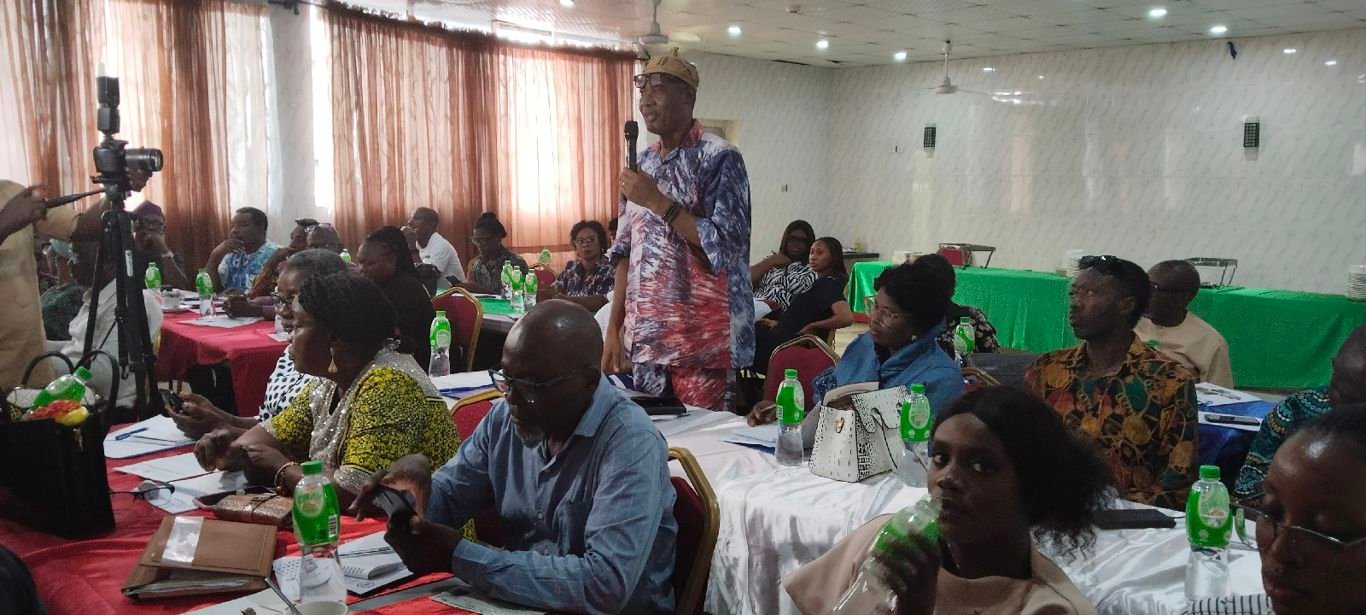
Lukpata said the state’s mangrove ecosystem performs critical environmental functions by storing vast amounts of carbon, often several times more per hectare than many tropical forests.
He explained that the ecosystem also protects coastlines from erosion and storm surges while supporting rich biodiversity.
According to him, mangroves serve as breeding and nursery grounds for fisheries that sustain thousands of families across coastal communities in the state.
“For many years, we have seen them primarily as environmental assets, but increasingly the world has recognised them as economic assets,” Lukpata said.
“When properly managed, mangroves represent real and practical investment opportunities. They are central to the growing global focus on nature-based solutions and the blue economy.”
The commissioner noted that ecotourism presents significant investment prospects within the mangrove landscape.
He cited canoe trails through mangrove channels, birdwatching experiences, cultural tours and community-led hospitality services as potential attractions capable of generating jobs, creating alternative livelihoods and strengthening conservation awareness.
Lukpata also pointed to emerging opportunities in carbon markets and blue credits, stressing that the ability of mangroves to store exceptional volumes of carbon could attract climate finance through voluntary and developing carbon markets.
“This provides a pathway where environmental protection translates directly into revenue for restoration, protection and community development,” he added.
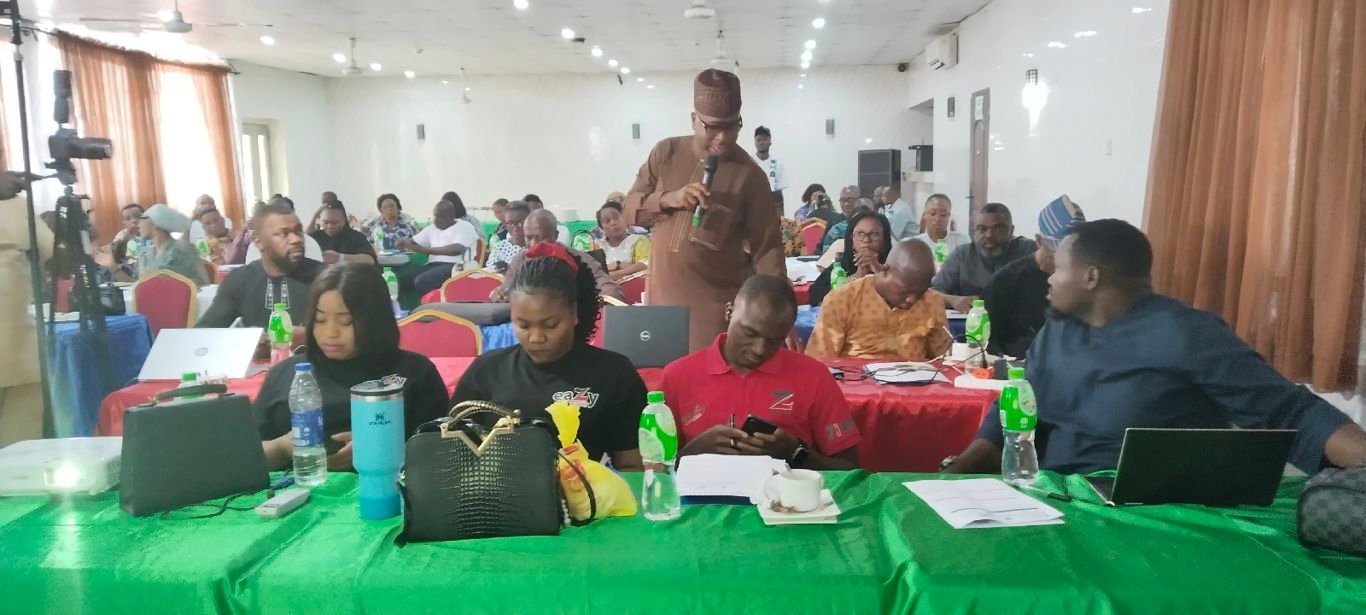
The commissioner commended the organisers, FAO and UK-PACT, for supporting the state through initiatives aimed at integrated mangrove ecosystem management and the expansion of social protection for fisheries and forest-dependent communities.
Earlier, the Project Coordinator of UK-PACT, Dr Mrs. Nisifime Ogunkua, said the workshop was designed to sensitise and train key stakeholders on the investment opportunities available within the mangrove landscape.
She stated that Cross River State is richly endowed with mangrove resources and requires coordinated efforts to harness the opportunities sustainably.
Ogunkua noted that beyond environmental benefits, mangrove ecosystems present numerous economic opportunities capable of strengthening livelihoods and supporting climate-resilient development.
Participants at the workshop received presentations on several topics including climate change resilient infrastructure development and nature-based solutions in Cross River State.
Other areas discussed included nature-based finance, ecotourism, blue carbon and inclusive livelihoods, as well as financing windows and credit facilities for green and climate-resilient investments.
Additional sessions focused on scaling nature-based livelihoods for social protection and sustainable mangrove ecosystem management, export financing opportunities in ecotourism and carbon trade, and structuring bankable public-private partnerships for blue economy investments.
Experts also examined carbon market development in Nigeria, highlighting the barriers, risks and opportunities associated with carbon trading.
The workshop attracted dignitaries from commercial banks, the Bank of Industry, the Bank of Agriculture, academia, traditional institutions, regulatory bodies, investors and representatives of relevant MDAs from both federal and state governments.