By Frank Ulom
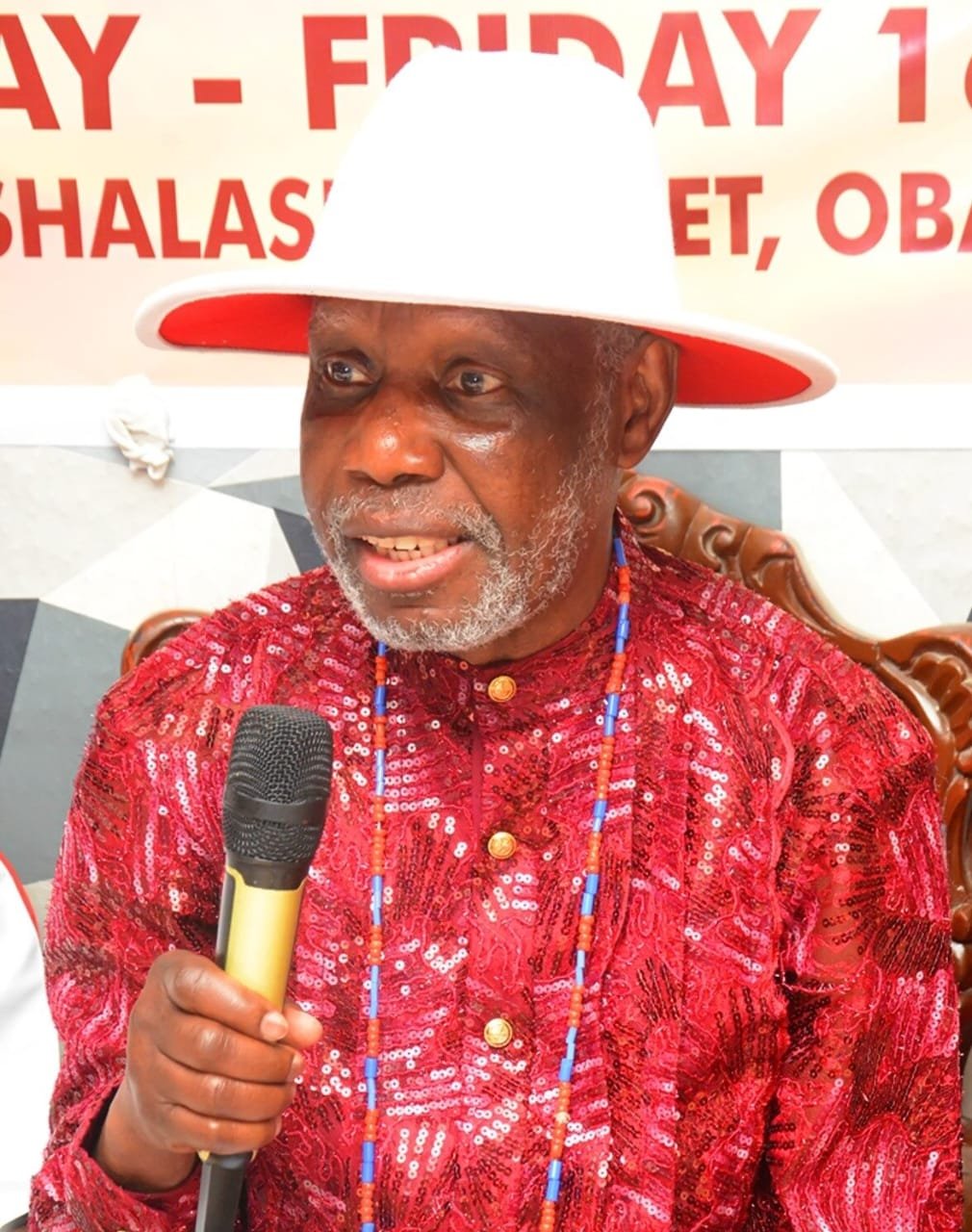
CALABAR (CONVERSEER) – The Cross River State Consultative Forum (CRSCF) has strongly defended the performance of Governor Bassey Otu’s administration, dismissing recent comments by Mr Hilliard Eta, Chairman of the Governing Board of the National Youth Service Corps (NYSC), as misleading and disconnected from current realities in the state.
In a press statement dated December 15, 2025, and signed by its Chairman, Barrister Eyo Nsa Ekpo, and Secretary, Dr Ochim Julius Okputu, the forum said the criticisms levelled against the Otu-led government failed to reflect verifiable economic, infrastructural and security progress recorded over the past two and a half years.
The CRSCF disclosed that Cross River State’s Internally Generated Revenue (IGR) rose by 106 per cent, increasing from ₦20.5 billion in 2022 to ₦36 billion by mid-2024. According to the forum, the growth was driven by digital revenue collection, blocked leakages and improved fiscal discipline.
It added that the revenue growth, combined with federal allocations, enabled the state to present a ₦538 billion 2025 budget, representing a 17 per cent increase from the previous year, with 66 per cent allocated to capital projects.
“Our state stands robust, fortified by a 106% leap in Internally Generated Revenue (IGR), escalating from N20.5 billion in 2022 to N36 billion by mid-2024, courtesy of streamlined digital collections, sealed fiscal gaps, and incentivised performance. This surge, harmonising with federal allocations, fuels a N538 billion 2025 budget—elevated 17% from its predecessor—with 66% dedicated to capital endeavours that pulse with public need,” the statement read.
Addressing claims of economic stagnation, the forum pointed to the recovery of the Tinapa Business and Leisure Resort from the Asset Management Corporation of Nigeria (AMCON) in November 2025, describing it as a major investment milestone. It also cited the 2025 Calabar Carnival, which reportedly attracted over 300,000 visitors and generated about ₦14 billion, alongside an ₦18 billion tourism investment aimed at repositioning the state as a leading leisure destination in West Africa.
On entrepreneurship and agriculture, the CRSCF highlighted the ₦30 billion Project Grow initiative, which it said supported mechanised farming in rice, maize, cassava and fisheries, creating over 100,000 jobs and generating an estimated ₦50 billion in revenue.
The forum further revealed that the state pioneered the first digital soil fertility map in the South-South, distributed over 625,000 oil palm nuts, and supported 286 agribusinesses that have generated ₦4.74 billion and over 2,000 jobs for youths and women.
According to the statement, 400 youths received ₦800 million in agribusiness grants in September 2025, while retirees benefitted from a ₦250 million entrepreneurship scheme. In addition, over 8,000 nano-business owners accessed ₦1.2 billion in MSME loans through the state’s enterprise development agency.
“If enterprise is extinct, how explain the 50,000-hectare rice expanse in Ogoja and Bekwarra, or Odukpani’s 2,000-hectare maize mosaic, both fortresses of food security and employment fortitude?” The Forum questioned.
The CRSCF also listed major infrastructure projects, including the rehabilitation of over 200 kilometres of roads across urban and rural areas, the installation of 270 solar-powered streetlights, and the expansion of CallyAir’s fleet to improve connectivity.
In the education sector, the forum said the state sponsored WAEC fees for over 31,000 students, achieving a 72.1 per cent pass rate, constructed 26 new classroom blocks, and established new tertiary institutions, including a University of Education and Entrepreneurship.
READ ALSO: CRSIGM dedicates 2026 to God, reaffirms prayer for Cross River
Health sector achievements, it noted, include the recruitment of 204 health professionals, rehabilitation of the Ikom General Hospital, and free healthcare delivery across more than 1,000 facilities, with child stunting reportedly reduced to below two per cent.
The forum also emphasised improved security across the state, stating that cultism, kidnapping and communal violence have significantly reduced due to community policing, distribution of security vehicles to all 196 wards, and sustained youth engagement. It said the stable security environment has encouraged investment and social stability.
On maritime development, the CRSCF welcomed the Federal Executive Council’s approval of the Bakassi Deep Seaport on December 12, 2025, as a Public-Private Partnership project expected to attract $2.27 billion in private investment. The port is projected to serve Nigeria’s North-Central and North-East regions while positioning Cross River as a major maritime hub in West and Central Africa.
The forum further disclosed that updated hydrographic charts by the Nigerian Navy and inter-agency boundary reviews have confirmed that 67 out of 76 previously disputed oil wells fall within Cross River’s maritime territory, potentially boosting derivation revenues.
The CRSCF urged critics to engage with verified data rather than outdated perceptions, insisting that Cross River State is on a steady development path under the “People First” agenda of Governor Otu.
Converseer reports that Etta, appointed NYSC Governing Board Chairman by President Bola Tinubu in January, has criticised Governor Otu’s “Season of Sweetness” and “People First” mantras, asserting that he sees “no change in the narrative and trajectory of Cross River State.” He cited a “high level of wants, poverty, and lack of economic opportunities” in the state, along with a noticeable absence of entrepreneurial activities.
Eta further claimed that Cross River State is currently at its “weakest” point, while acknowledging reports of increased internally generated revenue, albeit without concrete data. He called for accountability, suggesting that the Otu administration has received significantly more in federal allocations during its two and a half years than its predecessor did over eight years. He posed the critical question, “How can we cultivate the next generation of entrepreneurs in Cross River State?”