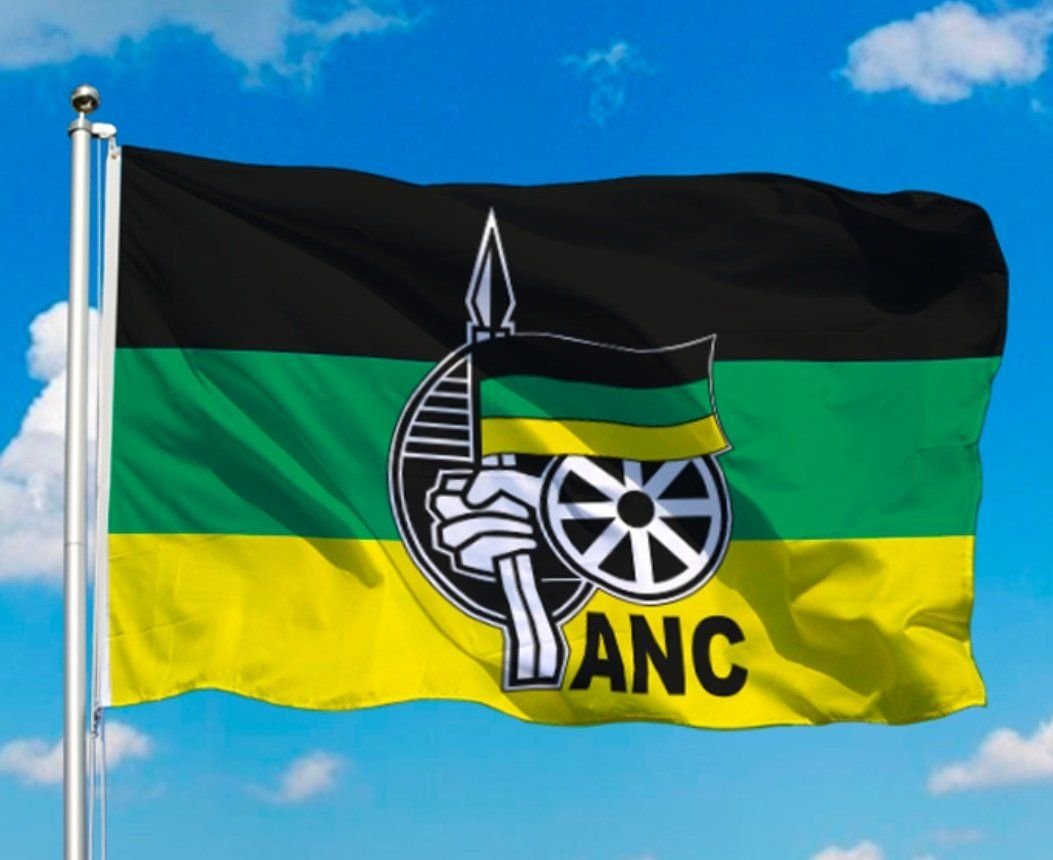
BOKSBURG (CONVERSEER) – The ANC heads into a high-stakes National General Council (NGC) meeting in Boksburg tomorrow, where its decision to govern in a national unity arrangement with the DA and eight other parties will come under the spotlight.
It is the party’s first major review since losing its parliamentary majority in 2024, a defeat that forced it into an unprecedented coalition to retain power.
The Government of National Unity (GNU), formed last year and backed by ten parties commanding over 70% of parliament, was initially hailed as a stabilising breakthrough.
Support for the ANC recovered to 63%, according to a 2025 survey, with President Cyril Ramaphosa also enjoying renewed public confidence.
Underneath the veneer of cooperation, tensions have repeatedly surfaced. Disputes over land reform, National Health Insurance, and budget policy have strained relations, while Ramaphosa’s dismissal of DA deputy minister Andrew Whitfield triggered a public fallout.
The DA has also continued to challenge government decisions in court, a sign of its ongoing struggle to govern and oppose simultaneously.
READ ALSO: Fresh violence forces thousands to flee eastern DR Congo
This week’s NGC will be the clearest measure yet of how committed the ANC remains to the GNU project. While party leaders insist the coalition is necessary for stability and future growth, many grassroots members favour alignment with left-leaning parties such as the EFF instead.
For now, however, neither the ANC nor the DA appears ready to risk a collapse that could backfire ahead of the 2026 local elections.
As delegates convene, South Africa’s coalition experiment faces a defining test, one that could determine whether unity holds or fractures under ideological strain.