








By Andrew Korybko
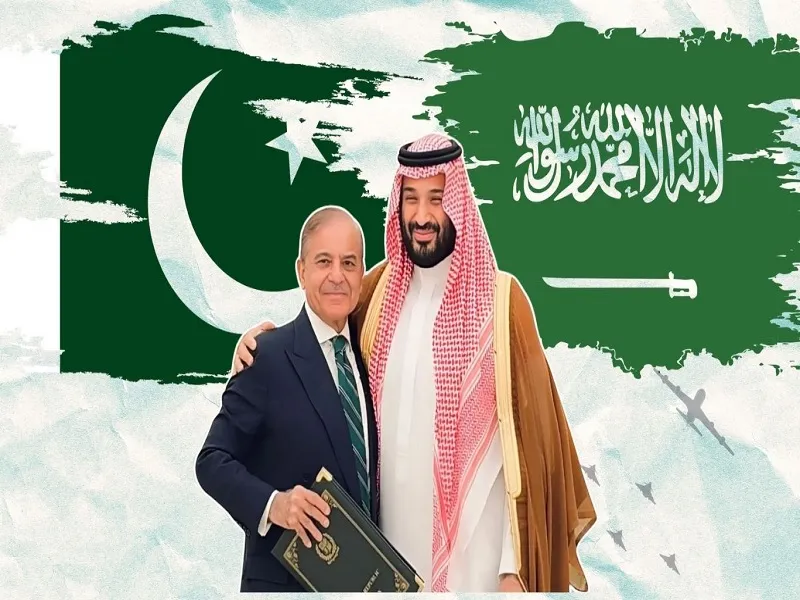
The Pakistani Finance Minister announced that Saudi Arabia is extending its $5 billion deposit in their country and adding another $3 billion after the UAE demanded earlier this month that Pakistan finally repay the $3.5 billion that it was loaned in 2019. This followed Pakistan’s deployment of several warplanes to Saudi Arabia in compliance with its mutual defense obligations to the Kingdom per last September’s pact and precedes Prime Minister Shehbaz Sharif’s trip to there, Qatar, and Turkiye.
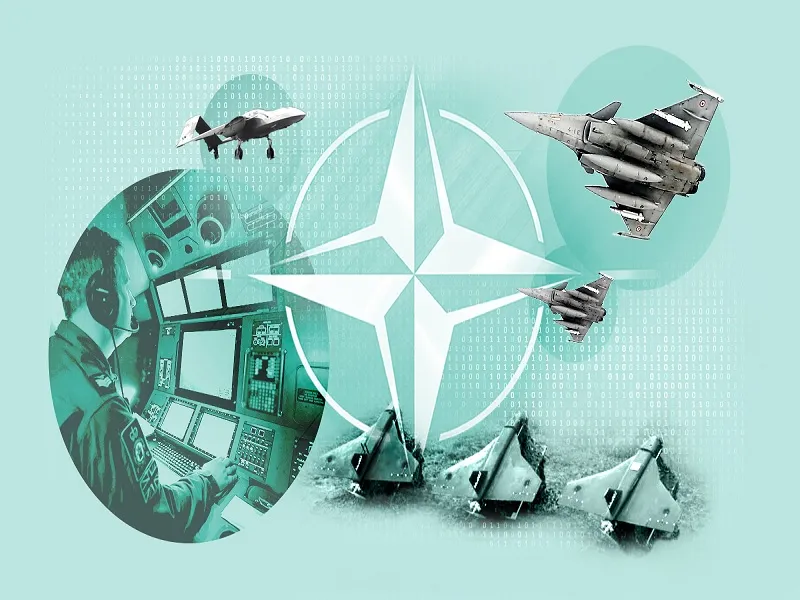
On that note, Pakistan, Saudi Arabia, Turkiye, and their shared Egyptian partner all comprise the unofficial regional security coordination platform that’s been called the “Islamic NATO”, which has recently shifted its sights from involvement in Sudan and Somaliland to mediating an end to the Third Gulf War. They’re also all tied to NATO, Turkiye being a formal member and the rest being “Major Non-NATO Allies”, but Israel still perceives their security cooperation as a latent threat to be countered.
It’s relevant to mention that the UAE shares Israel’s growing threat assessment of Saudi Arabia since their second falling out late last year as well as its dislike of Pakistan, which unites those two and India. Interestingly, Indian Prime Minister Narendra Modi was in Israel just days before the Third Gulf War began, while Indian External Affairs Minister Dr. Subrahmanyam Jaishankar just returned from the UAE. India and the UAE also signed a letter of intent in January to establish a strategic defense partnership.
Pakistan might thus suspect that the UAE’s unexpected demand to repay its $3.5 billion loan that was rolled over till now was coordinated with India and Israel, which could have resulted in an economic crisis had Saudi Arabia not helped. According to Bloomberg, “the central bank may be forced to take unpopular steps, analysts said, such as restricting imports, raising interest rates or borrowing more from commercial banks” after the loss of 18% of its forex reserves. A political crisis could have followed.
Saudi Arabia’s (and previously also the UAE’s) many prior bailouts of Pakistan amidst its years-long systemic economic-financial crisis were out of solidarity with a fellow Muslim country without any economic or political strings attached such as preferential mining contracts or political reforms. At most, one would argue that the only cynical interest was to continue the training programs provided by the Pakistani military, which has traditionally been one of their closest partners (till recently for the UAE).
This latest Saudi bailout wasn’t for nothing, however, since the quid pro quo appears to be Pakistan’s full compliance with their mutual defense pact if the Third Gulf War soon resumes. In that event, Saudi Arabia would expect Pakistan to join it in attacking Iran, with the incentive being to save the Kingdom’s energy infrastructure from destruction and thus ensure its own needs too. If Pakistan doesn’t comply, then the region’s entire energy exports might be taken offline indefinitely, thus plunging it into crisis too.
Iran threatened to destroy the Gulf Kingdoms’ energy infrastructure if Trump destroys Iran’s, which he might do if the conflict resumes, and this sequence is beyond the Gulf Kingdoms’ control despite the existential stakes involved. It’s possibly with that scenario in mind and recalling Saudi Arabia’s and Pakistan’s status as “Major Non-NATO Allies” that Saudi Arabia might expect the US to tip it off about plans to resume the war if talks fail so that they and Pakistan can jointly carry out a crippling first strike.