









- From a landmark first in 1985 to building an entire cardiac programme from scratch, one Ghanaian doctor’s life work has saved thousands of lives and reshaped medicine across Africa
By Frank Ulom
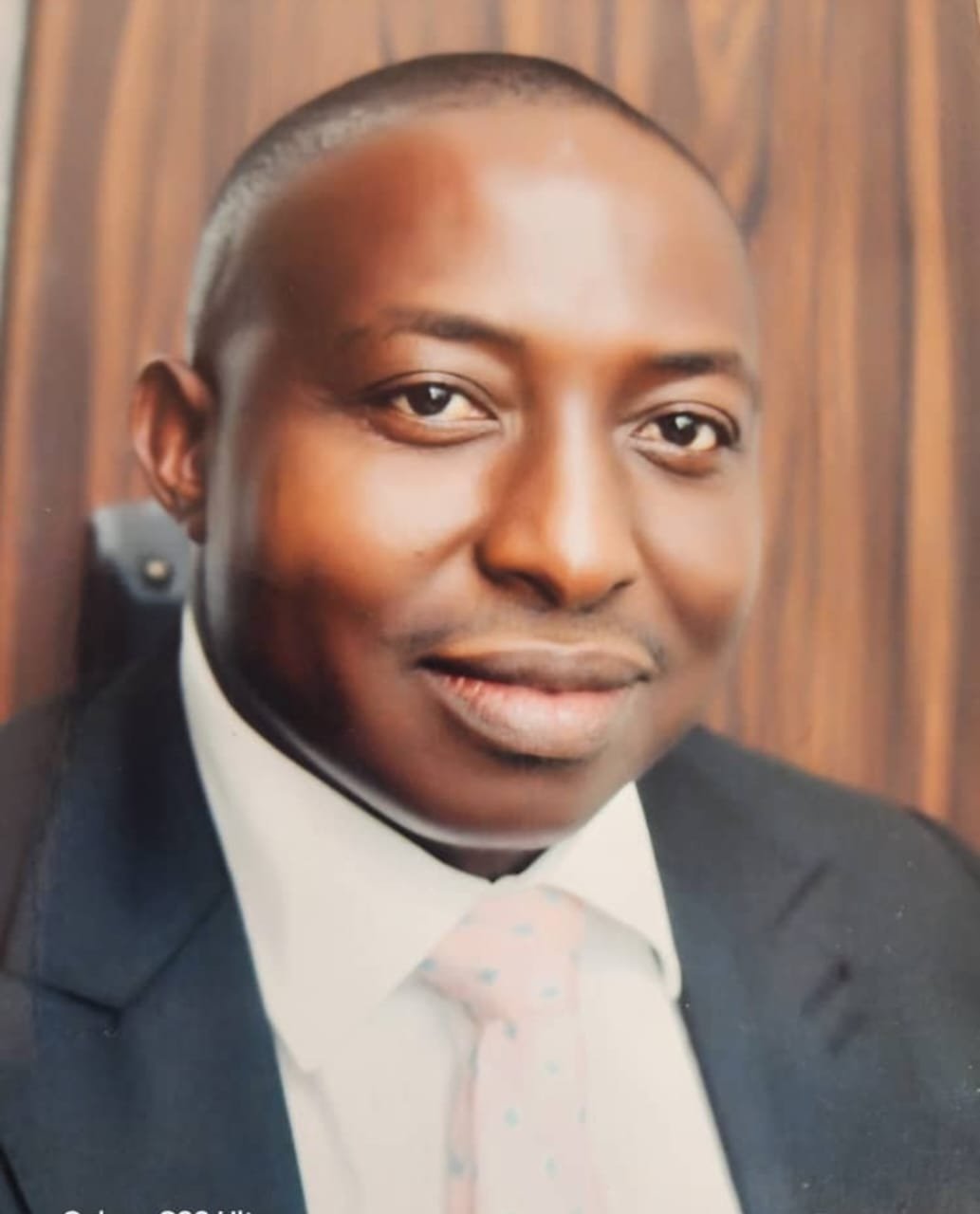
ACCRA (CONVERSEER) — In the operating theatres of Hannover, Germany, in 1985, a young Ghanaian surgeon made medical history. With steady hands and extraordinary skill, Professor Kwabena Frimpong-Boateng became the first Black person ever to perform a heart transplant — a milestone that would mark only the beginning of a lifetime devoted to bringing world-class cardiac care to those who needed it most.
That moment, now more than four decades ago, reverberates through the corridors of the National Cardiothoracic Centre at Korle Bu Teaching Hospital in Accra — a world-class institution that Frimpong-Boateng himself built from the ground up. For many Ghanaians, he is simply known as the “father of open-heart surgery” in their country. For the wider world of medicine, he is a trailblazer of the highest order.
A Historic First in Hannover
Frimpong-Boateng joined Hannover’s renowned heart transplantation programme in the 1980s, quickly establishing himself as a surgeon of exceptional ability. As lead surgeon, he performed the heart transplant in 1985 that would enter the record books — not merely as a personal achievement, but as a statement to the world that excellence in medicine knows no borders.
Three years later, in 1988, he achieved yet another milestone, leading the first-ever heart-lung transplant performed in Hannover — cementing his reputation as one of the pioneering figures in transplant surgery on the European stage.
Coming Home: A Mission to Build
Despite his success in Europe, Frimpong-Boateng chose to return to Ghana in 1989. His motivation was clear: his country desperately needed the skills he had spent years acquiring abroad. Shortly after returning, he performed Ghana’s first open-heart surgery using a heart-lung machine — a procedure that had been entirely inaccessible to Ghanaian patients before his return.
“There were so many patients with heart conditions who had no hope, no options,” he has said of those early years. “I knew I had to do something about it.”
In 1992, he transformed that mission into bricks and mortar. Founding the National Cardiothoracic Centre at Korle Bu Teaching Hospital from scratch, Frimpong-Boateng created the infrastructure needed to deliver advanced cardiac surgery to West Africans. What began as a vision became a fully operational centre capable of performing complex open-heart procedures — a resource that had never before existed in the country.
Training the Next Generation
Perhaps as significant as any individual surgical milestone is the legacy Frimpong-Boateng has built through training. Under his leadership at the National Cardiothoracic Centre, a new generation of Ghanaian and West African heart surgeons has been cultivated — ensuring that the specialist knowledge he brought home does not rest with one man alone, but multiplies through those he has mentored.
His contributions have helped advance specialised cardiac care across the entire region — a ripple effect that extends far beyond the borders of Ghana. Hospitals in neighbouring countries have benefited from the expertise developed and disseminated from the centre he founded.
A Continuing Legacy
Today, as president of the Ghana Heart Foundation, Professor Frimpong-Boateng continues the work that has defined his career. The Foundation supports life-saving heart surgeries for underprivileged patients — those who, without intervention, would have no access to the care they need. It is, in many ways, the fullest expression of a philosophy that has guided him throughout his career: that exceptional medicine must serve those who need it, not only those who can afford it.
In a field where history is often written by institutions and nations with vast resources, Frimpong-Boateng’s story stands apart. He made history not once, but repeatedly — and then turned those achievements into something greater: a lasting foundation of care, expertise, and hope for a continent where heart disease remains one of the leading, and most under-treated, causes of death.
The “father of open-heart surgery” in Ghana, a pioneer of global medicine — and, above all, a doctor who chose to come home.