


By Christian Njoku
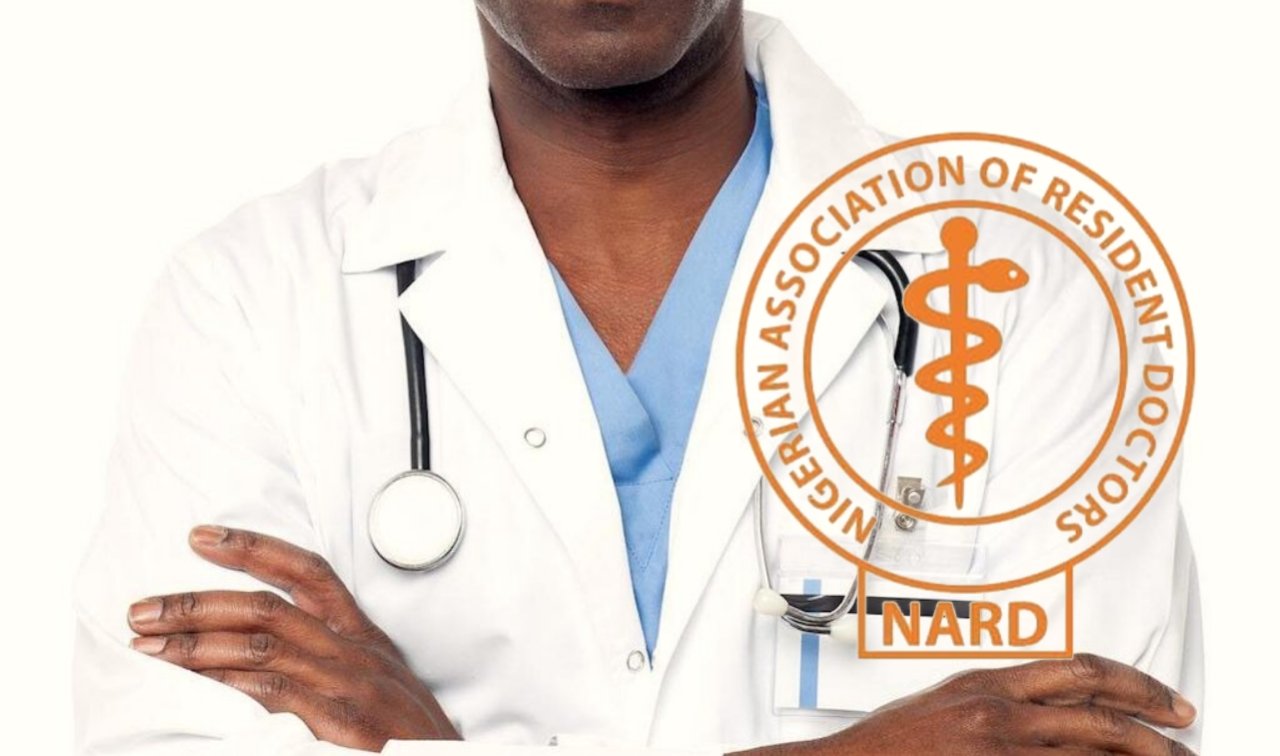
CALABAR (CONVERSEER) – The National Association of Resident Doctors (NARD) has suspended its proposed nationwide strike, pending a review meeting scheduled to be held in two weeks in Jos.
This was disclosed by President-Elect of the association Dr Emmanuel Idoko, on Monday during an interview with the News Agency of Nigeria (NAN) in Calabar.
It would be recalled that NARD declared a total, nationwide and indefinite strike that began on 1st November 2025 after the Federal Government failed to implement a 19-point memorandum of demands agreed with the association.
After 29 days of strike, NARD suspended the indefinite strike on 29th November 2025 following negotiations with the Federal Government and the signing of a Memorandum of Understanding (MoU) addressing some demands.
However, after over four weeks, NARD announced plans to resume strike action from 12th January 2026 under the banner “TICS 2.0,” claiming the Federal Government has not fully delivered on agreed items.
Idoko, who was formerly Cross River Chairman of NARD, told NAN that their suspension decision followed a meeting with Mr Kashim Shettima, Vice-President of Nigeria, who urged them to suspend action and engage the Federal Government in further discussions.
He explained that the strike was not called off but placed in abeyance, stressing that failure of the government to act could lead to a resumption of industrial action.
According to him, “NARD will reassess developments at its next meeting and decide on the next steps if agreements reached are not honoured.
“Doctors do not embark on strikes for pleasure, but due to poor working conditions, inadequate facilities and unfavourable policies affecting healthcare delivery.”
He noted that poor remuneration and weak health policies have fueled the migration of Nigerian doctors abroad, weakening the country’s health system.
ALSO READ: 2026 budget allocation by MDAs (Ministries, Departments and Agencies)
The NARD President-Elect expressed hope that government actions within the review period would avert a renewed strike and improve conditions in public hospitals.
“In the United Kingdom, for instance, a huge percentage of their doctors are Nigerians, and they are well remunerated and also among our West African neighbours.
“A lot of people have this notion that doctors are rich people when actually things are difficult for many of them in Nigeria and they lack proper facilities to work,” he stated.
Idoko added that their demands went beyond remuneration to the implementation of proper policies in the sector.