ABUJA (CONVERSEER) – President Bola Tinubu has signed the Tax Reform Bills into law, which makes a major shift in our tax system. As a Nigerian, this new law directly affects us.
1. FIRS Renamed: The Federal Inland Revenue Service (FIRS) is now called the Nigeria Revenue Service (NRS).
2. Unified Revenue Collection: The NRS will now handle revenue collections previously managed by agencies like the Nigeria Customs Service, NUPRC, NPA, and NIMASA.
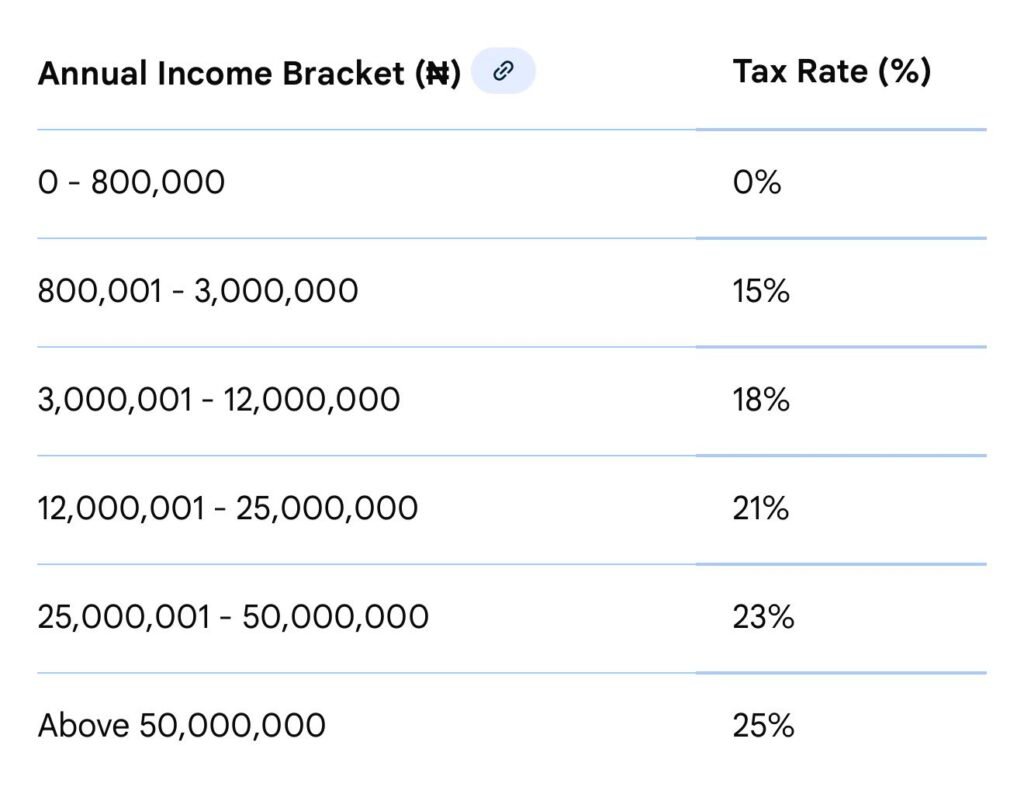
3. Low-Income Relief: Workers earning ₦800,000 or less annually are now exempted from income tax.
4. High-Income Tax: A 25% personal income tax applies only to individuals earning above ₦50 million annually.
5. Small Business Exemption: Small business owners are fully exempted from paying income tax.
6. Corporate Tax Cut: Starting in 2026, company income tax for medium and large firms will be reduced from 30% to 25%.
7. VAT Exemptions on Essentials: There is no VAT on essential items like food, medical services, pharmaceuticals, school fees, and electricity.
8. No Tax Hike: VAT remains at 7.5%, and corporate income tax stays at 30% — there has been no increase.
9. New Development Levy: A 2%–4% Development Levy will now fund critical national institutions like NELFUND, TETFund, NITDA, and NASENI.