By Our Reporter
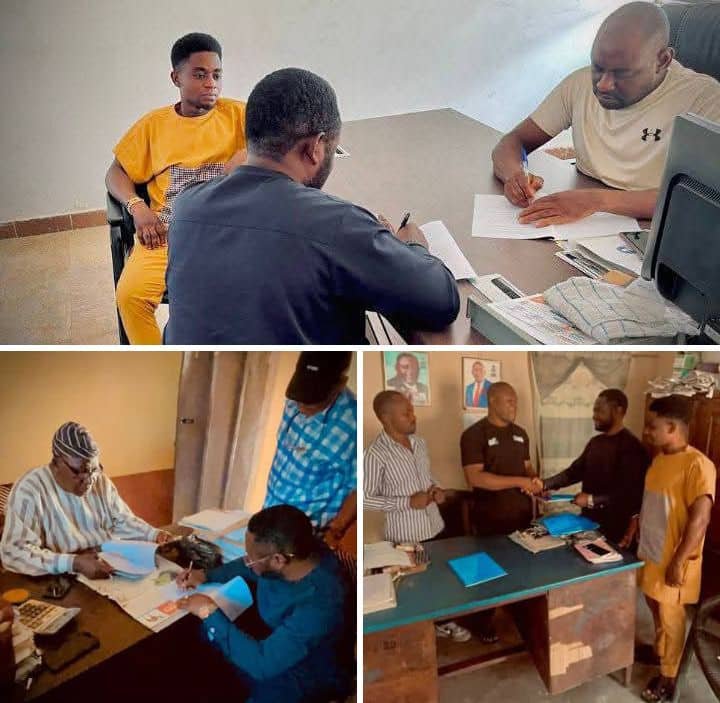
OBANLIKU (CONVERSEER) – Cygnus Alliances Nigeria Limited (CANL) has recorded a major milestone in Obanliku Local Government Area with the signing of three strategic Memoranda of Understanding (MoUs) in a single ceremony, launching a comprehensive public-private initiative aimed at transforming agricultural education, youth empowerment and rural economic development.
The MoUs were signed between CANL, the Obanliku Local Government Council, Corner Stone Secondary School, Sankwala, and Godbey Commercial Secondary School, Sankwala. The partnership establishes a structured collaboration designed to reposition agriculture as a modern, technology-driven and economically viable career pathway for secondary school students.
Dr Joseph Ebebe Agba, Secretary of Council, signed on behalf of the Obanliku Local Government Council, having been duly delegated by the Executive Chairman, Chief Hon. Sunny Ayang, JP, and executed the agreements in his capacity as both Chairman and Secretary for the Council.
Describing the agreement as a defining moment for the local government area, Dr Agba said the partnership “goes beyond signatures on paper,” noting that it represents a shared commitment to equipping young people with practical, income-generating skills.
“By integrating agribusiness and agro-technology into our secondary schools, we are preparing our students not just to pass examinations, but to create value, generate income and contribute meaningfully to society,” he said.
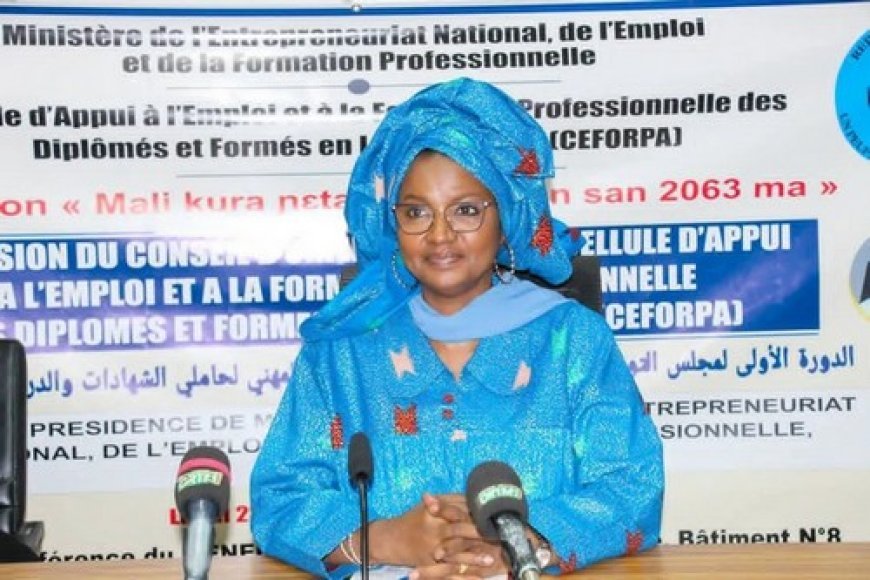
Speaking virtually from Texas, United States, the Chief Executive Officer of Cygnus Alliances Nigeria Limited, Prince Isaac Achu, described the Obanliku initiative as the fulfilment of a long-held vision to reshape youth development through education, technology and enterprise.
“This partnership is a dream come true for us at CANL,” Prince Achu said. “For years, we have envisioned a future where young people are taught not merely to memorise facts, but to solve real problems, create value and build sustainable livelihoods from what they learn in school.”
He explained that the programme was deliberately designed to model a new generation of learners, globally competitive yet firmly rooted in local realities.
“What we are doing here is modelling a new generation of youth and learning, where classrooms extend into farms, technology meets tradition, and students graduate not just with certificates, but with competence, confidence and purpose,” he added.
Prince Achu stressed that early exposure to innovation, agribusiness and entrepreneurship is critical to long-term national development.
“When young people are given the right tools, mentorship and opportunities early in life, they become creators of jobs, not seekers of jobs. This is how communities grow, economies expand and futures are secured,” he said.
Transforming Classroom Learning
Under the MOUs, the parties will collaborate to establish a sustainable, inclusive and high-impact initiative that embeds agricultural education and agribusiness practice into the core academic framework of participating secondary schools.

CANL will work closely with the Obanliku Local Government Council, the Cross River State Ministry of Education, the State Universal Basic Education Board (SUBEB) and other stakeholders to develop and deploy a customised agricultural science curriculum tailored to the ecological and economic realities of Obanliku.
The programme will combine classroom instruction with hands-on learning delivered by volunteer educators and agribusiness practitioners, supported by workshops, field demonstrations, training camps and agricultural fairs. Teachers and students will also be equipped with modern agro-digital tools, including mobile applications, sensor devices and monitoring dashboards, to promote data-driven farming techniques.
Speaking at the ceremony, the Supervisor for Agriculture and Natural Resources, Hon. Gabriel Ugbo, described the initiative as a strategic intervention aligned with the council’s agricultural development agenda.
“This partnership directly addresses the need to modernise agriculture in Obanliku by deliberately grooming the next generation of agro-practitioners,” Ugbo said. “Our students will not only learn agriculture in theory, but will actively practise it using modern tools and innovative approaches that strengthen food security and create sustainable livelihoods.”
Functional School Agribusiness Units
A major component of the partnership is the establishment of operational agribusiness units in selected secondary schools through a phased rollout. These will include solar-powered aquaculture fishponds, livestock units for small ruminants such as goats and sheep, as well as greenhouse-based or open-field crop production systems focused on high-yield and locally relevant crops.
READ ALSO: Gov Eno grants automatic employment to girl abandoned at birth
Each unit is designed to function as both a practical training laboratory for students and a viable micro-enterprise capable of generating revenue for schools and surrounding communities.
According to Dr Agba, proceeds from the commercialisation of agricultural produce will be reinvested into facility upgrades, learning resources, teacher incentives, student scholarships and local employment opportunities.
“This initiative is not only about education; it is about strengthening food security, supporting our schools and stimulating community development,” he noted.
Reacting to the development, Ukani Chief Inakefe Emmanuel, Proprietor of Corner Stone Secondary School, described the agreement as a transformative moment for secondary education in the local government area.
“This MOU marks a new chapter for our students,” he said. “For the first time, learners will graduate with practical agribusiness experience that prepares them for meaningful economic participation beyond the classroom.”
Bridging Secondary And Tertiary Education
Perhaps the most groundbreaking aspect of the MOUs is the provision for students to graduate with a locally recognised certificate in Agricultural Sciences and Agri-preneurship, alongside three transferable post-secondary credit hours in Introduction to Agricultural Sciences.
These credits will be pre-approved by partner Colleges, Universities and Polytechnics through engagement with private educational institutions and national accreditation bodies, effectively bridging the gap between secondary and tertiary education.
Speaking on behalf of CANL, the Company’s Chief Operations Officer, Mr Godwin Ugal, said the initiative was designed to create an ecosystem that connects education, technology and enterprise.
“Agriculture must no longer be seen as subsistence or last-resort employment. It must be repositioned as a technology-driven, knowledge-based and profitable enterprise, particularly for young people,” Ugal said.
Attendance And Signatories
The signing ceremony was attended by key stakeholders across government, education and the private sector.
From Corner Stone Secondary School, Chief Inakefe Emmanuel (Proprietor) and Mr Peter Ulekeh (Principal) formally executed the MOU in the presence of Hon. Sylvanus Anyanwho, Senior Lecturer at Federal College of Education, Obudu, and members of the Cygnus Alliances team.
From Godbey Commercial Secondary School, the MOU was signed by Mr Innocent Anyonya, Principal of the school, and Hon. Gabriel Ugbo, Supervisor for Agriculture and Natural Resources, as witnesses.
The Obanliku Local Government Council was represented by Dr Joseph Ebebe Agba, Secretary of Council, who signed on behalf of the Council in his official capacity, in the presence of Barrister J.D Shiyam, Legal Adviser to the Council.
For CANL, Mr Godwin Ugal, Chief Operating Officer (COO) and Mr Eniemen Patrick, Operations Manager, both signed on behalf of the Company.
The MOUs were witnessed by Hon. Gabriel Kukanung Ugbo, Supervisor for Agriculture and Natural Resources, Obanliku Local Government Area.
A Model For Rural Development
Stakeholders at the ceremony described the triple-MOU initiative as a replicable model capable of redefining rural development through education-led economic empowerment.
Speaking on behalf of Godbey Commercial Secondary School, Mr Innocent Anyonya, Principal, said the partnership aligns with the school’s commitment to skills development and responsible citizenship.
“This initiative gives our students dignity of labour backed by knowledge, technology and enterprise,” he said. “It teaches them that they can create wealth ethically, starting from their immediate environment.”
Reiterating CANL’s commitment to sustainability, Ugal noted that school-based enterprises would inspire a new generation to view agriculture as a dignified and profitable profession.
“Together, we are not just educating students; we are building an economy and shaping a future of opportunity for Obanliku and beyond,” he said.
The partnership is expected to feed the local economy with a new generation of skilled, agro-tech-educated indigenes, contributing significantly to youth employment, rural prosperity and long-term food security in Cross River State.