









By Ekpenyong Ona
BIASE (CONVERSEER) – In 2012, a glimmer of hope found its way to Umon Island, a remote community nestled in the southern reaches of Cross River State, Nigeria. Through satellite imagery on Google Maps, the island’s geographic and solar exposure potential were identified by the Deutsche Gesellschaft für Internationale Zusammenarbeit (GIZ), a German development agency committed to sustainable development. What stood out most in the satellite view wasn’t just the island’s lush terrain or its beautiful waterways—it was its complete disconnection from Nigeria’s national electricity grid despite its abundant sunlight.
Recognising this energy poverty, the GIZ launched a transformative initiative to light up Umon Island and its neighbouring Bagani community in the Biase Local Government Area. After extensive feasibility studies, GIZ confirmed that the region had been in total darkness for decades, relying solely on kerosene lamps, candles, and sporadic generators. In response, GIZ, in collaboration with the Nigerian Energy Support Programme (NESP), devised a plan to install a 50kW solar power system that would sustainably electrify both communities.
In 2013, the GIZ and NESP teams visited Umon Island to kick-start community engagement and awareness campaigns. These efforts aimed to educate residents on energy usage, conservation, and the benefits of clean energy. The initiative was met with enthusiasm and deep appreciation from the local populace, who had long endured the challenges of living without electricity.
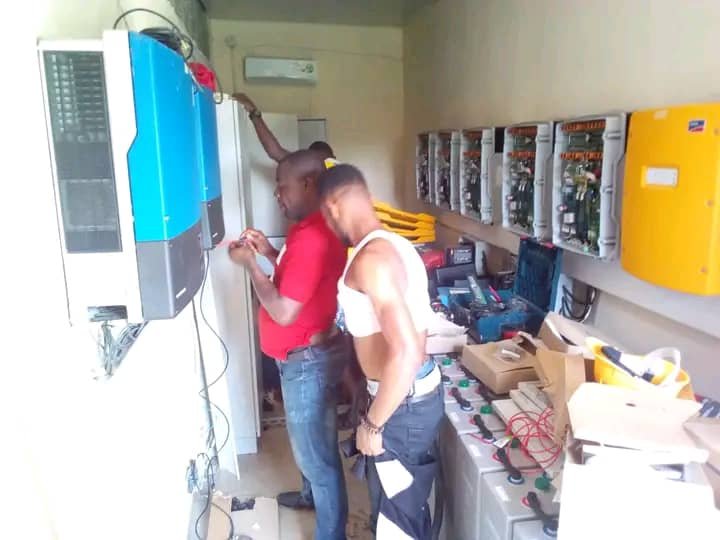
Fast forward to December 2017, a moment of joy arrived as NAYO TECHNOLOGY, a reputable Nigerian firm contracted by GIZ, commenced installation of the solar infrastructure. A few weeks later, in January 2018, the long-awaited day came—Umon Island and Bagani experienced electric light for the first time in their history. For many residents, it was a dream realised. Children could read at night, small businesses blossomed, and life in the community took on a new meaning. The entire island rejoiced, thankful to the German Government for partnering with Nigeria to uplift them from darkness into light.
The system was projected to last up to forty (40) years, bringing a lasting impact to these communities. But unfortunately, this promise began to unravel far sooner than expected. Just two years after its launch, by early 2020, the solar facility began to experience technical failures. Residents reported that the power would fluctuate, lights would go off without warning, and appliances could no longer operate reliably. Eventually, the entire system shut down completely, plunging Umon Island and Bagani back into the very darkness they had once escaped.
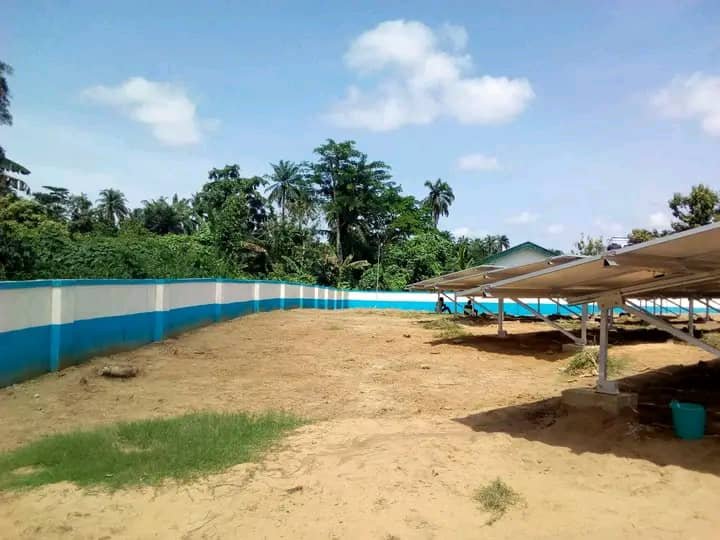
Since then, the communities have lived in a state of frustration and despair. The solar panels, which once gleamed under the tropical sun, now lie dormant—silent witnesses to broken promises. At the core of the failure appears to be a critical issue with the battery systems, which no longer hold power or function effectively. Without functional batteries to store energy from the solar panels, the system remains useless, and the initial investment becomes a shadow of wasted potential.
The people of Umon Island and Bagani are now calling on the government at all levels—local, state, and federal—as well as their elected representatives and development partners to urgently intervene. Their plea is simple: fix the batteries and restore the light. They are not asking for a new system, just a functional repair of what was once a beacon of hope.
This cry for help is not merely about comfort; it’s about opportunity, safety, health, and progress. A return to darkness has stalled children’s education, impeded local trade, and exposed the communities to avoidable risks. The solar project was more than an infrastructure—it was a lifeline, a promise of development.
It is crucial for the relevant authorities, particularly the Federal Ministry of Power, the Cross River State Government, and international partners like GIZ, to revisit Umon Island and assess what needs to be done. Reviving the solar facility will not only restore electricity but also rebuild the trust of these resilient communities who continue to believe in the power of collaboration and good governance.
Let the light shine again in Umon Island—not just through solar panels, but through the actions of those in power who listen, act, and bring lasting solutions to their people.